
The origin story of New Hampshire is a complex tapestry woven from the ambitions of English aristocrats, the desperation of commercial entrepreneurs, and the rugged geography of the New World. Unlike the Plymouth Colony or the Massachusetts Bay Colony, which were largely driven by religious fervor and the search for communal utopias, the settlement of New Hampshire was born out of a desire for profit, fishing rights, and land speculation. To understand who founded this state, one must look at the lives of two visionary men: John Mason and Ferdinando Gorges.
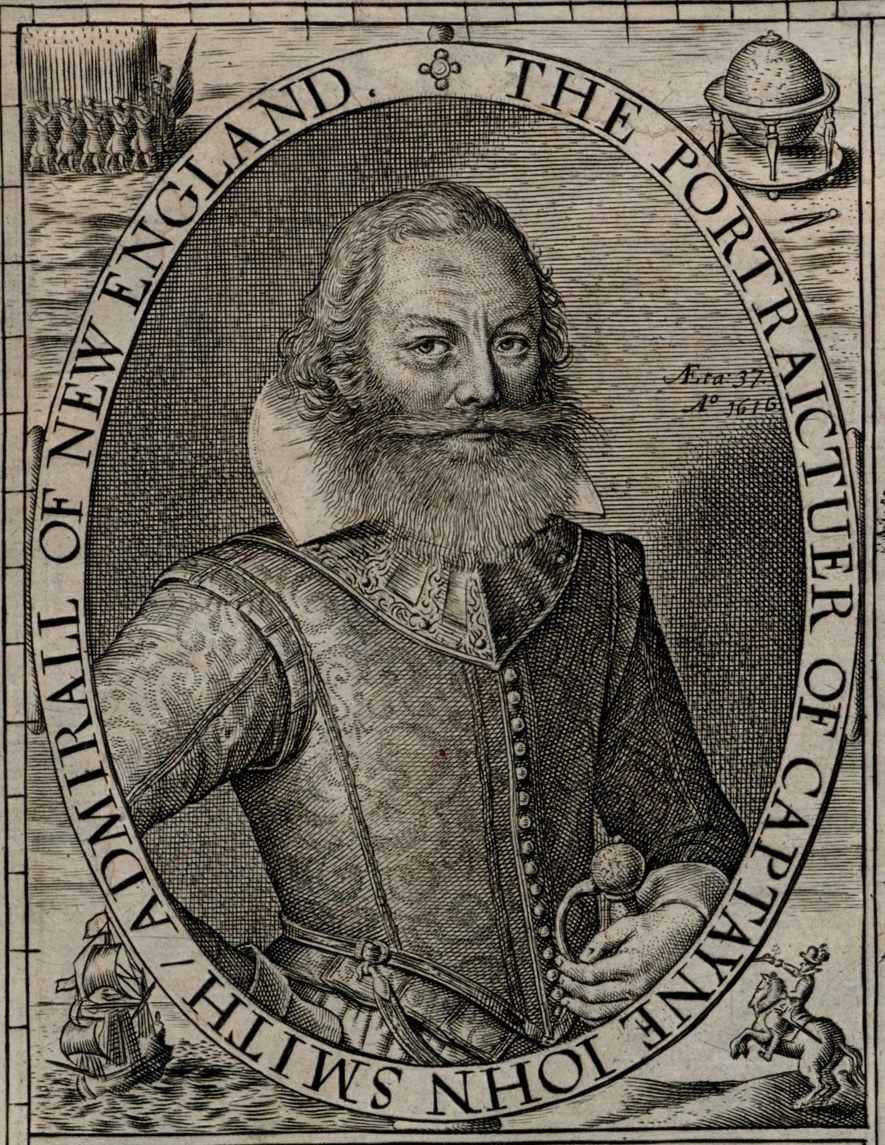
The Visionaries Behind the Grant
At the heart of the New Hampshire colonial experiment were two prominent members of the Council for New England. This organization was a joint-stock company chartered by King James I in 1620, designed to colonize and govern the northeastern coast of North America.
The Ambitions of Captain John Mason
Captain John Mason was a naval officer and a key figure in the colonization movement. He had served as the Governor of Newfoundland and possessed a keen interest in the potential riches of the northern Atlantic coast. Mason was the driving force behind the 1622 grant that initiated the settlement of the region. He envisioned a flourishing territory modeled after the county of Hampshire in England, from which he drew the name of his new land.
The Role of Sir Ferdinando Gorges
Often referred to as the “Father of English Colonization in North America,” Sir Ferdinando Gorges worked closely with Mason. While Gorges focused heavily on what would later become Maine, his partnership with Mason was essential in securing the land titles and political backing necessary to send settlers across the ocean. Together, they sought to create a system of proprietary governance, where they would act as landlords, collecting rents and tariffs from settlers in exchange for the protection of the Crown.
Establishing the First Settlements
The physical occupation of the territory did not happen overnight. In 1623, just one year after receiving their primary patent, Mason and Gorges sent a group of settlers to the mouth of the Piscataqua River. This area offered deep water, access to abundant fishing grounds, and potential timber resources that were highly valued in the European market.
Odiornes Point and Rye
The first group of pioneers landed at Odiornes Point, located in present-day Rye. This initial settlement was less a town and more a series of fishing outposts. The settlers built salt works and established infrastructure to dry and process fish, which was then shipped back to Europe. It was a harsh, unforgiving existence, and the early settlers were often at the mercy of the elements and the uncertain logistics of resupply ships.

The Foundation of Portsmouth and Dover
As the colony grew, settlements radiated outward along the river. By 1630, the community at Portsmouth began to take shape, eventually becoming one of the most important ports in the region. Simultaneously, settlements were established in Dover and Exeter. These early towns functioned as distinct entities, often operating independently because the proprietary leadership from England was frequently distracted by domestic political conflicts.
Challenges and the Shift in Authority
The path to statehood for New Hampshire was marred by legal battles and disputes over land ownership. Captain John Mason passed away in 1635 before he could see his dream of a prosperous, well-ordered colony fully realized. Following his death, his heirs struggled to maintain control over the territory.
Legal Turmoil and Land Disputes
Because the original land grants were often overlapping and vague, neighboring colonies—particularly the Massachusetts Bay Colony—sought to annex the New Hampshire territories. The settlers in these early towns were caught in the middle of these disputes. Some preferred the stability and protection provided by the more robust government in Boston, while others fought to retain the autonomy granted by the original patents of Mason and Gorges.
The Massachusetts Influence
For several decades, the political boundaries remained fluid. New Hampshire towns were, at various times, under the jurisdiction of Massachusetts. This period proved formative for the local culture, as it blended the mercantile, fishing-focused economy of the early founders with the stricter Puritan legal structures imported from the south. The transition from a collection of private fiefdoms to a royal province was slow, requiring numerous interventions from the British Crown.
A Legacy of Resilience and Independence
By the time New Hampshire was officially separated from Massachusetts and established as a distinct Royal Province in 1679, the original vision of the proprietary colony had evolved significantly. The region had developed its own unique character, marked by a sturdy independence and a resilience born from the struggle against both the wilderness and political uncertainty.
Cultural Identity of Early Settlers
The inhabitants of early New Hampshire were a hardy breed. They were not merely seeking religious freedom; they were working professionals—fishermen, shipwrights, and traders. This created a pragmatic, commercially oriented society. The White Mountains and the Atlantic Ocean provided the physical backdrop against which these early pioneers forged a community that would eventually become a vital part of the United States.
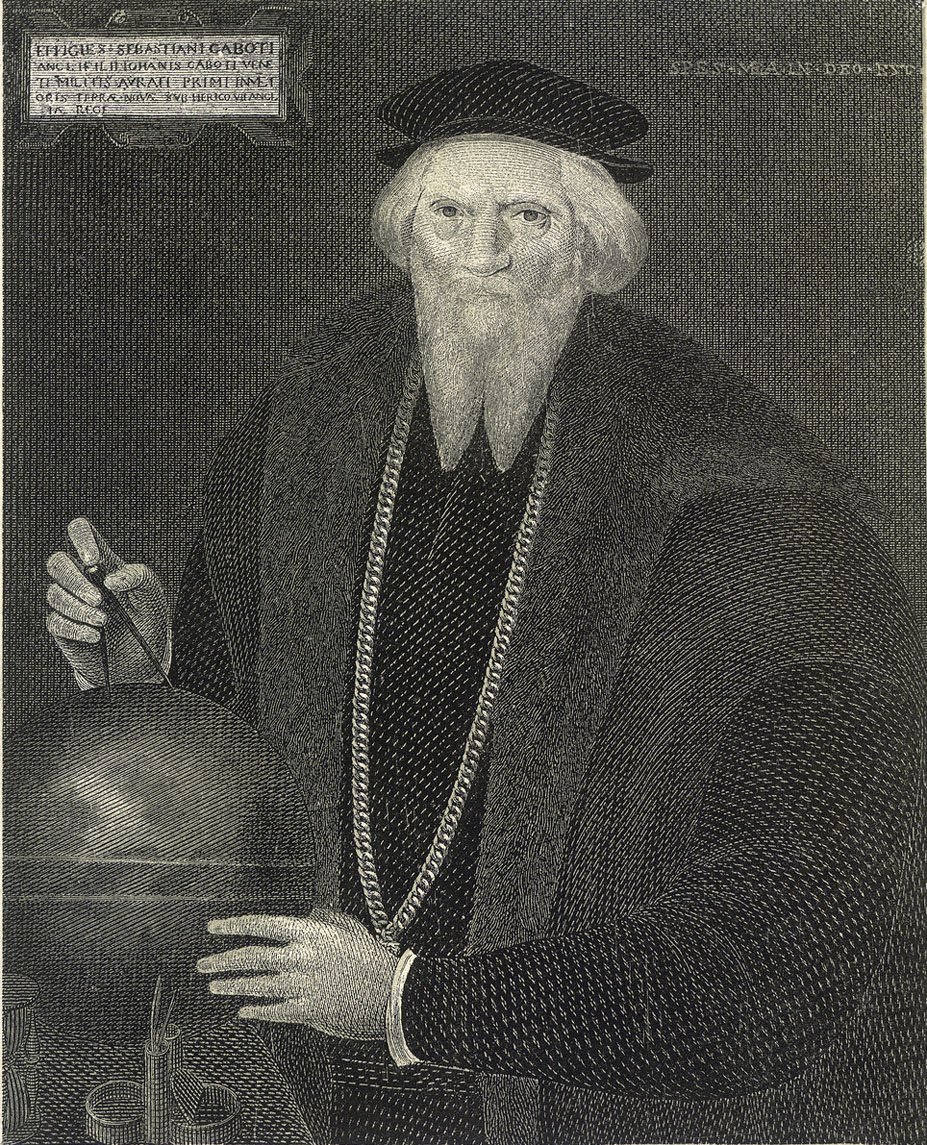
The Historical Significance of the Founders
Though Mason and Gorges never stepped foot on the land they claimed, their legacy is etched into the geography and legal history of the state. They provided the legal framework and the economic impetus that transformed a rugged, uncharted coastline into a functioning colonial outpost. When one walks the historic streets of Strawbery Banke in Portsmouth today, one is seeing the direct fruition of the investment made by these two men four centuries ago.
The founding of the New Hampshire colony remains a testament to the era of global exploration and the commercial spirit that drove the expansion of the British Empire. It stands as a reminder that the building of nations is rarely a singular event led by a single person, but a collective effort of visionaries, laborers, and the land itself, working through decades of challenge and change to establish a foundation that would endure through the ages.
LifeOutOfTheBox is a participant in the Amazon Services LLC Associates Program, an affiliate advertising program designed to provide a means for sites to earn advertising fees by advertising and linking to Amazon.com. Amazon, the Amazon logo, AmazonSupply, and the AmazonSupply logo are trademarks of Amazon.com, Inc. or its affiliates. As an Amazon Associate we earn affiliate commissions from qualifying purchases.