
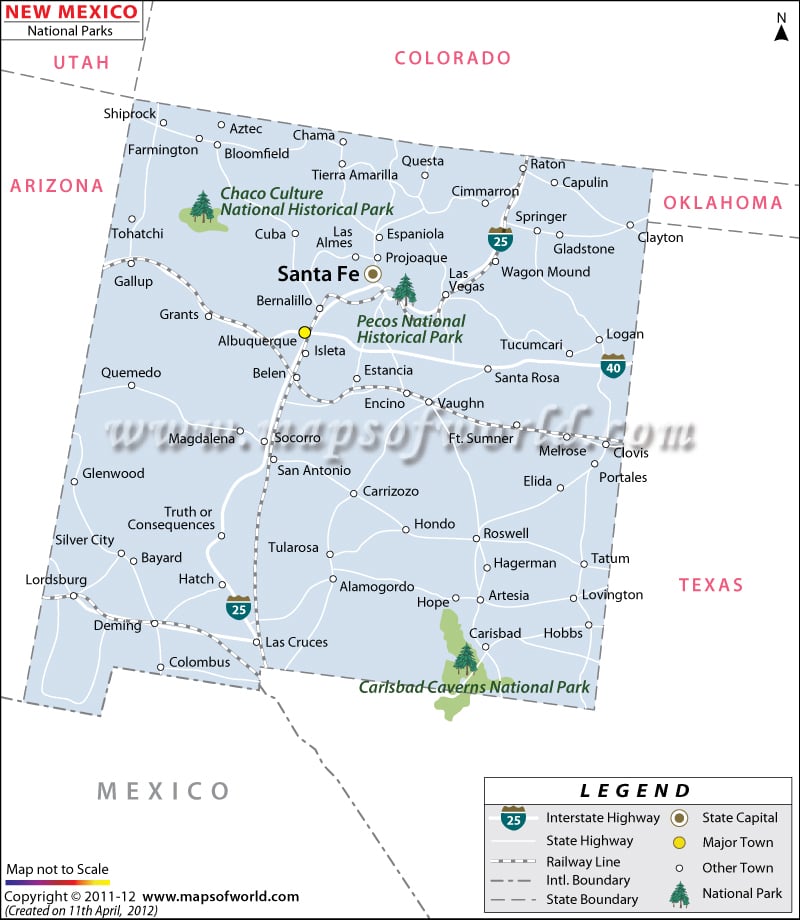
When travelers begin mapping out a road trip through the American Southwest, they are often struck by the rugged beauty and historical depth of New Mexico. While the state is famed for its high desert landscapes, vibrant art scenes, and rich indigenous heritage, many visitors find themselves puzzled by the federal designation of its protected lands. If you are wondering how many National Parks are in New Mexico, the answer is both simple and surprisingly nuanced: there is exactly one site officially designated as a National Park—Carlsbad Caverns National Park.
However, limiting your itinerary to a single site would mean missing out on the vast majority of what the National Park Service oversees within the state borders. New Mexico is home to a wealth of National Monuments, National Historical Parks, and National Preserves that rival the grandeur of any major park in the system.

The Crown Jewel: Carlsbad Caverns National Park
Located in the Chihuahuan Desert of southeastern New Mexico, Carlsbad Caverns National Park is the state’s sole representative in the “National Park” category. It is a site of immense geological significance, housing more than 119 known caves formed when sulfuric acid dissolved the surrounding limestone.
The Big Room Experience
The highlight of any visit is the Big Room, a massive natural limestone chamber that measures nearly 4,000 feet long. Visitors can access this subterranean wonder via an elevator or by walking the steep switchbacks of the Natural Entrance trail. Inside, the sheer scale of the stalactites and stalagmites—some reaching dozens of feet into the air—creates an otherworldly environment that feels more like a cathedral than a geological formation.
Bat Flight Programs
Between late spring and early autumn, the park hosts the famous Bat Flight Program. As dusk falls, hundreds of thousands of Brazilian Free-tailed Bats emerge from the cavern entrance in a swirling, spiraling cloud to hunt for insects. It is one of the most remarkable wildlife spectacles in the United States.
Exploring the National Monuments and Historical Sites
Beyond the sole National Park, the federal designation map of New Mexico is dotted with sites that carry immense historical and cultural weight. These areas are managed with the same level of care and preservation as the larger parks and often offer a more intimate experience.
White Sands National Park vs. White Sands National Monument
It is important to note the recent change in status for White Sands National Park. While colloquially referred to as a monument for decades, it was elevated to National Park status in 2019, making it technically the second National Park in the state. If you are counting strictly by official National Park Service title, the state currently holds two.
Located in the Tularosa Basin, these glistening white gypsum dunes cover 275 square miles. It is the largest gypsum dunefield in the world, and walking across the powdery, cool-to-the-touch sand at sunset is widely considered one of the most iconic experiences in North America.

Bandelier National Monument
Nestled in the Jemez Mountains near Los Alamos, Bandelier National Monument offers a profound look at the lives of the Ancestral Pueblo people. The site features extensive cliff dwellings, petroglyphs, and standing masonry walls. Visitors can climb wooden ladders to explore the cavates—small rooms carved directly into the soft volcanic tuff—providing a visceral connection to the past.
Petroglyph National Monument
Located on the western edge of Albuquerque, Petroglyph National Monument serves as an open-air museum of human expression. The site protects thousands of volcanic rocks etched with symbols, figures, and animals by both Native Americans and early Spanish settlers. Hiking through Boca Negra Canyon allows visitors to view these carvings in their original desert setting.
Preserving History: National Historical Parks
New Mexico also boasts several sites designated as National Historical Parks, which focus on the convergence of diverse cultures, trade, and conflict.
Pecos National Historical Park
Situated between Santa Fe and Las Vegas, Pecos National Historical Park tells the story of the Pecos Pueblo. This area was once a crossroads of civilizations, where Plains Indians and Puebloans met to trade. Later, it became a focal point of Spanish colonial expansion and, eventually, a key site during the Civil War, specifically the Battle of Glorieta Pass.
Chaco Culture National Historical Park
For those willing to travel deeper into the remote high desert, Chaco Culture National Historical Park is perhaps the most impressive archaeological site in the country. It was the hub of an advanced Ancestral Puebloan society between 850 and 1250 AD. The massive “Great Houses,” such as Pueblo Bonito, demonstrate sophisticated engineering and astronomical alignment that continue to baffle and impress researchers today.
Tips for Visiting New Mexico’s Protected Lands
When planning your trip to explore these sites, it is helpful to keep a few logistical considerations in mind. The geography of New Mexico is vast, and many of these parks are separated by several hours of driving.
Respecting the Environment and Culture
Most of these locations are sacred to Indigenous peoples. Whether you are walking through Chaco Canyon or visiting the Acoma Pueblo nearby, always respect posted signage, refrain from touching petroglyphs or historical walls, and pack out everything you pack in. The high desert environment is fragile; the biological soil crust, which looks like dirt, is a living organism that takes decades to form and is easily damaged by stepping off trails.
The Best Time to Visit
- Spring and Fall: These are the ideal seasons. Temperatures are moderate, making hiking through the dunes or climbing cliff ladders much more enjoyable.
- Summer: Be prepared for extreme heat. If you visit in July or August, aim to be on trails by sunrise and carry significantly more water than you think you will need.
- Winter: While the lower elevations remain accessible, higher elevation sites like Bandelier National Monument may experience snow and ice, necessitating careful planning and proper footwear.
Whether you are seeking the dark, quiet majesty of the Carlsbad Caverns or the sun-drenched history of Pecos, the federally protected lands of New Mexico offer a profound look at the intersection of nature and human history. While the official designation of “National Park” may technically apply to only two sites, the collection of monuments and historical parks ensures that the entire state functions as a massive, open-air park system waiting to be discovered. By prioritizing these landmarks on your itinerary, you ensure a deeper and more authentic experience of the American Southwest.
LifeOutOfTheBox is a participant in the Amazon Services LLC Associates Program, an affiliate advertising program designed to provide a means for sites to earn advertising fees by advertising and linking to Amazon.com. Amazon, the Amazon logo, AmazonSupply, and the AmazonSupply logo are trademarks of Amazon.com, Inc. or its affiliates. As an Amazon Associate we earn affiliate commissions from qualifying purchases.