
Understanding the population of Albuquerque is essential for anyone looking to visit, relocate to, or invest in this unique high-desert metropolis. As the most populous city in the state of New Mexico, it serves as the beating heart of the region’s economy, culture, and social life. While raw numbers are fascinating, they tell a much larger story about the urban sprawl, the influx of new residents, and the vibrant demographic tapestry that makes this city a compelling destination in the United States.
Current Population Dynamics and Statistical Overview
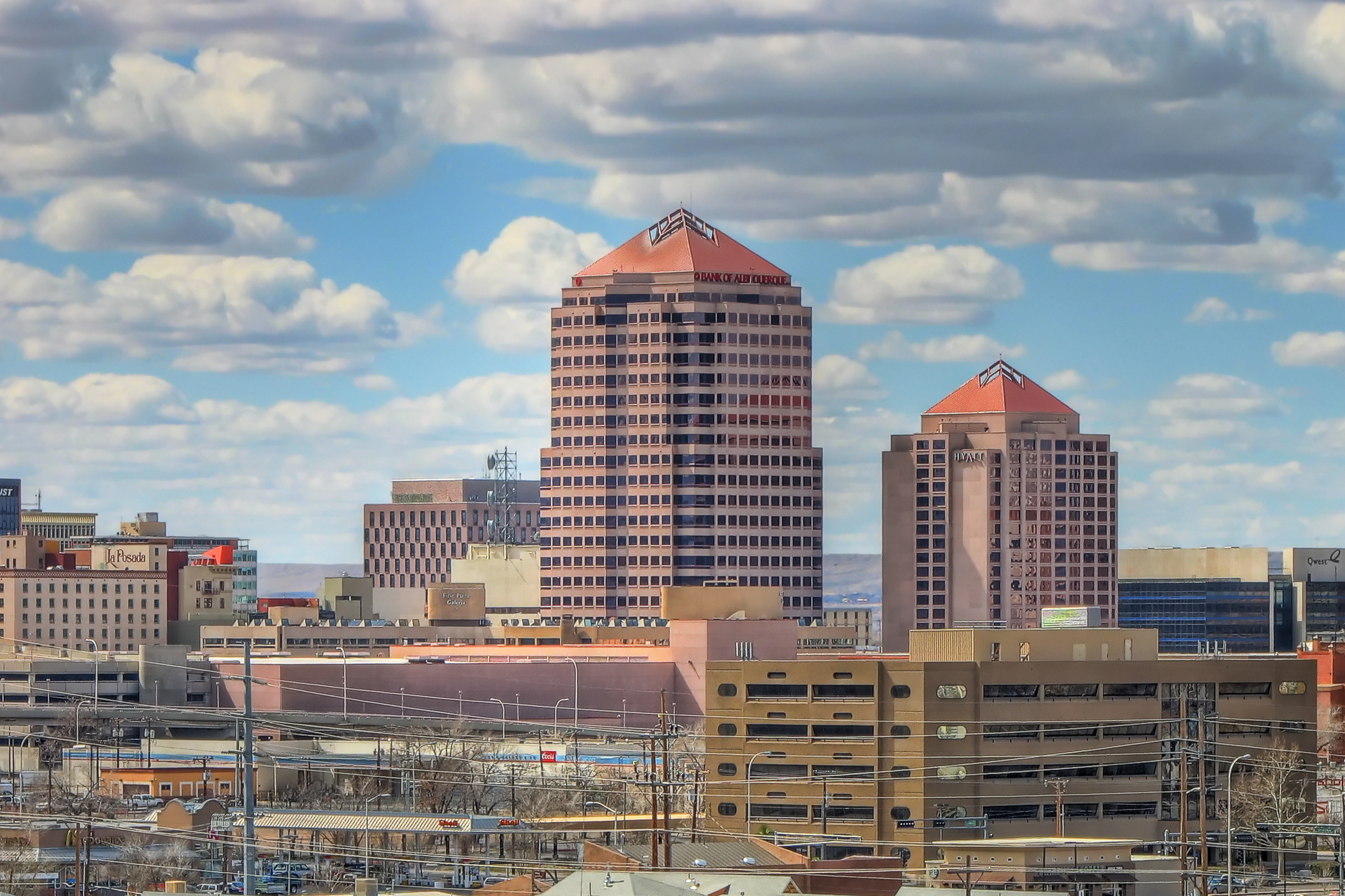
According to the most recent census data and subsequent annual estimates, the population of Albuquerque proper hovers around 560,000 residents. However, focusing solely on the city limits provides a limited view of the area’s footprint. The broader Albuquerque Metropolitan Area encompasses a significant portion of Bernalillo County, ballooning the total number of people living in the region to nearly 920,000.
The Growth Trajectory of a High-Desert Hub
Over the last decade, Albuquerque has experienced moderate, steady growth. Unlike the explosive, sometimes destabilizing growth seen in other sunbelt cities, the demographic shifts here have been calculated and sustainable. This stability is largely attributed to the presence of major research institutions and defense sectors, such as the Sandia National Laboratories and Kirtland Air Force Base. These entities act as anchors, drawing a steady stream of highly skilled professionals and their families into the Southwest.
Defining the Metropolitan Reach
The metropolitan area extends well beyond the city center, incorporating neighboring municipalities like Rio Rancho to the north and various unincorporated communities that dot the Rio Grande Valley. When travelers visit, they are often navigating an environment where the population density shifts dramatically from the urban core to the expansive, rugged outskirts. Understanding this distribution helps visitors appreciate why the city feels both like a sprawling suburban landscape and a historic, concentrated town center.
Demographic Diversity and Cultural Influence
Albuquerque is a melting pot of cultures, a characteristic that is deeply reflected in its population data. The demographic makeup is a vibrant mix of Hispanic, Native American, Anglo, and a growing international community. This diversity is not merely a statistical fact; it is the engine of the city’s identity.
A Historic Cultural Tapestry
The city boasts a significant Hispanic and Native American population, largely influenced by the historic Pueblo culture of the surrounding areas. The influence of the indigenous tribes, such as those associated with the Acoma Pueblo or Isleta Pueblo, is deeply embedded in the local traditions, art, and food. Residents take great pride in this multi-cultural heritage, which influences everything from neighborhood architectural styles to the local calendar of festivals and events.
Impact on Local Lifestyle and Tourism
For the visitor, this diversity means an incredibly rich landscape for exploration. The culinary scene, which features heavy influences from local New Mexican cuisine, is a testament to this demographic blend. When traveling through areas like Old Town Albuquerque, one can observe how the population maintains its connection to the past while embracing modern growth. The demographic stability ensures that traditional businesses and contemporary ventures coexist, offering a unique experience for those interested in the authentic culture of the American Southwest.
The Influence of Geography on Population Distribution
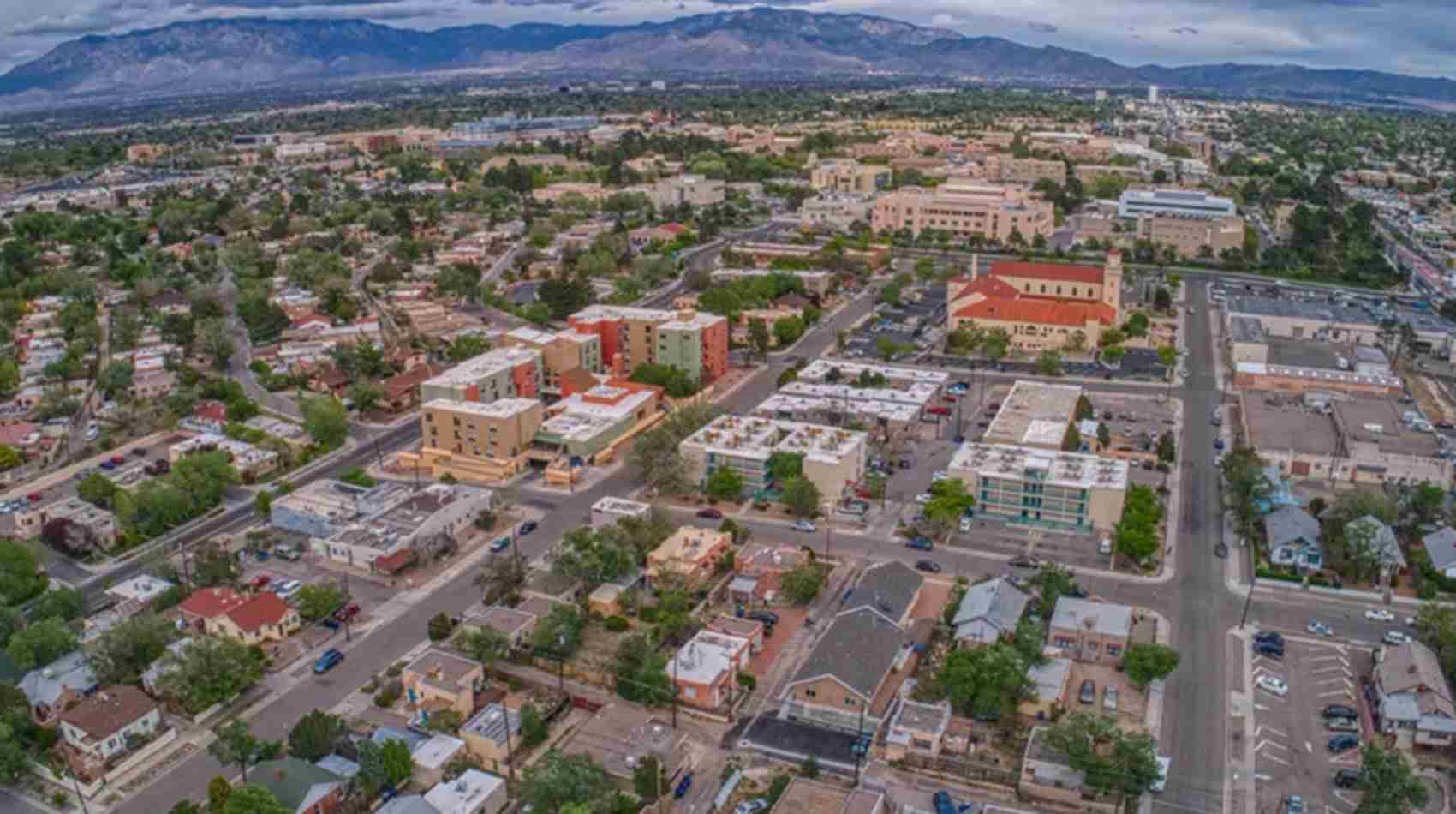
One cannot discuss the population of Albuquerque without addressing the physical constraints and opportunities presented by its geography. The city is wedged between the Sandia Mountains to the east and the expansive volcanic plains to the west.
Development and Land Usage
Because the geography dictates where people can live, the city has expanded significantly along a north-south axis. This has created distinct corridors of development. The density is highest in the central Downtown and Nob Hill districts, where walkability is a priority, and thins out as one approaches the foothills or the rural outskirts.
Outdoor Access and Quality of Life
The population growth is also linked to the quality of life the city offers. Because the population is relatively manageable compared to cities like Los Angeles or Denver, residents maintain excellent access to outdoor recreational spaces. Landmarks like the Petroglyph National Monument and the Rio Grande Nature Center State Park serve as massive lungs for the city. The fact that hundreds of thousands of people can live in a major city while remaining minutes away from wilderness is a primary driver for the region’s continued appeal to families and retirees alike.
Implications for Tourism and Future Prospects
As Albuquerque continues to evolve, the local population size plays a critical role in the tourism industry. The current infrastructure—including an international airport, diverse housing options, and a robust hospitality sector—is scaled to support a population of its size, which provides a seamless experience for visitors.
Scaling Tourism to Population
Because the city is not overwhelmed by the crushing density of larger coastal metropolises, tourism remains a boutique, personalized experience. Whether you are staying at a historic inn near the Plaza or a modern boutique hotel in the city center, the services are designed to accommodate the city’s moderate, consistent flow of people. This prevents the “over-tourism” sentiment often found in smaller, more fragile destinations.

Why the Numbers Matter for the Future
Looking ahead, the population of Albuquerque is projected to continue its upward trend. This growth necessitates careful planning, particularly regarding the preservation of the city’s unique cultural landmarks. Organizations and government bodies are focused on managing this expansion to ensure that the character of the city—its quiet, rugged charm—is not lost. For those who view Albuquerque as a destination for cultural immersion, the balance between a growing population and a preserved identity is what makes it a must-visit location.
In summary, with roughly half a million people in the city and nearly a million in the greater metropolitan area, Albuquerque stands as a significant urban center that retains the feel of a tight-knit community. It is a city that bridges the gap between historical significance and modern development, offering a vibrant, diverse, and accessible environment for anyone traveling through the heart of New Mexico. By understanding the scale and the composition of its residents, visitors gain a deeper appreciation for the rhythms, the challenges, and the incredible beauty of life in the high desert.
LifeOutOfTheBox is a participant in the Amazon Services LLC Associates Program, an affiliate advertising program designed to provide a means for sites to earn advertising fees by advertising and linking to Amazon.com. Amazon, the Amazon logo, AmazonSupply, and the AmazonSupply logo are trademarks of Amazon.com, Inc. or its affiliates. As an Amazon Associate we earn affiliate commissions from qualifying purchases.