
When planning a business venture or managing a professional property portfolio in the Land of Enchantment, understanding the local tax landscape is essential for long-term viability. For those involved in the travel and hospitality industry—whether you are operating a boutique hotel in Santa Fe or managing luxury vacation rentals near the Sandia Mountains—the New Mexico Gross Receipts Tax (GRT) is a fundamental financial component of your business model. Unlike a traditional sales tax, the GRT is a tax on the business for the privilege of doing business in the state.

Understanding the Fundamentals of New Mexico Gross Receipts Tax
The Gross Receipts Tax in New Mexico is unique because it is technically an excise tax imposed on the seller rather than the consumer. While many business owners choose to pass the cost of this tax on to their customers, the legal obligation to remit the payment rests solely on the business entity providing the service or product.
The Mechanism of the Tax
In the context of the hospitality and tourism industry, gross receipts are defined as the total amount of money received from selling property, leasing property, or performing services in the state. If you operate an establishment like the Hotel St. Francis or provide specialized tour services, every dollar of revenue—before any deductions or expenses—is subject to this tax.
State and Local Components
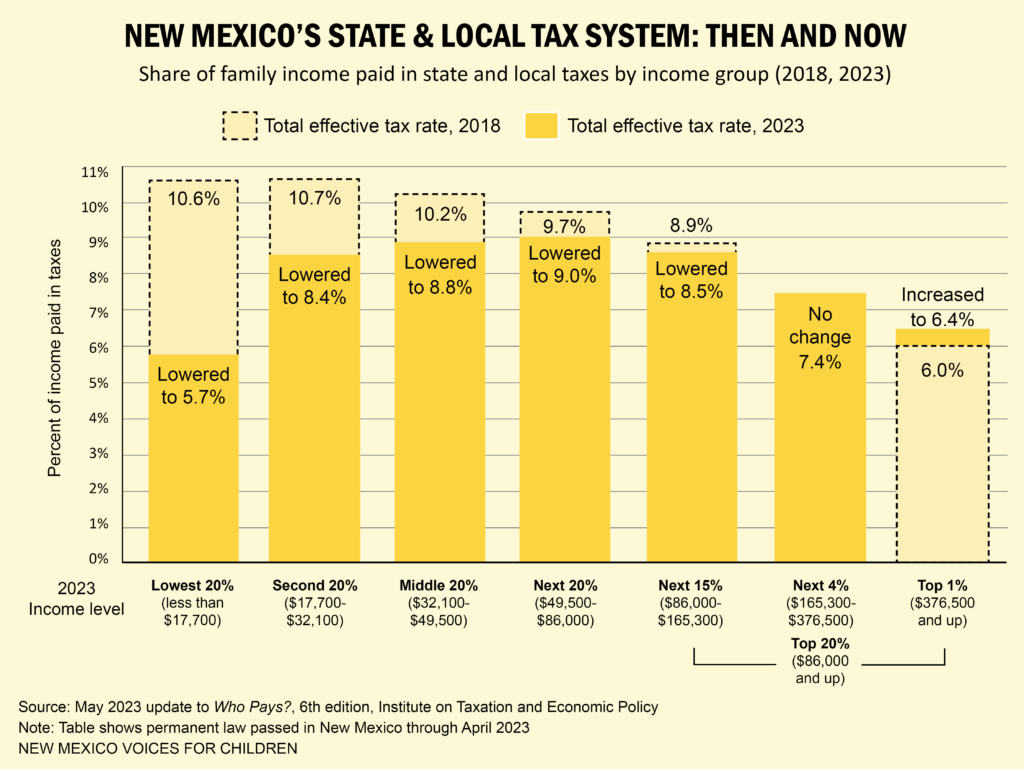
One of the most complex aspects for operators in cities like Albuquerque or Taos is that the tax rate is a composite of state, county, and municipal rates. Because every local jurisdiction has the authority to adjust its portion of the rate, you may find that a hotel located just outside city limits in Dona Ana County pays a different effective rate than a property located within the historic downtown district of Las Cruces.
How to Calculate Your GRT Liability
Calculating your liability requires a systematic approach to bookkeeping. As an entrepreneur in the tourism space, you must ensure that your accounting software accurately tracks the source of every transaction to determine which local rate applies.
Step 1: Identifying the Taxable Site
The first step in the calculation process is determining the “sourcing” of the service. For most service-based businesses, such as guided trekking excursions in the Gila National Forest, the tax is sourced to the location where the service is performed. For tangible goods or hotel room rentals, the tax is generally sourced to the location where the property is located.
Step 2: Determining the Correct Rate
Rates change frequently in New Mexico. To ensure compliance for the 2024 tax year, you must consult the New Mexico Taxation and Revenue Department rate tables. If you are operating a high-end resort like The Bishop’s Lodge, you should verify the rate for your specific location code, as even a shift in a few blocks can sometimes result in a different municipal surcharge.
Step 3: The Calculation Formula
The formula is relatively straightforward once you have the correct rate:
Total Gross Receipts × (State Rate + Local Rate) = Total GRT Due.
For example, if your total monthly revenue at a rental property in Silver City is $10,000 and the combined applicable rate is 8.5%, your calculation would be:
$10,000 × 0.085 = $850.
This $850 is the amount you are responsible for remitting to the state, regardless of whether you have collected this specific amount from your guests as a separate line item on their invoices.
Common Pitfalls and Deductions in Hospitality
Navigating the tax code often involves identifying what is taxable and what might be exempt. While most hospitality revenue is fully taxable, there are nuances that business owners must track to avoid overpayment.
Understanding Exemptions
Certain receipts may be exempt from the GRT, though these are rare in the tourism industry. For instance, some services provided to out-of-state entities might qualify for specific deductions, provided you maintain rigorous documentation. It is highly recommended to consult with a tax professional who specializes in New Mexico commerce, especially if you are managing complex assets like the La Fonda on the Plaza.
The Importance of Documentation
The New Mexico Taxation and Revenue Department emphasizes the need for Nontaxable Transaction Certificates (NTTCs) when applicable. If you are a hotelier purchasing cleaning supplies or linens from a wholesaler, you may be able to avoid paying GRT on these purchases by providing your supplier with the correct documentation. Failure to maintain these records can lead to audits and penalties, which can be devastating for small tourism operators.
Dealing with Periodic Rate Changes
Because municipalities often adjust their tax rates in January and July, your business must remain agile. If you operate an attraction like the Carlsbad Caverns National Park area, be sure that your point-of-sale systems are updated on the exact date of the change to avoid under-collecting or over-collecting from your patrons.
Compliance Strategies for 2024 and Beyond
As you look toward the future of your business in the Southwest, the best approach to tax management is proactive integration. By embedding tax compliance into your standard operational workflow, you reduce the risk of end-of-year stress.
Leveraging Technology
Modern accounting software allows for the automated application of sales taxes based on the geographic location of the sale. For those who manage multiple properties, such as a mix of urban lofts in Santa Fe and wilderness cabins near Angel Fire, this automation is critical. Ensure your software provider is updated with the latest New Mexico location codes to prevent human error.
Audits and Record Retention
New Mexico law allows the state to audit business records for several years back. Maintain a digital archive of all your monthly GRT filings, receipts, and proofs of payment. If you are operating a landmark property such as the El Monte Sagrado, the complexity of your financial reporting will likely necessitate an annual review by a certified public accountant.
Staying Informed
The regulatory environment in New Mexico is subject to legislative change. By subscribing to bulletins from the New Mexico Taxation and Revenue Department, you can receive direct updates on rate changes or new tax credits available for tourism-related businesses. Keeping your business compliant not only protects your assets but also contributes to the vital local economy that sustains the growth of the tourism sector throughout the state.
Whether you are hosting guests from abroad or welcoming locals for a weekend getaway, your adherence to the Gross Receipts Tax regulations reflects the professionalism of your establishment. By mastering these calculations, you ensure that your business remains a vibrant part of the local community, allowing you to focus on what matters most: providing unforgettable experiences in the beautiful state of New Mexico.
LifeOutOfTheBox is a participant in the Amazon Services LLC Associates Program, an affiliate advertising program designed to provide a means for sites to earn advertising fees by advertising and linking to Amazon.com. Amazon, the Amazon logo, AmazonSupply, and the AmazonSupply logo are trademarks of Amazon.com, Inc. or its affiliates. As an Amazon Associate we earn affiliate commissions from qualifying purchases.