
When travelers first plan a journey to New Mexico, they often conjure images of endless, scorching dunes and sun-bleached landscapes. It is a common misconception that the “Land of Enchantment” is merely a vast, monolithic desert. In reality, the geography of this southwestern state is a complex tapestry of high-altitude forests, alpine peaks, volcanic fields, and fertile river valleys. To label it simply as a desert is to ignore the rich ecological diversity that defines this captivating region.
The Myth of a Single Landscape
While it is true that a significant portion of New Mexico features arid conditions, the state’s climate is dictated largely by its dramatic elevation changes. The transition from low-lying basins to towering mountain ranges creates “life zones” that would feel more at home in Canada than in the stereotypical dry heat of the American Southwest.
The High Desert vs. True Desert
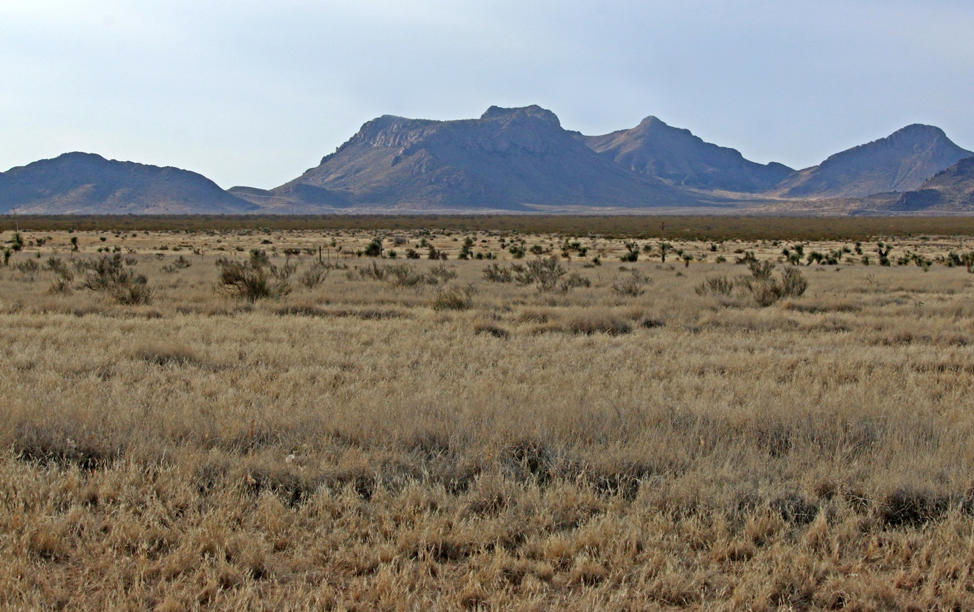
The majority of the state, particularly around Albuquerque and Santa Fe, is classified as high desert. Unlike the low-lying deserts of Arizona or California, these areas sit at elevations exceeding 5,000 feet. This altitude moderates temperatures significantly. The cool evening breezes and the presence of hardy vegetation, such as piñon pines and junipers, differentiate this terrain from a barren, sandy expanse.
Rainfall and Vegetation
New Mexico’s climate is also influenced by the North American Monsoon, which brings seasonal rains during the late summer months. These storms provide the necessary moisture to sustain a surprising variety of flora. From the prickly pear cacti found in the valleys to the wildflowers that carpet the Jemez Mountains in spring, the landscape is consistently vibrant rather than desolate.
Geographic Diversity Beyond the Sands
If one looks past the dusty hues of the scrubland, the topographic variety of New Mexico becomes undeniable. The state serves as a transition zone between the Great Plains and the Rocky Mountains, resulting in a landscape that shifts drastically over the course of a few hours of driving.
The Alpine Heights of the North
In the northern reaches, the terrain ascends into true alpine territory. Here, the landscape is defined by lush meadows, aspen groves, and snow-capped peaks. The Sangre de Cristo Mountains provide a rugged backdrop that feels worlds away from the desert flats. Visitors traveling near Taos will find themselves surrounded by dense forests that receive substantial winter snowfall, making the region a premier destination for skiing and mountaineering.
Volcanic Fields and Unique Formations
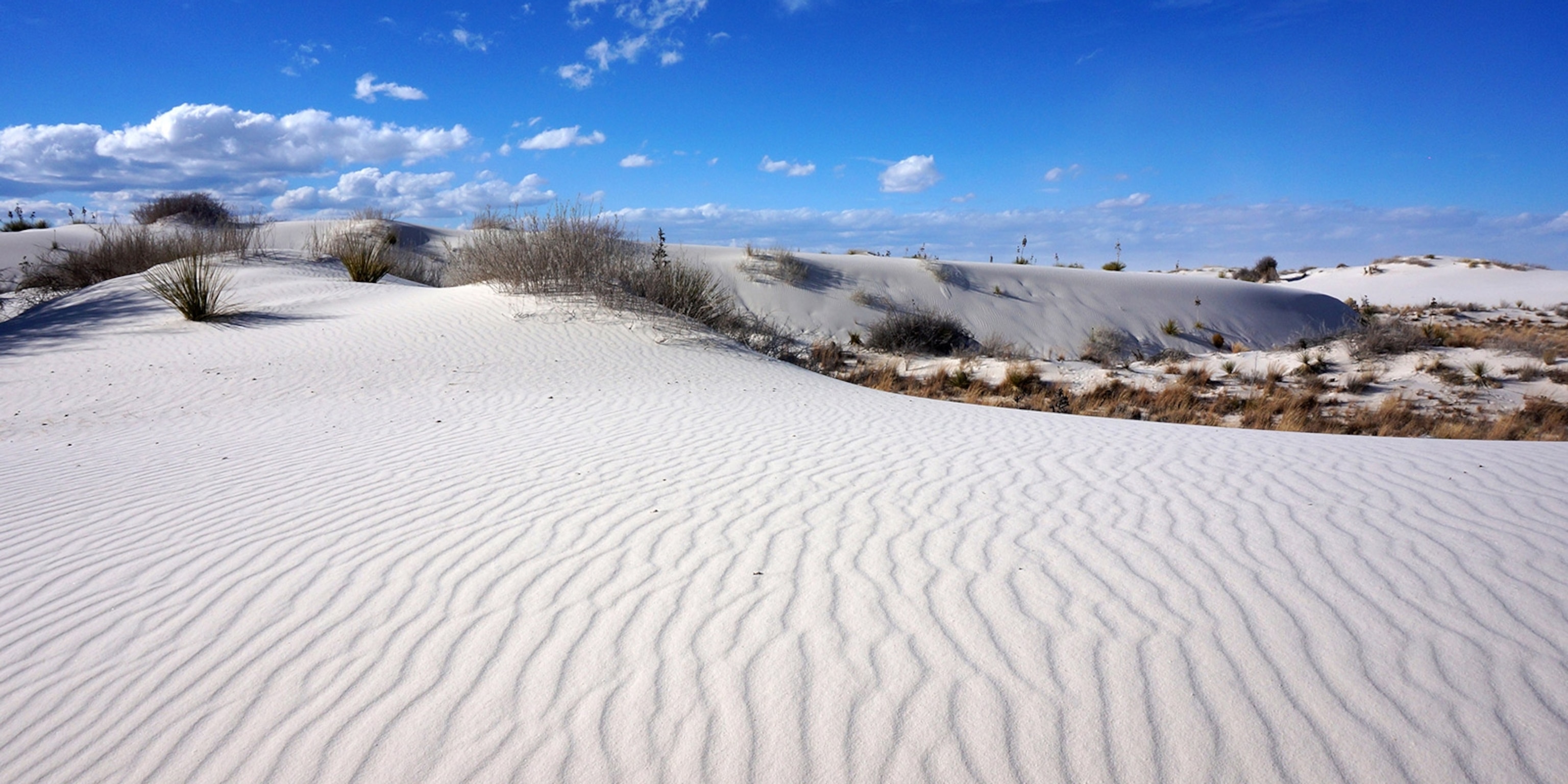
The geological history of the state has left behind a legacy of dramatic volcanic activity. Areas like Capulin Volcano National Monument offer a glimpse into the fiery past that shaped this geography. Meanwhile, White Sands National Park represents the most iconic “desert” experience, though even that is unique—the dunes are made of gypsum sand rather than quartz, giving the landscape its blindingly white, otherworldly appearance.
Understanding the Ecological Zones

The biodiversity of New Mexico is categorized into several distinct life zones, each supporting different species and plant life. This vertical diversity is what keeps the state from being classified as a single-biome desert.
The Lower Sonoran Zone
At the lowest elevations, typically found along the southern borders near Las Cruces, we encounter the desert scrub. This is the closest the state comes to a classic desert environment, featuring succulents, creosote bushes, and desert grasses.
The Transition to Woodlands and Forests
Moving up in elevation, one passes through the Grassland zone, followed by the Piñon-Juniper woodland. As the air cools, these give way to Ponderosa pine forests, common around Cloudcroft. Eventually, at the highest peaks near Wheeler Peak, one finds the spruce-fir forests and alpine tundra. This diversity means that a tourist could spend the morning exploring the arid, sun-baked canyons of the Bandelier National Monument and the afternoon cooling off in the high-altitude pine forests of the nearby peaks.
Why the “Desert” Label Persists
If the state is so ecologically diverse, why does the label “desert” remain so sticky? The answer lies in the visual impact of the landscape and the romanticization of the American West.
The Influence of Art and Cinema
The cinematic portrayal of New Mexico often focuses on the vast, open spaces and the dramatic, harsh lighting that highlights the red earth and jagged rock formations. Famous artists like Georgia O’Keeffe were drawn to the stark, arid beauty of the Ghost Ranch area, capturing a vision of the land that has become the definitive image for the rest of the world. By focusing on the sun-drenched, rocky aesthetic, popular media often overshadows the green, lush realities of the northern mountains and the river valleys.
The Importance of Water Management
The persistent focus on the desert climate is also a reflection of the state’s relationship with water. New Mexico is historically a water-conscious region. The reliance on the Rio Grande to sustain agriculture and urban centers reminds residents and visitors alike that they are living in a region where water is a precious, finite resource. This awareness creates a cultural identity that is deeply tied to the desert environment, even if the physical reality is more varied than a simple classification suggests.
A Destination for Every Season
The misconception of a monolithic desert landscape actually serves as a benefit for travelers. Because many people believe the state is only a dry, hot wilderness, they often overlook the seasonal shifts that make the region a year-round destination.
Autumnal Splendor
In the fall, the higher elevations of Santa Fe and Taos transform as the aspen trees turn brilliant shades of gold. This is a far cry from the stereotypical brown of a desert, offering a spectacle that rivals the foliage of the eastern states.
Winter Wonderlands
Contrary to the idea of eternal heat, New Mexico experiences genuine winter weather. The Ski Santa Fe area and Taos Ski Valley are testaments to the fact that the state is not just a place of heat, but a place of high-altitude cold.
Conclusion
To answer the question definitively: New Mexico is not just a desert. It is a high-altitude plateau, a mountain range sanctuary, a volcanic playground, and a river-fed valley system all at once. By embracing the full scope of its geography, travelers can experience a state that defies simple labels and offers a depth of natural beauty that few other places can match. Whether you are trekking through the gypsum sands or hiking the shadowed trails of the northern peaks, you are witnessing a landscape that is as complex as it is beautiful.
LifeOutOfTheBox is a participant in the Amazon Services LLC Associates Program, an affiliate advertising program designed to provide a means for sites to earn advertising fees by advertising and linking to Amazon.com. Amazon, the Amazon logo, AmazonSupply, and the AmazonSupply logo are trademarks of Amazon.com, Inc. or its affiliates. As an Amazon Associate we earn affiliate commissions from qualifying purchases.