
When planning a road trip through the rugged landscapes of the American Southwest, travelers often find themselves navigating a complex web of state-specific laws. For those exploring the Enchanted Land, understanding the legal nuances of interactions with law enforcement is a vital component of responsible tourism. Among the most common questions for visitors driving through New Mexico is whether they are required to provide identification during a routine traffic stop or a casual encounter with an officer. This inquiry touches upon the concept of “Stop and Identify” statutes, which vary significantly from state to state.

Understanding the Legal Landscape in the Southwest
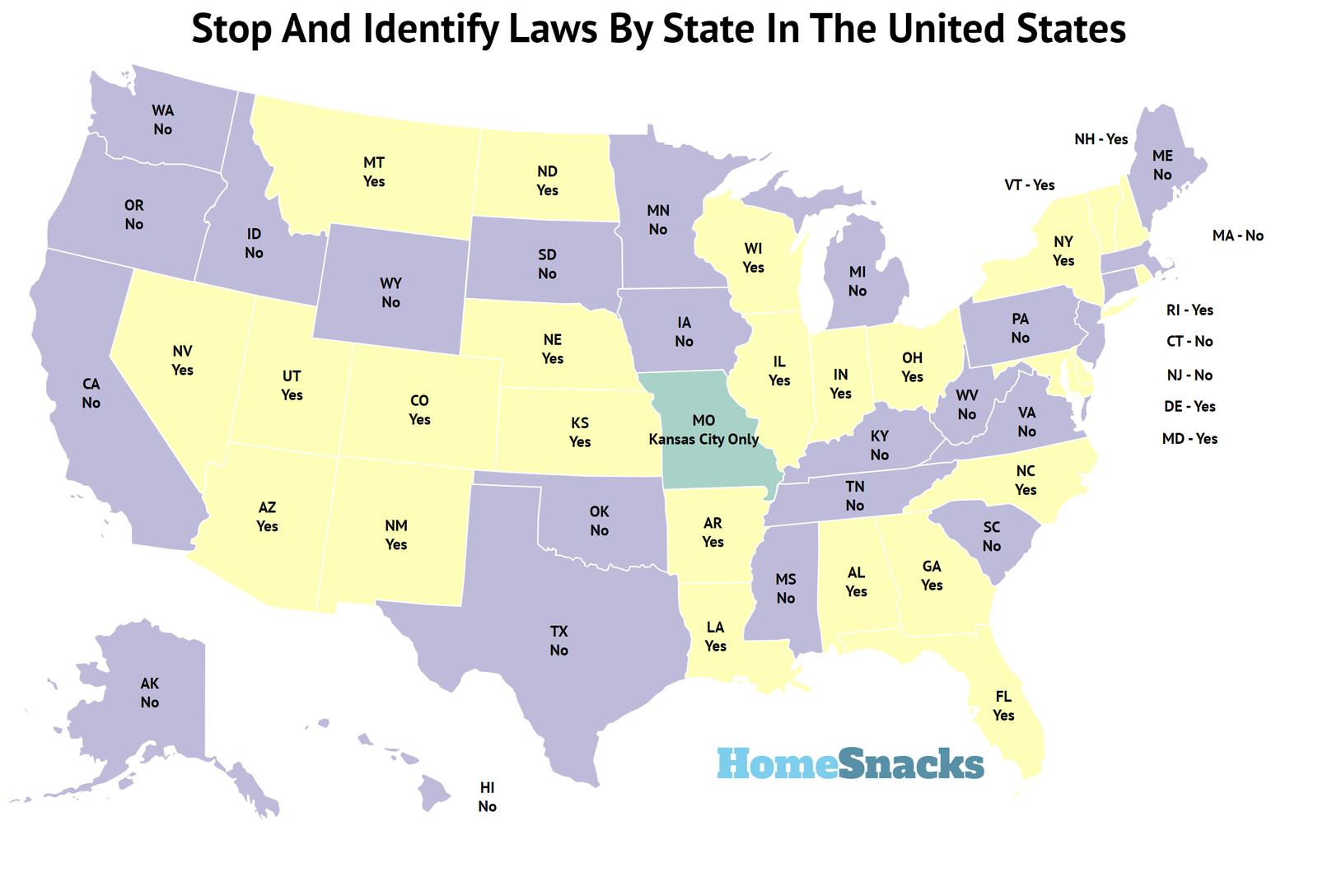
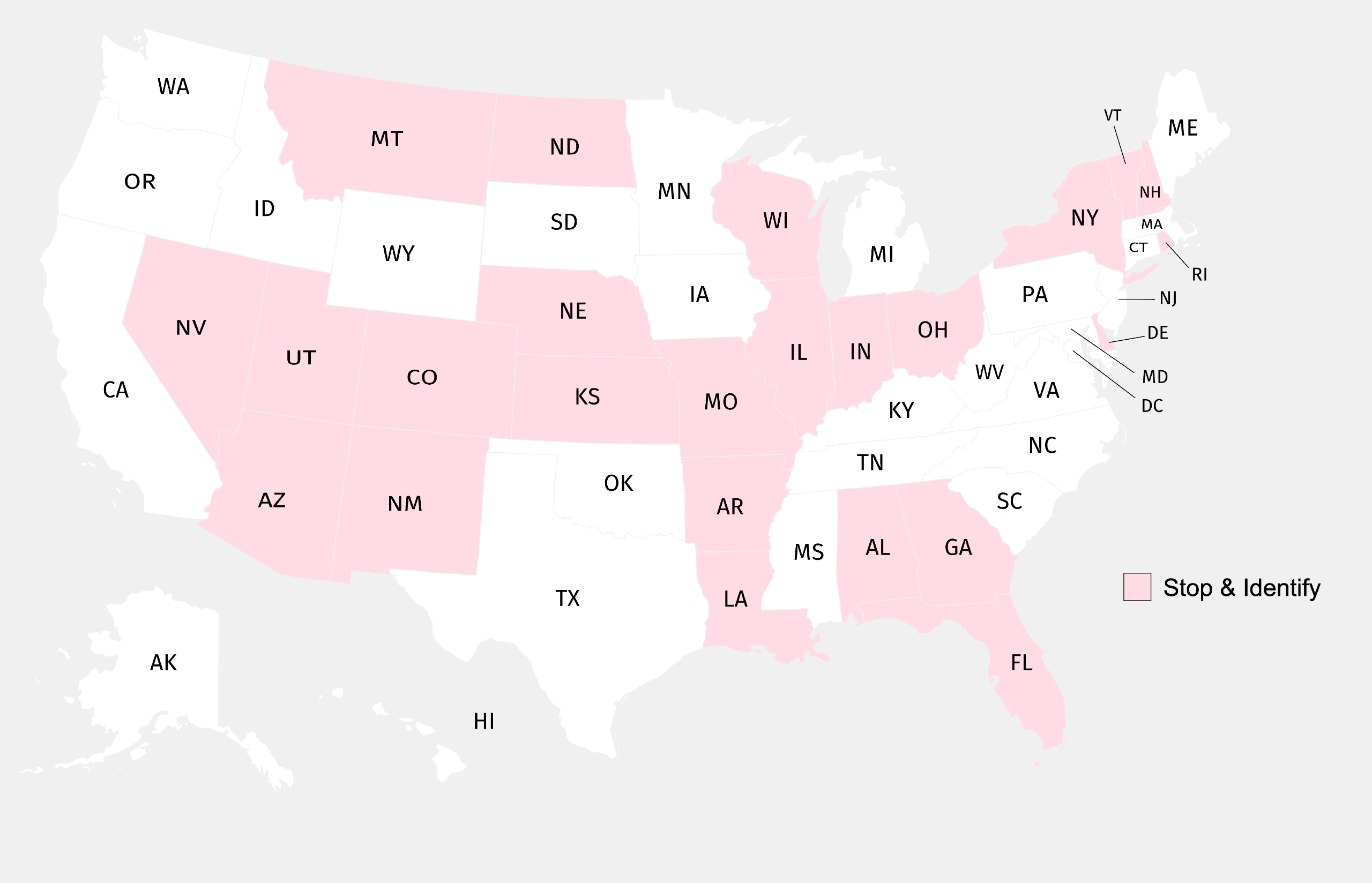
The term “Stop and Identify” refers to state statutes that authorize police officers to detain individuals and demand they disclose their identity if the officer has reasonable suspicion that a crime has been, is being, or is about to be committed. Unlike states with strict compliance laws, New Mexico takes a nuanced approach that centers heavily on the Fourth Amendment of the United States Constitution.
The Reasonable Suspicion Standard
In the context of New Mexico law, an officer generally cannot stop a pedestrian or a driver solely to demand identification without a legal basis. For a detention to be lawful, the officer must demonstrate “reasonable suspicion”—a specific, articulable belief that the person is involved in criminal activity. If you are walking down the street in Santa Fe or driving through Albuquerque, you are not subject to random identity checks simply for existing in a public space.
Traffic Stops vs. Pedestrian Encounters
The rules differ significantly depending on the nature of the encounter. When operating a motor vehicle, the law is far more stringent. If you are pulled over for a traffic violation, such as speeding on Interstate 25 or failing to yield, you are legally required under New Mexico state law to provide your driver’s license, registration, and proof of insurance upon request. This is not a matter of “Stop and Identify” in the criminal suspicion sense, but rather a regulatory requirement for the privilege of operating a vehicle on public roads.
Navigating Tourist Interactions and Local Regulations
For tourists visiting landmarks like White Sands National Park or the historic Taos Pueblo, the goal is to enjoy the culture and scenery without legal friction. Understanding your rights helps ensure that interactions with local authorities remain professional and concise.
What to Expect During Routine Checks
Most interactions between tourists and law enforcement in New Mexico occur during traffic stops near major attractions. Because the state is a popular destination for road trippers, local authorities are accustomed to visitors. If stopped, it is always recommended to remain calm, keep your hands visible, and provide the requested documentation promptly. There is no benefit to escalating an encounter, even if you are uncertain about the specific requirements of the stop.
Federal Land and Border Patrol
One aspect unique to New Mexico that often surprises tourists is the presence of the United States Border Patrol. Given the state’s proximity to the border with Mexico, travelers may encounter inland checkpoints while driving on major highways. These federal checkpoints operate under different legal frameworks than local police encounters. At these checkpoints, federal agents have broader authority to inquire about citizenship and immigration status. It is advisable to have your identification readily available when passing through these areas to facilitate a smooth and quick transit.
Best Practices for Travelers in New Mexico
Traveling across the diverse terrains of the American Southwest requires awareness and preparation. While New Mexico is generally a welcoming state for tourists, maintaining a respectful and informed approach to local laws ensures that your vacation remains focused on the beauty of places like Carlsbad Caverns National Park rather than administrative issues.
Document Readiness
Always ensure your identification is current and easily accessible. Whether you are checking into a luxury resort like the Bishop’s Lodge or renting a vehicle at the Albuquerque International Sunport, having your government-issued ID is a standard expectation. Carrying physical copies of your essential documents is far more practical than relying on digital versions, which may not be accepted in a legal or high-security context.
Know Your Rights, Respect the Process
Being informed about “Stop and Identify” laws does not mean being adversarial. If you believe your rights have been violated, the appropriate place to address that is in a court of law, not on the side of a highway. The professional tone of an interaction often dictates the outcome. If an officer asks for identification, it is usually because they are performing a duty related to public safety or a specific investigation.
Seeking Legal Clarity
If you find yourself in a situation where you feel your rights were ignored or unfairly challenged, document the facts—time, location, and the badge numbers of the officers involved—immediately after the incident. Legal experts specializing in New Mexico civil liberties are the best resource for interpreting the specifics of an encounter.
The Cultural Significance of Compliance
The spirit of New Mexico is rooted in its deep history and the blending of Native American, Hispanic, and Anglo cultures. This unique heritage fosters a community that values both personal freedom and collective safety. As a tourist, embracing the local atmosphere means respecting the systems in place that maintain order.
By focusing on the cultural richness found in cities like Las Cruces or the quiet solitude of Chaco Culture National Historical Park, visitors contribute to the positive tourism economy of the state. Responsible exploration involves understanding the environment you are entering, which includes a basic awareness of legal expectations.
In summary, while New Mexico does not grant law enforcement blanket power to demand ID from anyone they see, the reality of road travel implies an expectation of cooperation when operating a vehicle. By keeping your documents in order and approaching law enforcement interactions with courtesy and clarity, you can navigate the state with confidence. Whether you are traversing the high deserts or visiting the vibrant markets of Old Town Albuquerque, your focus should remain on the breathtaking experiences that make this region a premier destination for travelers from around the world. Preparedness is the hallmark of a seasoned traveler, and in the Southwest, it is the best tool you can have for a seamless journey through the heart of the high desert.
LifeOutOfTheBox is a participant in the Amazon Services LLC Associates Program, an affiliate advertising program designed to provide a means for sites to earn advertising fees by advertising and linking to Amazon.com. Amazon, the Amazon logo, AmazonSupply, and the AmazonSupply logo are trademarks of Amazon.com, Inc. or its affiliates. As an Amazon Associate we earn affiliate commissions from qualifying purchases.