
New Mexico is a land defined by its expansive horizons, ancient geological history, and a climate that oscillates between high-desert warmth and mountain cool. For travelers planning an excursion to the Land of Enchantment, safety and environmental awareness are paramount. Whether you are aiming to visit the historic adobe structures of Santa Fe or the subterranean wonders of Carlsbad Caverns National Park, understanding how to navigate the region’s fire landscape is essential for a seamless and responsible travel experience.
Navigating Fire Seasons and Environmental Safety
The southwestern United States, and New Mexico in particular, operates on a unique climatic cycle. For the uninitiated traveler, the term “fire season” often causes undue alarm, leading to cancelled trips and missed opportunities. However, being informed allows you to distinguish between localized managed burns and large-scale wildfire events that might disrupt your travel itinerary.

Understanding Seasonal Patterns
In the high altitudes of Taos and the rugged terrain of the Gila National Forest, the transition from spring to summer brings a critical drying period. Typically, May and June are the months when the risk of wildfire is statistically highest. During this window, vegetation dries out, and low humidity creates a tinderbox effect. However, once the summer monsoons arrive—usually in July—the increased humidity and periodic rainfall significantly dampen the landscape, offering a reprieve for travelers and locals alike.
Resources for Real-Time Monitoring
Before heading out to explore the Sandia Mountains or the high desert trails surrounding Albuquerque, it is standard practice to consult official fire mapping tools. Staying updated on air quality and active fire perimeters ensures that your itinerary remains flexible. Travelers should focus on official governmental resources provided by the U.S. Forest Service or the state’s forestry division. By checking these sources, you can avoid areas currently under management and focus your attention on regions that are open and welcoming to tourism.
Traveling Responsibly in High-Risk Landscapes
The charm of New Mexico lies in its raw, unfiltered beauty. From the white gypsum dunes of White Sands National Park to the pine-scented air of Cloudcroft, the landscape is fragile. Responsible tourism is the cornerstone of keeping these areas pristine for future generations.
The Ethics of Outdoor Recreation
When you are hiking the trails around Los Alamos or camping under the vast, starlit skies near Chaco Culture National Historical Park, your behavior directly impacts fire safety. This means strictly adhering to fire bans, which are often implemented by local municipalities during dry stretches.
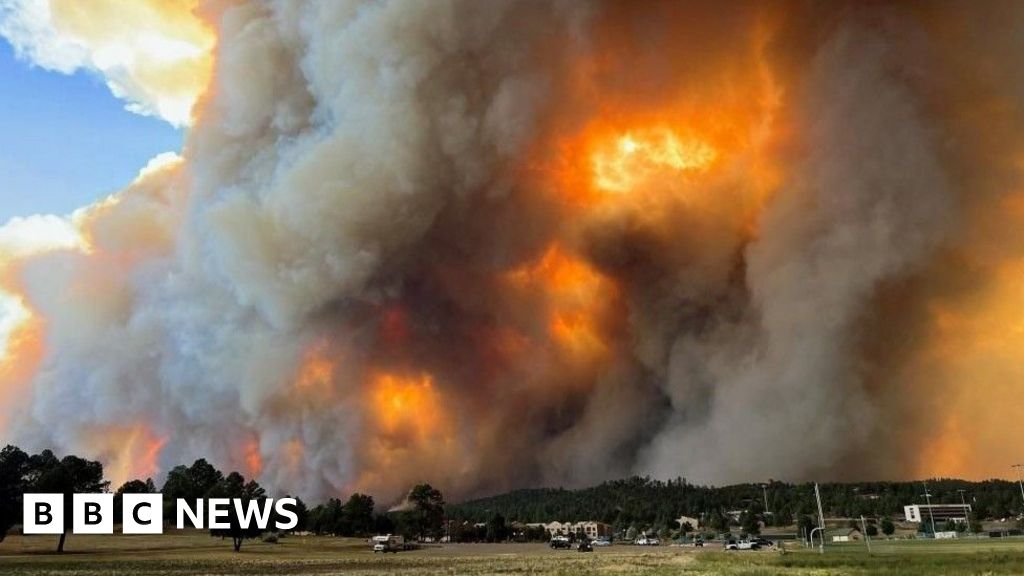
- Respect Fire Restrictions: If a “Stage 1” or “Stage 2” fire restriction is in place, this means no campfires, and often no smoking or use of spark-emitting machinery in wooded areas.
- Pack In, Pack Out: Debris can act as fuel. Keeping trails clean prevents the accidental buildup of refuse that could exacerbate a fire situation.
- Vehicle Awareness: Avoid parking vehicles on dry grass. The heat from catalytic converters is a surprisingly common ignition source for wildfires in rural New Mexico.
Supporting Local Economies During Closures
If a specific region is affected by fire, the most supportive thing a tourist can do is pivot rather than cancel the entire trip. If Ruidoso or other mountain communities are navigating fire impacts, neighboring regions like Las Cruces or the cultural hubs in the northern part of the state often remain open. By adjusting your route, you continue to support the local hospitality industry, which thrives on visitors who remain curious and adaptable.
Exploring Beyond the Headlines
It is a common misconception that a fire in one part of a state shuts down the entire state. New Mexico is the fifth-largest state in the United States, encompassing over 121,000 square miles. The distance between the volcanic peaks of Capulin Volcano National Monument and the border of Texas or Arizona is vast.
Diverse Microclimates and Topography
The fire risk in the desert shrublands of the south is fundamentally different from the fire dynamics in the alpine forests of the Sangre de Cristo Mountains. Travelers should look at the state as a collection of unique micro-environments. If you hear reports of smoke in the northern ranges, you might find clear, brilliant blue skies in the southern basin. This geographical diversity is your best asset as a traveler; there is almost always a part of New Mexico that is enjoying perfect weather, whether it is for an architectural tour of Mission San Francisco de Asis or a culinary trek through Mesilla.
Cultural Resilience and Hospitality
The people of New Mexico are accustomed to the realities of the land. Whether it is the legacy of the Pueblo people or the influence of Spanish colonial history, the local culture is one of endurance and welcoming hospitality. When you arrive, you will find that locals are eager to share the best routes, the quietest trails, and the most vibrant local festivals, regardless of the seasonal fire reports. Their guidance is often the most accurate reflection of current conditions.

Preparing for Your Trip
To ensure your journey to New Mexico is both enjoyable and safe, consider the following preparation strategies:
- Flexibility is Key: Book accommodations that offer flexible cancellation policies. This allows you to shift your plans if weather patterns change.
- Stay Informed: Follow local news outlets and the social media pages of the national parks you intend to visit. They provide the most immediate updates regarding trail closures or park entry restrictions.
- Respect the Land: Always carry plenty of water and prioritize Leave No Trace principles. A well-prepared traveler is less likely to require emergency services, which is critical during periods when local resources might be strained.
- Embrace the Journey: Even if you cannot visit a specific landmark due to local safety concerns, use it as an opportunity to discover lesser-known treasures. The state is filled with hidden gems, from the eccentric art of Meow Wolf to the historic charm of Old Town Albuquerque, that are entirely unaffected by seasonal fire risks.
The essence of travel is discovery, and in New Mexico, that discovery is amplified by the sheer scale and variety of the landscape. By staying informed, remaining adaptable, and practicing responsible tourism, you ensure that your visit contributes positively to the state, allowing you to experience the breathtaking beauty of the American Southwest safely and sustainably. The “Land of Enchantment” remains one of the most compelling destinations in the world, waiting for those who approach it with respect and a sense of adventure.
LifeOutOfTheBox is a participant in the Amazon Services LLC Associates Program, an affiliate advertising program designed to provide a means for sites to earn advertising fees by advertising and linking to Amazon.com. Amazon, the Amazon logo, AmazonSupply, and the AmazonSupply logo are trademarks of Amazon.com, Inc. or its affiliates. As an Amazon Associate we earn affiliate commissions from qualifying purchases.