
When traversing the high deserts and rugged mountain ranges of the American Southwest, one becomes acutely aware of the deep connection between the land and the wildlife that calls it home. For those exploring New Mexico, the state is more than just a collection of red-rock vistas and adobe architecture; it is a living ecosystem defined by specific symbols that represent the spirit of the region. Among these symbols, the state animal holds a position of distinction, embodying the resilience and untamed beauty of the high desert.
The official state animal of New Mexico is the American black bear. While many travelers might associate the state primarily with the Roadrunner—which serves as the official state bird—the black bear stands as the quintessential representative of the state’s majestic wilderness, particularly within the forested highlands that define the northern and central landscapes.
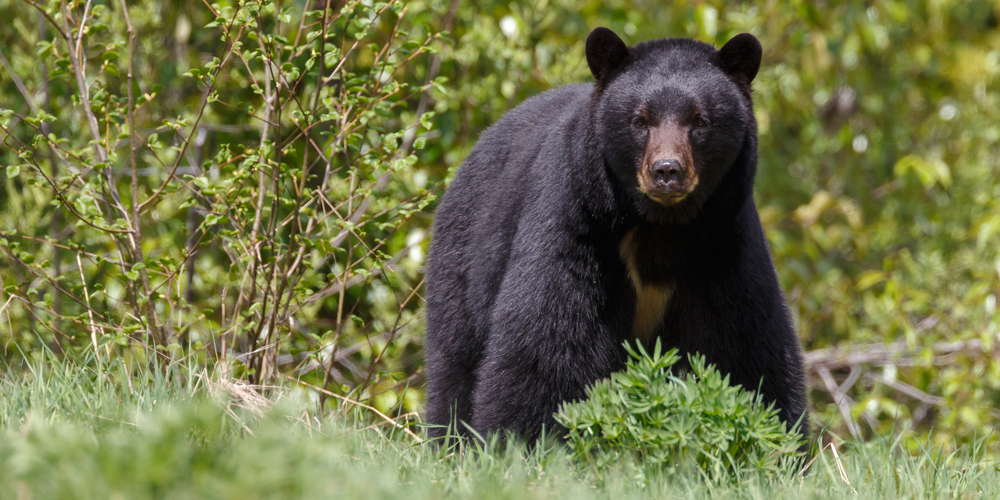
The American Black Bear: An Icon of the Wilderness
The designation of the black bear as the state animal is rooted in a desire to celebrate the diverse ecology of the region. Unlike the sprawling urban centers that characterize other parts of the country, New Mexico maintains vast tracts of protected wild lands, such as the Santa Fe National Forest and the Gila National Forest. These areas provide the perfect habitat for the black bear to thrive, hidden beneath dense canopies of ponderosa pine and aspen.
Biological Resilience in the High Desert
The black bear (Ursus americanus) is a remarkably adaptable creature. In New Mexico, they are often found navigating the rugged terrain of the Sangre de Cristo Mountains, where the climate can shift rapidly from arid heat to snowy mountain chills. Their ability to forage, hibernate, and navigate these vertical landscapes mirrors the endurance required to survive in the “Land of Enchantment.”
Observing these animals in the wild requires patience and an understanding of their natural rhythm. They are generally elusive, preferring to avoid human contact, which makes a glimpse of one in the Manzano Mountains or near the Jemez Springs a memorable event for any wildlife enthusiast.
Cultural Significance and Conservation
The choice of the black bear as a state icon serves as a constant reminder of the importance of conservation. As New Mexico continues to attract visitors to its national monuments and parks, the pressure on natural habitats increases. The black bear represents the necessity of preserving the ecological integrity of places like the Bosque del Apache National Wildlife Refuge, ensuring that these creatures have protected corridors through which to roam.

Exploring the Natural Habitats of the State Animal
For travelers eager to connect with the natural heritage of the state, visiting the regions where the black bear resides is a primary activity. The geography of New Mexico is characterized by immense elevation changes, which create “sky islands”—mountain ranges separated by valleys that act as isolated ecosystems for wildlife.
The Northern Highlands
The northern part of the state, particularly around Taos and Red River, provides some of the best opportunities to see the dense woodlands that black bears prefer. These areas, often draped in snow during the winter, become vibrant, lush green landscapes in the summer, offering bears an abundance of berries, nuts, and insects to feed on before the onset of autumn. Hikers trekking the trails near the Wheeler Peak Wilderness are often reminded by signage and local guides to remain “bear aware,” a practice that respects the animal’s space and keeps the environment safe for both humans and bears.
The Southern Ranges
While often associated with the northern forests, black bear populations also inhabit the isolated mountain ranges of the south. The Cloudcroft area, located in the Sacramento Mountains, offers a unique microclimate that allows for dense forests at higher elevations, providing a surprising home for bears even in the southern stretches of the state. It is a testament to the animal’s adaptability that they can exist in such a diverse array of environments across New Mexico.
Responsible Wildlife Tourism
When traveling to New Mexico with the intent of appreciating its natural wonders, wildlife etiquette is paramount. The presence of the state animal in these regions is a privilege, not a guarantee, and visitors play a crucial role in maintaining these populations.
Guidelines for Wildlife Observation
- Keep a Safe Distance: Use binoculars or telephoto lenses rather than attempting to approach the animal. A bear that is comfortable around humans is a bear in danger of being relocated or euthanized.
- Manage Food Waste: Whether camping near Chaco Culture National Historical Park or visiting more remote areas, always store food in bear-resistant containers.
- Respect Habitat Integrity: Stay on marked trails to prevent the degradation of the delicate forest floor, which serves as a primary source of sustenance for the black bear.
- Support Local Conservation: Many state-run initiatives depend on the funding provided by park entrance fees and tourism revenue. Visiting National Parks and State Parks directly contributes to the maintenance of the habitats these animals require.

Beyond the Black Bear: A Rich Tapestry of Wildlife
While the black bear claims the title of official state animal, the biodiversity of New Mexico is vast. From the Sonoran Desert landscapes of the southwest to the alpine peaks of the north, the state is a paradise for those interested in natural history. Exploring the Carlsbad Caverns National Park reveals a different side of the state’s wildlife, focusing on subterranean habitats and the famous bat colonies that emerge at dusk. Similarly, the White Sands National Park offers a stark, surreal environment where specialized species have evolved to survive in gypsum-rich sands.
The American black bear remains the enduring symbol of New Mexico, reflecting the state’s rugged terrain and untamed spirit. By understanding and respecting the habitat of this majestic creature, visitors can experience the “Land of Enchantment” in a way that is both meaningful and sustainable. Whether one is driving through the Enchanted Circle Scenic Byway or hiking the hidden trails near Santa Fe, the presence of the wild is always felt, serving as a reminder that the true character of this state lies in its deep and enduring connection to the natural world.
LifeOutOfTheBox is a participant in the Amazon Services LLC Associates Program, an affiliate advertising program designed to provide a means for sites to earn advertising fees by advertising and linking to Amazon.com. Amazon, the Amazon logo, AmazonSupply, and the AmazonSupply logo are trademarks of Amazon.com, Inc. or its affiliates. As an Amazon Associate we earn affiliate commissions from qualifying purchases.