
Understanding the climate in New Mexico is the first step toward planning a successful journey through the “Land of Enchantment.” Because of the state’s high altitude and diverse topography—ranging from arid desert basins to towering alpine peaks—the temperature fluctuates significantly depending on where you are and when you choose to visit. Whether you are planning a desert retreat or a mountain adventure, knowing what to expect from the mercury is essential for your itinerary.
Understanding the High-Desert Climate and Seasonal Shifts
The climate of New Mexico is generally categorized as semi-arid or arid, which means visitors should prepare for dramatic temperature swings. A hallmark of the region is the “diurnal temperature variation,” where daytime heat gives way to brisk, cool nights even in the middle of summer.
The Dynamics of Elevation
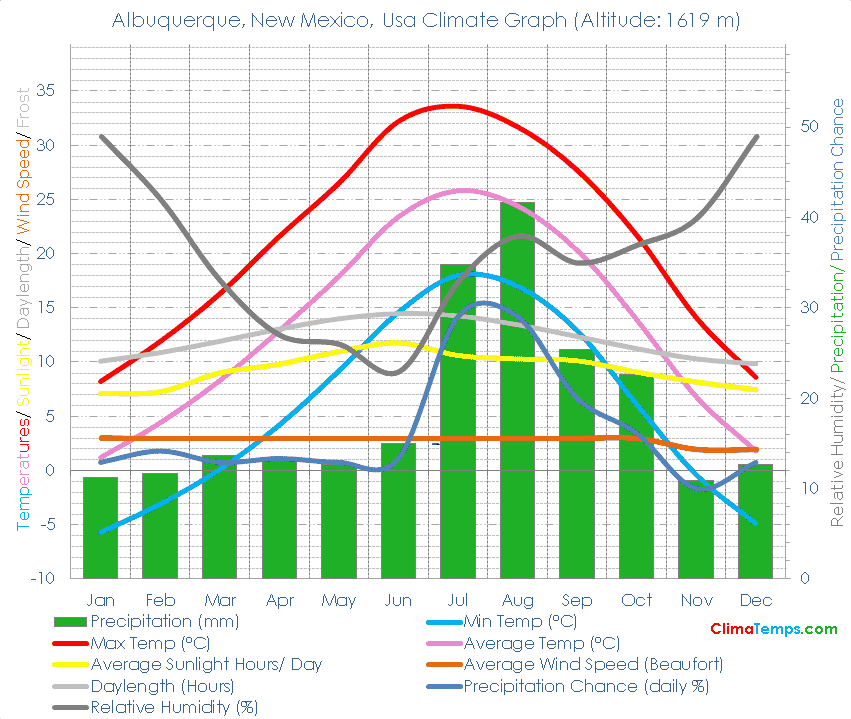
In regions like Santa Fe, which sits at roughly 7,000 feet above sea level, the air is thin and crisp. Even when the sun is blazing at midday, the high altitude keeps temperatures significantly lower than in the lower-lying desert valleys. Conversely, in cities like Las Cruces or Albuquerque, summer temperatures can climb well into the 90s Fahrenheit, while the nighttime temperatures offer a welcome respite, often dropping 20 to 30 degrees.
Seasonal Temperature Profiles
- Spring (March–May): This is a season of transition. You will experience pleasant, mild days, but this is also the windiest time of year. Temperatures in Taos may still hover near freezing at night, while southern areas begin to warm up rapidly.
- Summer (June–August): Days are hot and sunny, particularly in the southern reaches of the state. However, the monsoon season typically begins in July, bringing localized thunderstorms that can provide a sudden, cooling relief to the heat.
- Autumn (September–November): Often considered the most beautiful time to visit, autumn brings crisp, clear air and stable temperatures. Daytime highs are comfortably warm, making it ideal for exploring White Sands National Park.
- Winter (December–February): While New Mexico is famous for sun, it is also a premier destination for winter sports. In the northern mountains, temperatures frequently drop below freezing, providing the perfect conditions for snow at resorts like Ski Santa Fe.
Regional Temperature Variations: North vs. South
One of the most common mistakes travelers make is assuming that New Mexico has a uniform climate. In reality, the state is divided into distinct climatic zones that dictate the type of clothing and gear you should pack.
Northern Alpine Landscapes
The northern part of the state, home to the Sangre de Cristo Mountains, experiences a true four-season climate. If your travel plans include visiting Los Alamos or the high-altitude trails surrounding Red River, expect cooler temperatures year-round. Even in July, you might need a light jacket for the evening. In the winter, these areas are true arctic landscapes, with heavy snowfall and sub-zero night temperatures common at higher elevations.
Southern Desert Basins
Conversely, the southern portion of the state is characterized by the Chihuahuan Desert. In places like Carlsbad Caverns National Park, the temperature underground remains a constant 56 degrees Fahrenheit, regardless of the scorching heat on the surface. Above ground, however, southern New Mexico stays warm much later into the year, making it a popular winter getaway for those looking to escape the harsh cold of the northern United States.

Planning Your Activities Around the Weather
The temperature dictates the rhythm of life in New Mexico. Local businesses, outdoor tours, and cultural festivities are all scheduled with an eye toward the thermometer.
Optimal Times for Outdoor Exploration
For those interested in hiking or mountain biking, the shoulder seasons—late spring and early autumn—provide the best temperature range. During these months, the daytime highs usually sit in the “Goldilocks” zone of 65 to 75 degrees Fahrenheit. This allows for long days of activity without the exhaustion that comes from the intense summer heat or the risk of sudden winter storms.
Managing the Extremes
If you choose to visit during the peak of summer, follow the lead of the locals: shift your activities to the early morning or the late afternoon. Midday is best spent exploring the interior of cultural landmarks like the Georgia O’Keeffe Museum or enjoying a long, leisurely lunch in the shaded courtyards of the Old Town Plaza in Albuquerque.
Conversely, if you are visiting for the winter, ensure your vehicle is equipped for mountain driving. While the roads in lower elevations remain clear, the mountain passes, such as those leading toward Angel Fire, can experience rapid temperature drops and sudden icy conditions.
Essential Packing Tips for Changing Temperatures
Because you might start your day in a sweater and end it in a t-shirt, the art of “layering” is the most important skill for any traveler in the Southwest.
- Base Layers: Moisture-wicking fabrics are essential, even in the desert. They help manage sweat during the day and retain heat at night.
- The Mid-Layer: A fleece or light wool sweater is the MVP of your suitcase. It is easy to take off and store in a daypack as the sun climbs higher.
- Outer Protection: Even in summer, a lightweight windbreaker is vital. The high-desert winds can make a 70-degree day feel much colder than it actually is.
- Sun Protection: Regardless of the temperature, the high altitude increases UV exposure. Sunglasses, high-SPF sunscreen, and a wide-brimmed hat are mandatory, even during the cooler months.

Final Insights on Temperature Trends
When checking the forecast, remember that weather apps may often report temperatures for city centers, which may not accurately reflect the temperature at a nearby monument, trail, or national forest. Always check the specific elevation of your destination. If you are heading into the Gila National Forest, subtract several degrees from the regional forecast.
New Mexico is a land where the weather is a vibrant part of the landscape. By respecting the temperature fluctuations and preparing for the unique conditions of the high desert, you can focus on the incredible history, art, and natural beauty that make this state one of the most fascinating travel destinations in the world. Whether you are chasing the heat of a desert sunset or the crisp chill of a mountain breeze, the key is to remain flexible and enjoy the ever-changing face of this remarkable climate.
LifeOutOfTheBox is a participant in the Amazon Services LLC Associates Program, an affiliate advertising program designed to provide a means for sites to earn advertising fees by advertising and linking to Amazon.com. Amazon, the Amazon logo, AmazonSupply, and the AmazonSupply logo are trademarks of Amazon.com, Inc. or its affiliates. As an Amazon Associate we earn affiliate commissions from qualifying purchases.