
Understanding the temporal landscape of New Mexico is an essential first step for any traveler planning an itinerary across this sprawling, culturally rich state. Situated in the heart of the American Southwest, the state operates primarily on Mountain Standard Time (MST). However, the nuances of daylight saving time, the geographical vastness, and the unique cultural intersections—particularly near the borders of neighboring states—make timekeeping a topic that requires a bit of foresight for the seasoned voyager.
Navigating Time Zones in the American Southwest
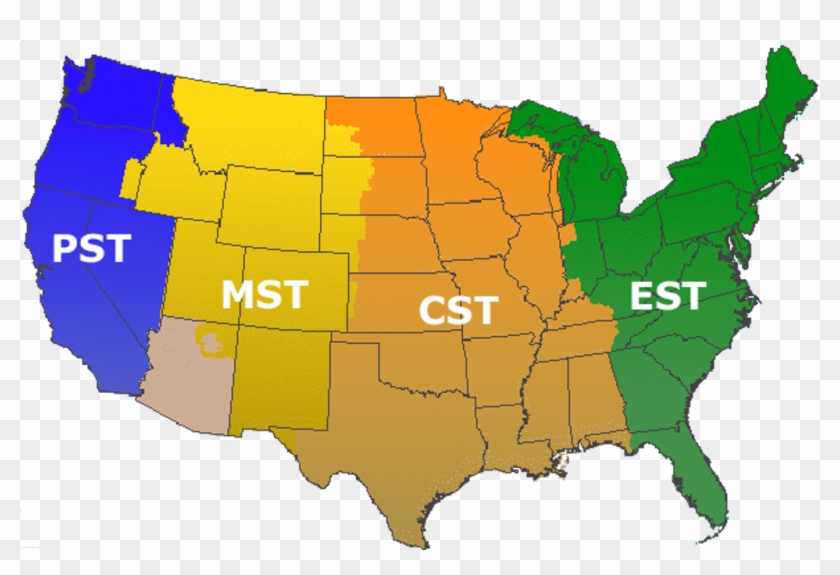
While the vast majority of New Mexico adheres to Mountain Time, the state’s proximity to other regions means that travelers crossing its borders must remain vigilant. To the east, Texas operates mostly on Central Time, while to the west, Arizona presents a unique case study in timekeeping.
The Mountain Time Standard
The entire state of New Mexico resides within the Mountain Time Zone. This is significant for those flying into major hubs like the Albuquerque International Sunport. Whether you are exploring the high deserts of Santa Fe or the subterranean wonders of Carlsbad Caverns National Park, your clock remains consistent. This uniformity simplifies travel logistics significantly compared to regions where states are split between two time zones.
Daylight Saving Time Considerations
Unlike its neighbor to the west, Arizona, which famously opts out of observing Daylight Saving Time, New Mexico adheres to the federal standard. This means that from the second Sunday in March until the first Sunday in November, the state shifts to Mountain Daylight Time (MDT). Travelers visiting during these months should ensure their digital devices are set to update automatically to avoid confusion when meeting local tour operators or checking into boutique accommodations like The Inn of the Five Graces.
Impact on Travel Planning and Logistics
For travelers, “what time is it” is rarely just about checking a watch; it is about managing the rhythm of a journey. The scale of New Mexico is deceptive, and the time of day often dictates the quality of your experience at key attractions.
Planning for Golden Hour
The lighting in the high desert is world-renowned, particularly in White Sands National Park. Because the state is on Mountain Time, the sun sets later in the western part of the zone than it does in the eastern part. Photographers and nature enthusiasts should account for the specific sunset times in Las Cruces or Taos to capture that iconic, soft-hued glow reflecting off the gypsum dunes. Being aware of your local time ensures you don’t miss the optimal window for these excursions.

Coordination with Border States
If you are planning a multi-state road trip that includes El Paso, Texas, and the southern parts of New Mexico, you will encounter a time shift. El Paso operates on Central Time. This one-hour difference can be the deciding factor in whether you catch a scheduled shuttle or arrive on time for a reservation at a historic restaurant. Always double-check the time zone of your destination city rather than assuming it will match your current location, especially when nearing the state lines of Texas.
Cultural Rhythms and Operational Hours
The “time” in New Mexico is often measured more by the cultural pace than by the ticking of a clock. Many of the state’s most profound experiences are tied to seasonal and traditional cycles that transcend mere hours and minutes.
Understanding Tribal Time
New Mexico is home to nineteen Pueblos, each with its own distinct traditions and ceremonial calendars. When visiting sites like Taos Pueblo, it is important to realize that traditional activities may occasionally restrict access to certain areas, regardless of what the standard operating hours posted on a website might indicate. Respecting the community’s temporal needs is part of being a responsible and culturally sensitive visitor.
Dining and Business Operations
In metropolitan areas such as Albuquerque, businesses generally follow standard nine-to-five hours. However, in smaller towns and mountain villages like Cloudcroft or Silver City, the pace is decidedly slower. Establishments may close earlier than one might expect, and Sunday hours are often limited. If you are aiming to visit the Georgia O’Keeffe Museum or other cultural institutions, checking their specific temporal policies online before your arrival is a prudent strategy.
Tips for the Time-Conscious Traveler
To ensure your journey through the “Land of Enchantment” is seamless, keep these practical tips in mind:
- Sync Your Devices: Set your smartphone to “Set Automatically” for time and date. This is the most reliable way to handle the transition in and out of Daylight Saving Time.
- Buffer Your Schedule: Because New Mexico is expansive, driving between points of interest—such as traveling from Santa Fe to the Valles Caldera National Preserve—often takes longer than anticipated. Always build an hour of “cushion” into your itinerary to account for mountain driving conditions and scenic stops.
- Check Sunset Times: Before heading out to explore locations like Bandelier National Monument, verify the sunset time for that specific date. Mountain shadows fall long and early, which can affect visibility on hiking trails.
- Coordinate Across Borders: If your trip involves transit through Arizona or Texas, keep a small analog watch set to the time zone of your origin point or next destination to avoid the common pitfalls of digital synchronization errors.
By embracing the tempo of the high desert, you allow yourself to sink into the beauty of the landscape. New Mexico offers a reprieve from the frantic nature of modern life. Whether you are catching a sunrise over the Sandia Mountains or enjoying an evening meal in a historic adobe structure, knowing the time is simply a tool to help you be present for the moments that truly matter. Enjoy your travels, respect the local pace, and allow the unique rhythm of the Southwest to dictate the flow of your adventure.
LifeOutOfTheBox is a participant in the Amazon Services LLC Associates Program, an affiliate advertising program designed to provide a means for sites to earn advertising fees by advertising and linking to Amazon.com. Amazon, the Amazon logo, AmazonSupply, and the AmazonSupply logo are trademarks of Amazon.com, Inc. or its affiliates. As an Amazon Associate we earn affiliate commissions from qualifying purchases.