
Planning a trip to the high desert of the American Southwest requires an understanding of the unique atmospheric conditions that define this region. Situated at an elevation of over 5,000 feet, Albuquerque experiences a high-desert climate characterized by four distinct seasons, abundant sunshine, and significant daily temperature fluctuations. Whether you are visiting for the world-famous Albuquerque International Balloon Fiesta or exploring the rugged beauty of the Sandia Mountains, knowing what to pack and when to visit is essential for an enjoyable travel experience.
Understanding the Four Seasons in the High Desert
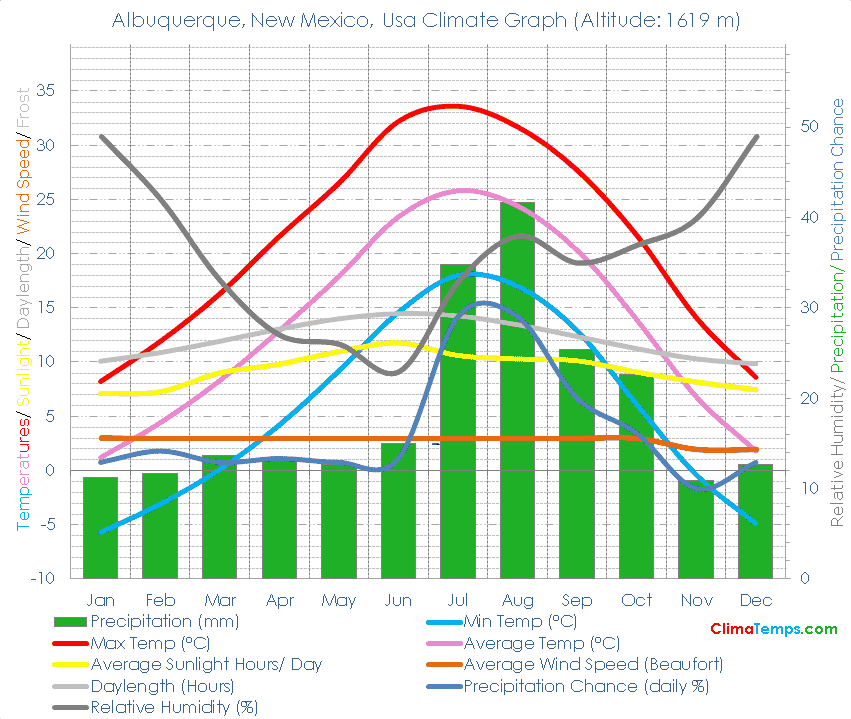
Unlike the humid climates found in other parts of the United States, the weather in New Mexico is defined by its aridity. This lack of moisture leads to a dramatic difference between daytime highs and nighttime lows, often spanning 30 degrees or more.

Spring: The Season of Renewal and Winds
Spring, spanning from March through May, is a transitional period in Albuquerque. While temperatures begin to climb into the 60s and 70s Fahrenheit, this season is notorious for being the windiest time of the year. Travelers visiting during the spring months should be prepared for sudden gusts as air masses shift across the Rio Grande valley. It is the perfect time for hiking the trails of Petroglyph National Monument before the full intensity of the summer sun arrives.
Summer: Heat and the Monsoon Influence
From June to August, the city experiences its hottest temperatures. Afternoon highs frequently reach into the 90s. However, because of the low humidity, the heat is often described as more tolerable than in lower-lying, humid climates. The latter half of summer often brings the North American Monsoon, which provides brief, intense afternoon thunderstorms. These showers bring a welcome drop in temperature and a refreshing scent of sagebrush and creosote to the High Desert.
Autumn: The Golden Window for Travel
Autumn is widely considered the best time to visit Albuquerque. September and October feature crisp, cool mornings and comfortable, sunny afternoons. The sky takes on a brilliant, deep blue hue that is iconic to the Southwest. This is the season when the Albuquerque International Balloon Fiesta takes place, as the stable air conditions are ideal for hot air balloon flight.
Winter: Mild Days and Crisp Nights
Winters in New Mexico are generally mild. While snow is not uncommon, it usually melts quickly due to the intense solar radiation at high altitudes. Daytime temperatures often hover in the 40s and 50s, making it a comfortable time for outdoor exploration without the crowds. For those interested in winter sports, the Sandia Peak Ski Area offers a unique contrast to the desert floor below, providing snowy slopes just a short drive from the city center.
Essential Tips for Managing High-Altitude Conditions

Traveling to a high-altitude city like Albuquerque requires more than just a weather report; it requires an awareness of how altitude affects the human body and your gear.
Hydration and Sun Protection
At 5,000 feet, the air is significantly thinner and drier. You will lose body moisture much faster than you would at sea level. Drinking extra water throughout the day is the most effective way to prevent altitude sickness and fatigue. Furthermore, because there is less atmosphere to filter out ultraviolet rays, the sun is significantly more intense in New Mexico than in many other regions. High-SPF sunscreen, polarized sunglasses, and a wide-brimmed hat are non-negotiable items for any traveler planning to spend time in the Old Town district or the Bosque Trail.
The Art of Layering
Because of the wide temperature swings, “layering” is the golden rule of dressing for Albuquerque. A typical day may start at 40°F in the morning and rise to 75°F by the afternoon. Starting your day with a base layer, a light sweater or fleece, and a windbreaker allows you to adjust your clothing as the sun climbs higher. This is particularly important if you are planning to take the Sandia Peak Tramway to the top of the mountains, where temperatures are consistently 15–20 degrees cooler than in the city.
Weather-Dependent Activities and Experiences
The unique climate of Albuquerque directly influences the local lifestyle and the types of activities available to visitors.
Outdoor Recreation in the Foothills
The Sandia Mountains provide a playground for outdoor enthusiasts year-round. Hikers and mountain bikers take advantage of the sunny days during the shoulder seasons of spring and fall. Even in mid-winter, the southern-facing slopes remain largely accessible, allowing for year-round trail use. When planning an excursion, it is always wise to check the mountain weather forecast separately from the city forecast, as the peaks often experience vastly different conditions than the urban valley.
Cultural Festivals and Climate Sensitivity
Many of the cultural events in Albuquerque, such as the Gathering of Nations Pow Wow, are scheduled to coincide with the most pleasant weather windows. During these large-scale outdoor events, shade is a luxury. If you are attending an event, seek out hydration stations and rest areas to maintain your comfort levels. The Indian Pueblo Cultural Center serves as a great indoor destination if the weather turns inclement or if the midday heat becomes overwhelming.
The Impact of Weather on Local Architecture and Dining
The weather in the Southwest has shaped the very fabric of Albuquerque. Traditional Adobe construction is designed to keep interiors cool during the heat of the day and retain warmth through the cold desert nights. When dining in the International District or visiting local markets, you will notice many patios designed to maximize “al fresco” dining during the mild spring and fall evenings. As summer transitions into autumn, the aroma of roasting green chiles—the hallmark of New Mexican cuisine—fills the air, a seasonal ritual that is as much a part of the local weather cycle as the changing leaves.
Whether you are seeking the vibrant colors of autumn balloons against a clear, azure sky or the brisk, clear vistas of a winter morning, Albuquerque offers a climate that rewards the prepared traveler. By respecting the intensity of the sun and the variability of the high-desert winds, you can enjoy all that this remarkable city has to offer throughout every month of the year.
LifeOutOfTheBox is a participant in the Amazon Services LLC Associates Program, an affiliate advertising program designed to provide a means for sites to earn advertising fees by advertising and linking to Amazon.com. Amazon, the Amazon logo, AmazonSupply, and the AmazonSupply logo are trademarks of Amazon.com, Inc. or its affiliates. As an Amazon Associate we earn affiliate commissions from qualifying purchases.