
Nestled high in the southern reaches of the Rocky Mountains, the village of Angel Fire occupies a unique and breathtaking position in the landscape of New Mexico. For those planning their next great mountain escape, understanding the geography and accessibility of this high-altitude haven is the first step toward a successful journey.
Geographical Positioning and Accessibility
Angel Fire is located in Colfax County, situated within the Moreno Valley. This lush, high-alpine basin sits at an elevation of approximately 8,400 feet, providing visitors with a quintessential mountain climate characterized by cool, crisp summers and reliable, powdery winters.

Reaching the Mountain Village
The village is tucked away in the Sangre de Cristo Mountains, a sub-range of the Rockies. Travelers often approach the destination by driving through the scenic mountain passes that define this part of the American Southwest.
- From Santa Fe: The drive from the state capital is approximately 90 to 100 miles, usually taking about two hours. The route via US Highway 84 and US Highway 64 offers some of the most stunning vistas in the region.
- From Taos: Being the closest major town, Taos is only about 25 miles away. The winding roads through the Taos Canyon provide a direct gateway to the valley.
- From Albuquerque: Most travelers flying into New Mexico arrive at the Albuquerque International Sunport. From there, the drive is roughly three to three-and-a-half hours heading north.
Regional Landmarks and Surroundings
Understanding where Angel Fire sits requires looking at its proximity to other significant landmarks. The village is part of the “Enchanted Circle,” a famous 83-mile scenic byway that loops through the mountains and valleys of Northern New Mexico.
Proximity to Natural Wonders
The village is flanked by the Wheeler Peak Wilderness, which contains the highest point in the state, Wheeler Peak. This creates a dramatic backdrop that influences both the weather patterns and the outdoor recreational potential of the area.
Within the valley itself, visitors can explore Eagle Nest Lake State Park, located just a few miles to the north. This reservoir is a centerpiece for water activities, bird watching, and fishing, serving as a primary natural landmark for those staying in the Moreno Valley.
Cultural Proximity
While Angel Fire is primarily a destination for recreation, it is deeply connected to the artistic legacy of Northern New Mexico. Its proximity to the Taos Pueblo—a UNESCO World Heritage Site—allows visitors to easily bridge the gap between mountain adventure and deep-rooted indigenous history.
Seasonal Experiences in the Valley
The question of where to find Angel Fire is often followed by the question of when to go. The geography of this Rocky Mountain village dictates a distinct seasonal rhythm.
Winter Sports and Alpine Thrills
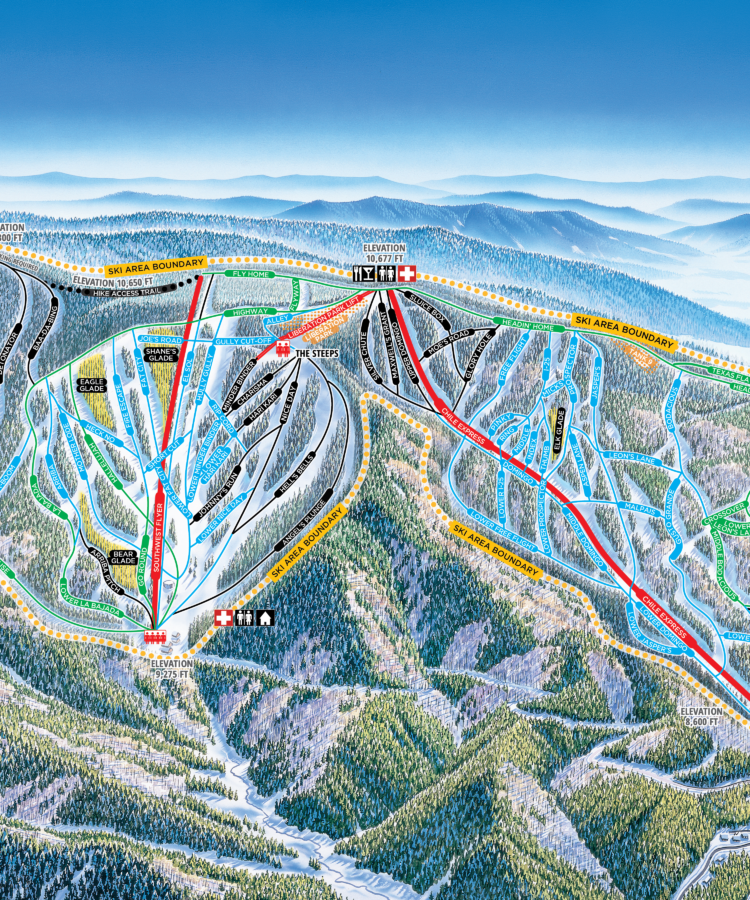
During the winter months, the village centers around the Angel Fire Resort. Known for having some of the best snow-making capabilities in the Southern Rockies, the resort provides a massive playground for skiing and snowboarding. The resort sits at the heart of the village, making it the focal point for winter tourism in Colfax County.
Summer Adventures and High-Altitude Living
When the snow melts, the village transforms into a hub for mountain biking, hiking, and golf. The Angel Fire Bike Park is world-renowned, utilizing the lift-served terrain to attract gravity-riding enthusiasts from across the United States.
Hiking trails originate from the base area, leading into the Carson National Forest, which surrounds the entire valley. This makes Angel Fire an ideal base camp for those looking to immerse themselves in the rugged topography of New Mexico.
Why the Location Matters
The specific location of Angel Fire within the Moreno Valley creates a unique microclimate and atmosphere that distinguishes it from other high-desert destinations.
Avoiding the High-Desert Heat
Many travelers are surprised by the climate of New Mexico. While the southern and central parts of the state are known for arid, desert heat, Angel Fire remains a true mountain destination. Its high elevation ensures that even during the peak of summer, temperatures remain comfortable. This makes it a preferred escape for those living in hotter climates who seek refuge in the cool breezes of the Sangre de Cristo Mountains.

Accessibility vs. Seclusion
While the village is well-connected to larger towns like Taos and Santa Fe, it maintains a sense of isolation that is increasingly rare. It sits far enough away from major metropolitan hubs to feel like a true “getaway,” yet it remains accessible via well-maintained mountain highways. This balance is what continues to draw travelers who want to feel disconnected from the rush of urban life while still having access to modern amenities and high-quality lodging.
As you plan your itinerary, remember that the geography here is the architect of the experience. From the winding approach through the Taos Canyon to the sprawling vistas of the Moreno Valley, the journey to Angel Fire is just as significant as the arrival. Whether you are aiming to carve lines down the mountainside or find a quiet place to watch the sun set over the peaks, understanding the placement of this village within the Rocky Mountain range will help you navigate your trip with ease. Pack accordingly for the high-altitude climate, prepare for the winding scenic roads, and enjoy the unique mountain charm that defines this corner of the Southwest.
LifeOutOfTheBox is a participant in the Amazon Services LLC Associates Program, an affiliate advertising program designed to provide a means for sites to earn advertising fees by advertising and linking to Amazon.com. Amazon, the Amazon logo, AmazonSupply, and the AmazonSupply logo are trademarks of Amazon.com, Inc. or its affiliates. As an Amazon Associate we earn affiliate commissions from qualifying purchases.