
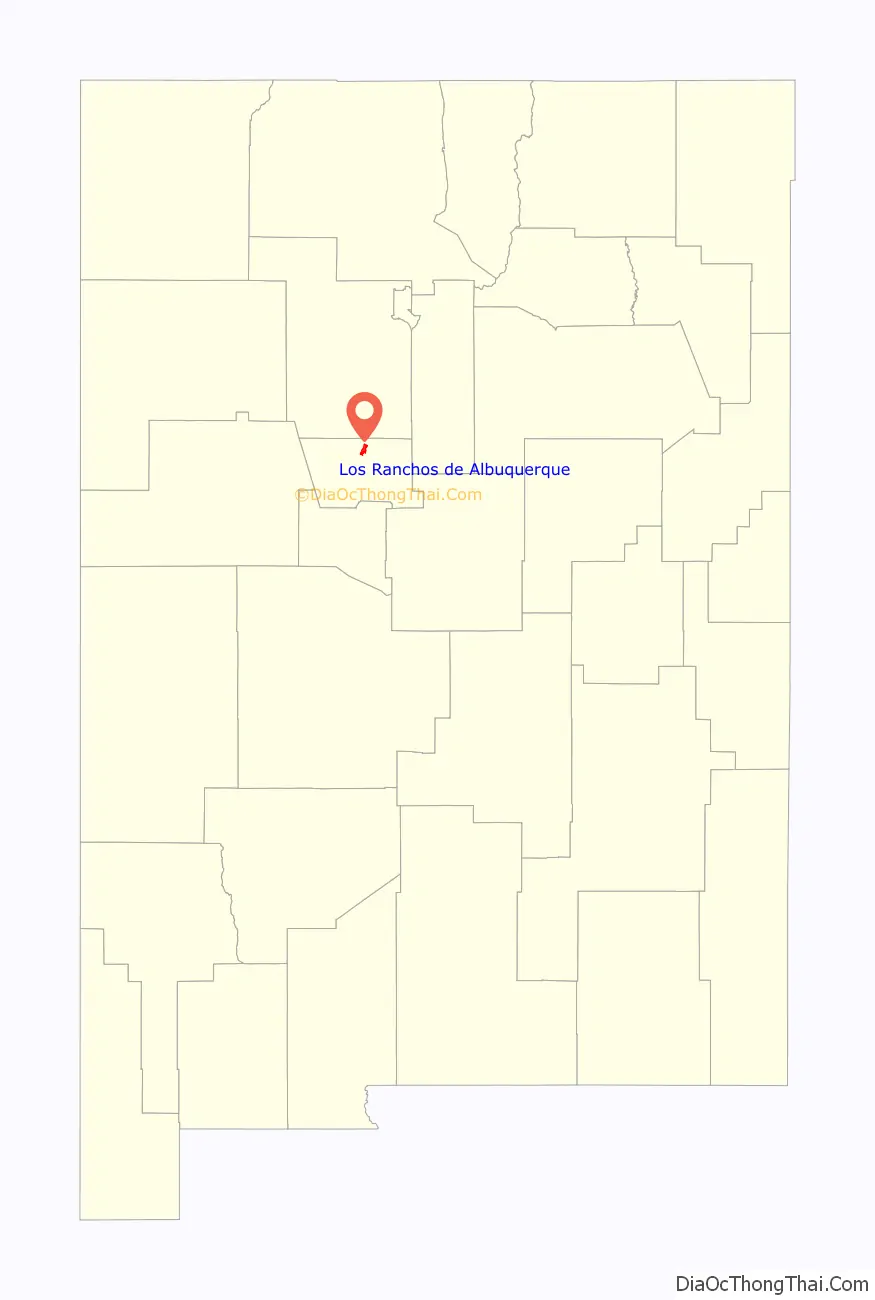
Nestled in the heart of the Rio Grande Valley, the village of Los Ranchos stands as a unique enclave of agricultural heritage and high-desert charm. Often overshadowed by the bustling energy of its neighbor, Albuquerque, this quiet community offers a slower, more deliberate pace of life. For those wondering about its location, it sits just north of the city center, bordered by the Rio Grande to the west and the sprawling Sandia Mountains rising prominently to the east.
This geography is not merely a coordinate on a map; it is the defining feature of the local culture. The village maintains a strict commitment to its “rural” identity, despite being technically surrounded by the suburban expansion of Bernalillo County.

The Geographic and Cultural Landscape
To understand where Los Ranchos de Albuquerque sits, one must look at the tension between urban sprawl and the protected “North Valley” corridor. The village functions as an island of green in an otherwise arid New Mexico landscape, preserved by zoning laws that prioritize large lots, orchards, and horse-friendly pathways.
Positioning in the North Valley
The village is situated directly north of Old Town Albuquerque, stretching along the Rio Grande Bosque. This location allows visitors to experience the verdant cottonwood forests that define the riverbanks. If you are traveling from the Albuquerque International Sunport, you can expect a drive of roughly twenty to thirty minutes heading north via Interstate 25 or the more scenic Fourth Street.
A Gateway to the Bosque
Because Los Ranchos occupies the prime strip of land between the river and the urban fringe, it serves as one of the best access points for the Rio Grande Valley State Park. Unlike the high-density areas of downtown, this village offers direct, low-traffic access to miles of hiking and biking trails that wind through the protected woodland ecosystems.
Agriculture as a Way of Life
The identity of this village is intrinsically tied to its history as a farming community. Even as modern residential development has integrated into the area, the commitment to local agriculture remains a defining pillar of Los Ranchos tourism and lifestyle.
The Village Market
A visit to the Los Ranchos Growers Market is essential for anyone trying to ground themselves in the local culture. It serves as a social hub where residents trade everything from lavender and organic greens to artisanal honey produced in the Southwest. By prioritizing local farmers over corporate imports, the community preserves the irrigation-fed traditions that date back to the Spanish colonial period.
Wineries and Vineyards
The proximity to the Rio Grande provides a fertile microclimate that has enabled a growing viticulture scene. Exploring the wineries scattered throughout the village—such as the historic Casa Rondeña Winery—reveals a side of the region that feels more like the Mediterranean than the high desert. Tasting local wines amidst the backdrop of Sandia Peak is a quintessential experience that highlights why so many travelers seek out this specific pocket of New Mexico.
Exploring the Local Character
When you arrive in Los Ranchos, you will notice that the architecture shifts. Gone are the sprawling concrete malls replaced by adobe-style structures and walled estates that hide secret gardens.
Architectural Harmony
The village enforces strict guidelines that encourage Pueblo Revival architecture. This style honors the indigenous history of the United States while incorporating the practical needs of modern residents. Walking through the quiet lanes, one finds that the village feels like a sanctuary, shielded from the noise of the metropolitan region.
Proximity to Nearby Landmarks
While the village itself is a destination, its location makes it an ideal base for exploring broader regional attractions. You are within a short distance of:
- Petroglyph National Monument: Located just across the river, it holds thousands of ancient rock carvings.
- Anderson-Abruzzo Albuquerque International Balloon Museum: A short trip north, celebrating the city’s status as the ballooning capital of the world.
- Albuquerque Museum: Situated closer to the downtown core, it provides the historical context for the entire valley.
Tips for the Discerning Visitor
Navigating Los Ranchos is best done with a sense of patience. This is not a place for high-speed travel or neon signage.
Transportation and Access
While you can reach the village by car, the most rewarding way to experience its unique character is by bicycle. The Paseo del Bosque Trail runs along the western edge of the village, providing a flat, paved surface that connects riders directly to the river. Many visitors find that renting a bike in Albuquerque and cycling north into the village is the best way to transition from the city to the countryside.
Seasonal Timing
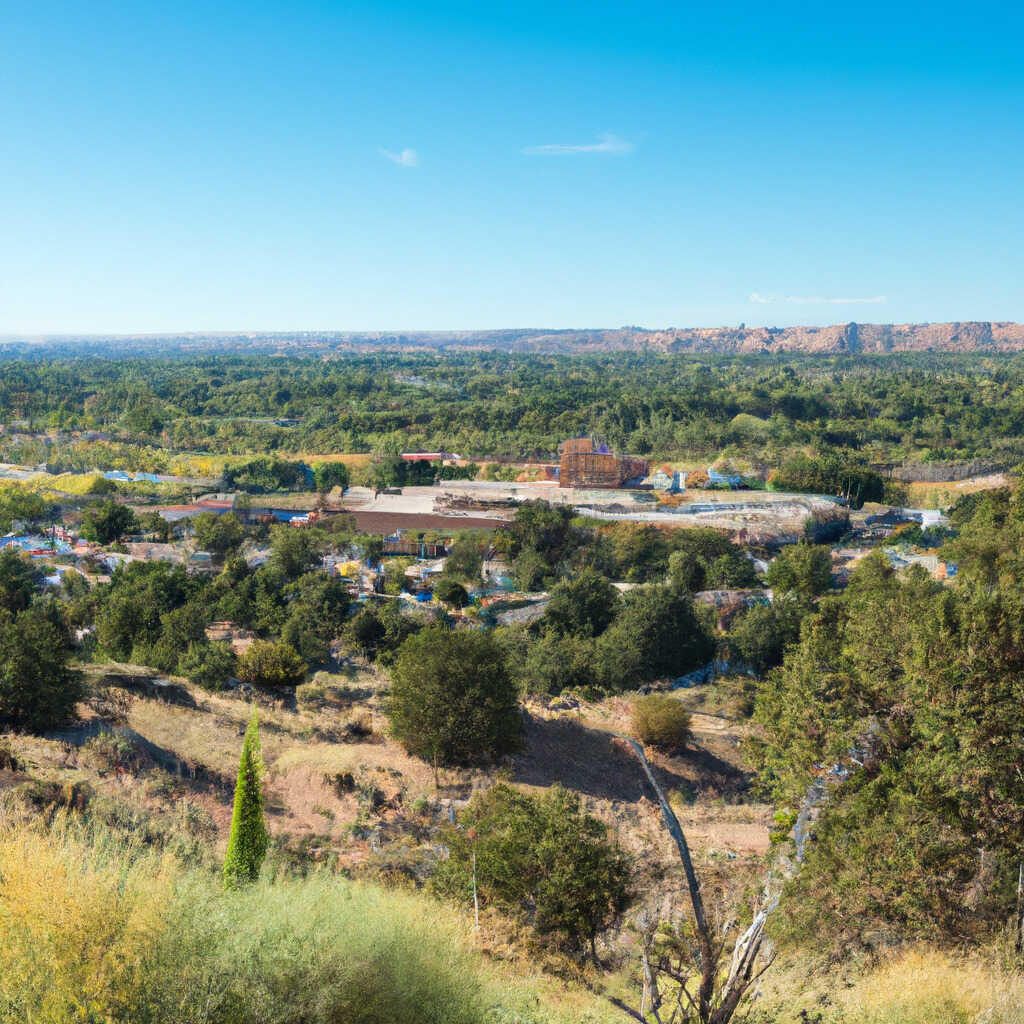
The best time to visit is during the shoulder seasons of spring and fall. In the spring, the cottonwoods bloom, creating a lush, green canopy that stretches for miles. In the fall, the New Mexico air turns crisp, and the harvest at local farms becomes the focal point of community life. Summer days can be intense, but the shade provided by the dense trees along the Rio Grande makes it manageable if you plan your outdoor activities for the early morning.
A Community-Centric Philosophy
Visitors are encouraged to respect the privacy of the agricultural zones. Unlike commercial districts, much of Los Ranchos is residential, filled with working farms and private homes that have been in families for generations. Engaging with the village through its public markets, parks, and wineries is the most respectful and rewarding approach for the modern tourist.
Ultimately, Los Ranchos is more than just a suburb or a neighborhood; it is a vital reminder of the agricultural roots that once defined the entire Rio Grande Valley. By keeping its feet firmly planted in its rural history while adapting to the needs of modern visitors, it maintains a unique position as a sanctuary for those looking to slow down, breathe the desert air, and connect with the landscape in a meaningful, authentic way. Whether you are traveling for the wine, the history, or the simple desire to be near the river, this village remains one of the most hidden, yet accessible, gems of the American Southwest.
LifeOutOfTheBox is a participant in the Amazon Services LLC Associates Program, an affiliate advertising program designed to provide a means for sites to earn advertising fees by advertising and linking to Amazon.com. Amazon, the Amazon logo, AmazonSupply, and the AmazonSupply logo are trademarks of Amazon.com, Inc. or its affiliates. As an Amazon Associate we earn affiliate commissions from qualifying purchases.