
The journey across the Pelican State, spanning from the rhythmic, jazz-infused streets of New Orleans to the burgeoning riverfront charm of Shreveport, offers a fascinating cross-section of Louisiana culture. Whether you are planning a weekend getaway or a cross-state road trip, understanding the geography and the nuances of the route is essential for a smooth travel experience.
Navigating the Distance: Routes and Travel Times
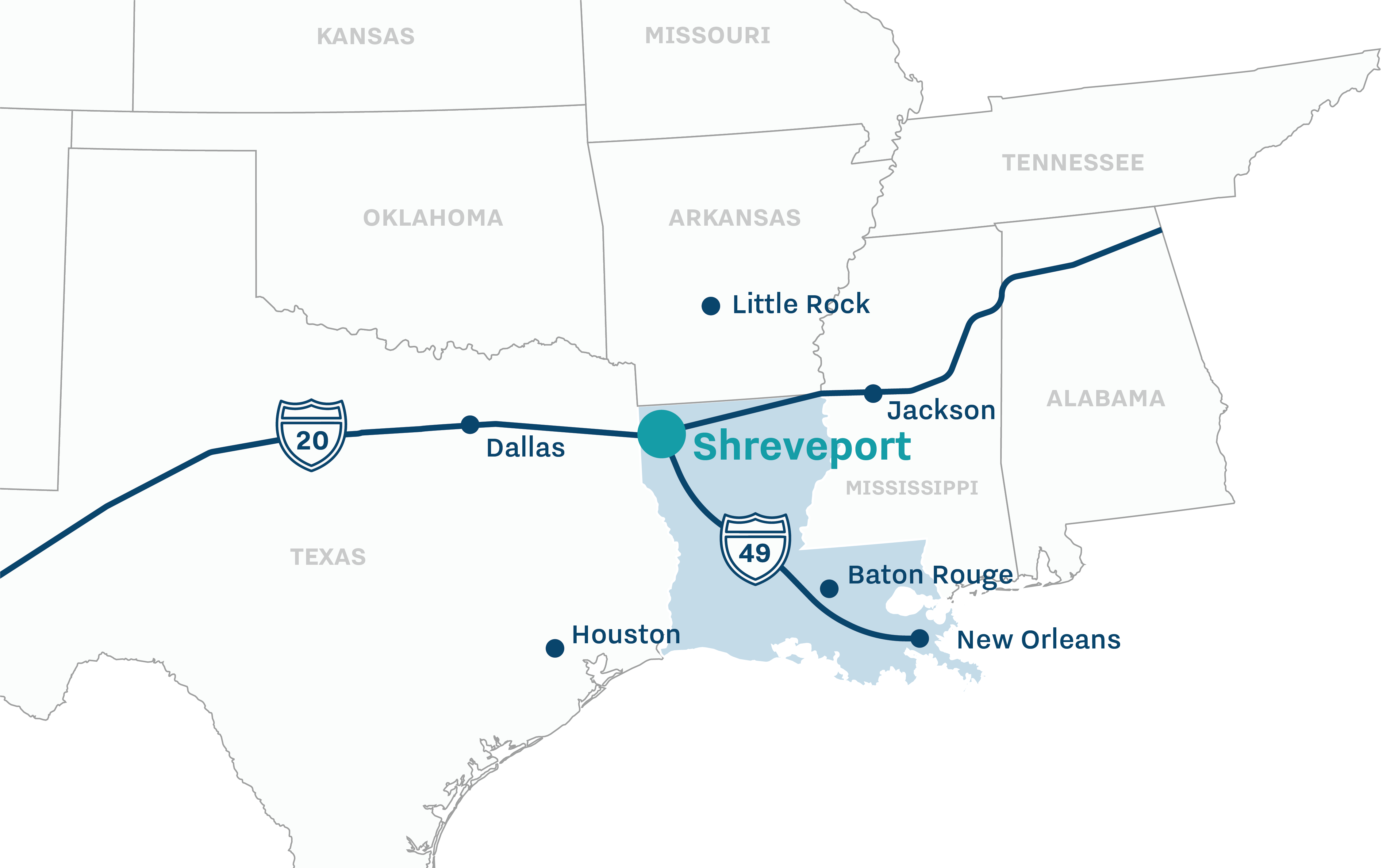
The drive between New Orleans and Shreveport covers approximately 330 miles, depending on your specific point of departure and preferred route. Generally, motorists should anticipate a drive time of five to six hours, assuming typical traffic conditions along the major interstate corridors.
Taking the Interstate Corridor
The most direct path involves taking Interstate 10 west out of New Orleans before transitioning onto Interstate 49 north. This route provides the most consistent highway speeds and serves as the primary artery connecting the southern and northern regions of the state. As you head north, the landscape shifts from the low-lying, swampy bayous surrounding Lake Pontchartrain into the rolling hills and pine forests of north Louisiana.
Alternative Scenic Byways
For travelers who are not in a rush, the state’s network of U.S. and state highways offers a more intimate look at the heart of the region. Choosing to traverse through historic small towns allows for a deeper appreciation of the rural landscape. However, be advised that these routes significantly increase travel time due to lower speed limits and frequent stops through local townships.
Strategic Stops Along the Way
Breaking up a five-hour drive is highly recommended to stay alert and maximize the enjoyment of your trip. The route between these two iconic cities passes through several points of interest that are worth a brief detour or a mid-trip meal.
Exploring Lafayette
Located roughly two hours from New Orleans, Lafayette serves as the vibrant capital of Cajun Country. It is an ideal spot to stop for lunch to experience authentic Cajun cuisine, such as gumbo or crawfish etouffee. The city is rich in history, and a quick visit to the Acadian Village can provide a fascinating glimpse into the region’s past before you continue your journey toward the northern half of the state.
The Charm of Alexandria
As you transition toward the midpoint of your drive, Alexandria stands as a convenient rest stop. Situated along the Red River, this city offers plenty of green spaces and local cafes. It is the perfect place to stretch your legs and refuel before embarking on the final stretch of the journey toward Shreveport.
Preparing for Your Louisiana Road Trip
Successful travel in Louisiana requires careful planning, especially when navigating longer distances between major urban centers. Factors such as weather patterns, seasonal events, and road construction can impact your commute.
Seasonal Considerations
Louisiana weather can be unpredictable. During the summer months, intense heat and frequent afternoon thunderstorms are common, which may lead to slower highway speeds. Conversely, during the winter, although the climate is generally mild, it is always wise to check for any fog warnings in low-lying areas, which can significantly affect visibility on the highways.
Essential Travel Tips
- Check Traffic Reports: Before departing New Orleans, use navigation apps to check for any major accidents or construction projects on Interstate 49.
- Stay Hydrated and Fueled: While the distance is manageable, the long stretches of highway mean that gas stations and dining options can be sparse in certain rural sections. Keep your tank at least half full to avoid unnecessary stress.
- Embrace the Journey: Think of the drive not merely as a commute, but as a tour of the state’s diverse geography. From the coastal influence near the Gulf of Mexico to the interior forests of the north, the scenery is a quintessential part of the Louisiana experience.
Arrival in Shreveport: What Awaits You
Reaching Shreveport marks the conclusion of a diverse journey through the state. As you enter the city, you will immediately notice the difference in architecture and pace compared to the southern part of the state.
The Riverfront and Beyond
Shreveport is renowned for its riverfront entertainment district. The Red River serves as a focal point for both culture and commerce. Visitors often spend time exploring the R.W. Norton Art Gallery or enjoying the local entertainment options that have made the city a distinct destination in the Ark-La-Tex region.
A Tale of Two Cities
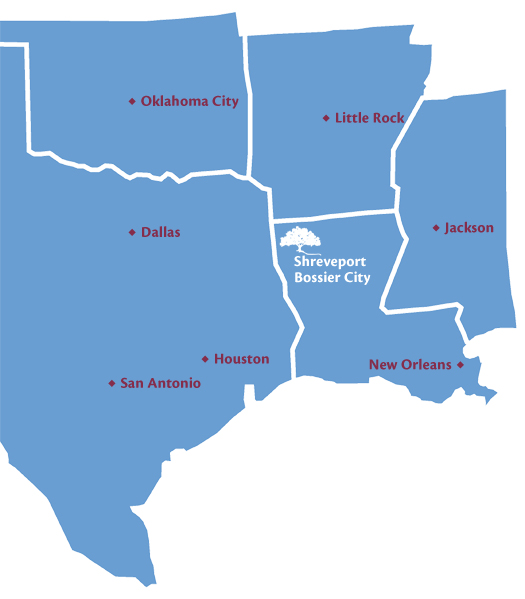
The contrast between New Orleans and Shreveport is one of the most compelling aspects of traveling within Louisiana. While New Orleans is defined by its colonial history, jazz, and Caribbean influences, Shreveport offers a distinct blend of southern hospitality, pine-laden landscapes, and a different set of cultural traditions that are rooted in its position near the borders of Texas and Arkansas.

Planning Your Return
Whether you choose to drive back the same way or take a different path to see more of the state, remember that the distance remains consistent. Planning your return trip with the same level of care—accounting for time, traffic, and potential stops—ensures that your entire experience, from the start in New Orleans to your return, is as enjoyable as possible. By respecting the scale of the state and enjoying the local culture along the way, you turn a simple drive into an essential component of your Louisiana adventure.
LifeOutOfTheBox is a participant in the Amazon Services LLC Associates Program, an affiliate advertising program designed to provide a means for sites to earn advertising fees by advertising and linking to Amazon.com. Amazon, the Amazon logo, AmazonSupply, and the AmazonSupply logo are trademarks of Amazon.com, Inc. or its affiliates. As an Amazon Associate we earn affiliate commissions from qualifying purchases.