
For many travelers navigating the Gulf Coast, the journey between Pensacola, Florida and New Orleans, Louisiana represents one of the most scenic and culturally diverse road trips in the United States. Spanning the heart of the “Redneck Riviera” and the historic charms of the Deep South, this route offers more than just a simple point-to-point transit; it is an exploration of distinct coastal identities. Whether you are seeking the sugar-white sands of the Emerald Coast or the jazz-infused streets of the French Quarter, understanding the logistics of this trip is the first step toward a seamless vacation experience.
Navigating the Route: Distance and Drive Time
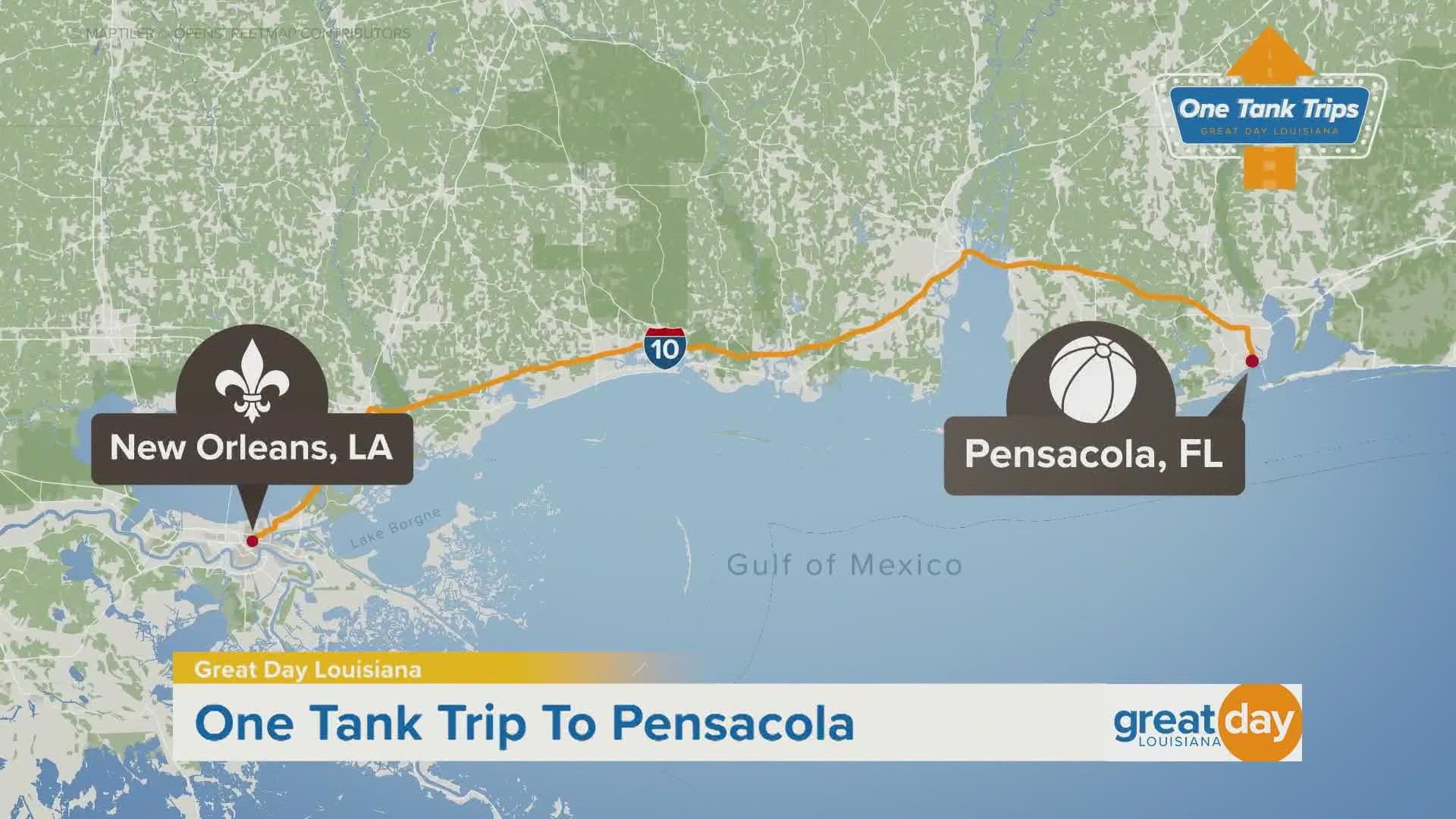
The physical distance between Pensacola and New Orleans is approximately 200 to 210 miles, depending on your specific starting point and the route you choose. Under ideal traffic conditions, the drive typically takes between three and three-and-a-half hours.
The Interstate 10 Corridor
The most efficient path is via Interstate 10, a massive arterial highway that hugs the coastline of the Gulf of Mexico. By taking I-10 West, travelers pass through the southern portions of Alabama and Mississippi before crossing the border into Louisiana. This route is direct and straightforward, providing consistent access to fuel, dining, and emergency services.
Traffic Considerations
While the route is generally reliable, travelers should account for potential bottlenecks. The Mobile Bay area in Alabama and the approach into the Greater New Orleans metropolitan area can experience significant congestion during morning and evening rush hours. Additionally, summer weekends often bring high volumes of beach traffic, which can slow down transit through the coastal corridor. Checking a real-time traffic app before departure is highly recommended to avoid unforeseen delays.
Strategic Stops Along the Way
The journey from Florida to Louisiana is dotted with charming coastal towns and historic landmarks that are worth a detour. Breaking up the three-hour drive allows travelers to experience the diverse culture of the Gulf Coast.
Mobile, Alabama
Located roughly an hour west of Pensacola, Mobile is a vibrant city known for its deep history and Mardi Gras traditions. A stop here allows for a visit to the USS Alabama Battleship Memorial Park, a massive historical site that provides a fascinating look at naval history. The downtown area is also home to beautiful architecture and a culinary scene that prides itself on fresh gulf seafood.
Biloxi and Gulfport, Mississippi
As you continue westward into Mississippi, the cities of Biloxi and Gulfport offer a distinctly different vibe. Known for its casino resorts and historical lighthouses, Biloxi serves as a great midpoint for a lunch break. The Mississippi Coast features miles of beaches and family-friendly attractions, making it a perfect spot to stretch your legs and enjoy the ocean breeze.
Bay St. Louis
For those who prefer a quieter atmosphere, Bay St. Louis is a picturesque town that captures the essence of coastal Mississippi. With its artistic community, eclectic shops, and scenic waterfront, it is an ideal location for travelers looking to escape the hustle of the highway for an hour or two.
Planning for the Arrival: Transitioning Environments
As you cross the Lake Pontchartrain Causeway or navigate the various bridges leading into New Orleans, the shift in landscape is palpable. You are moving from the pristine, white-sand tranquility of the Florida Panhandle to the humid, soulful, and energetic atmosphere of The Big Easy.
Cultural Differences to Expect
Pensacola is characterized by its military heritage—home to the National Naval Aviation Museum—and its focus on outdoor activities like boating and fishing. It is a city defined by its relationship with the water and its relaxed, sun-soaked lifestyle.
Conversely, New Orleans is a city defined by its dense history, complex culinary traditions, and world-renowned music scene. The transition from the coast to the Mississippi River delta involves moving into an urban environment where life moves at a different, more rhythmic pace. Travelers should be prepared for the change in energy, as the nightlife and historical sightseeing in New Orleans are significantly more intense and varied than the typical beach-resort atmosphere found in Pensacola.
Practical Tips for the Drive
- Fuel Strategy: While fuel is abundant along the I-10 corridor, try to keep your tank at least a quarter full. Gas prices can fluctuate significantly between state lines.
- Weather Awareness: The Gulf Coast is susceptible to sudden, heavy tropical rainstorms, especially during the summer months. Always check local weather forecasts before heading out.
- Alternative Routes: If you have extra time and prefer a more scenic journey than the interstate, consider taking U.S. Route 90. This slower, winding road keeps you closer to the water and passes directly through the charming main streets of many coastal towns that I-10 bypasses entirely.
Travel Considerations for Different Seasons
The experience of driving between Pensacola and New Orleans changes drastically depending on the time of year. Summer travelers will experience the height of beach season, characterized by high temperatures and increased tourism in both cities.
Spring and Fall
Spring and fall are arguably the best times to make the trip. The weather is milder, making outdoor exploration in cities like Mobile and the walkability of New Orleans much more comfortable. Additionally, these seasons avoid the peak of hurricane season, which typically runs from June through November.
Festive Considerations
Keep in mind that New Orleans hosts numerous festivals, such as Mardi Gras and the New Orleans Jazz & Heritage Festival, which can cause traffic to back up for miles approaching the city. If you are planning to visit during these high-demand times, it is essential to plan your departure from Pensacola well in advance and book your accommodation early to avoid the frustration of limited availability or surging prices.
Ultimately, whether you are traveling for a long weekend or an extended coastal tour, the distance between these two iconic cities is manageable and rewarding. By understanding the route, planning your stops strategically, and respecting the cultural shift between Florida and Louisiana, you can turn a simple commute into one of the most memorable parts of your Gulf Coast adventure.
LifeOutOfTheBox is a participant in the Amazon Services LLC Associates Program, an affiliate advertising program designed to provide a means for sites to earn advertising fees by advertising and linking to Amazon.com. Amazon, the Amazon logo, AmazonSupply, and the AmazonSupply logo are trademarks of Amazon.com, Inc. or its affiliates. As an Amazon Associate we earn affiliate commissions from qualifying purchases.