
When planning a quick getaway from the heart of Texas to the soulful streets of Louisiana, travelers often prioritize efficiency. The route between Dallas and New Orleans is a classic southern corridor, connecting two of the most vibrant urban centers in the United States. Understanding the logistics of this flight—specifically the duration—is the first step toward optimizing your travel experience.
Understanding Flight Duration and Airtime
For most travelers flying between these two cities, the flight time is remarkably brief, making it one of the most convenient domestic routes in the region.

The Standard Duration
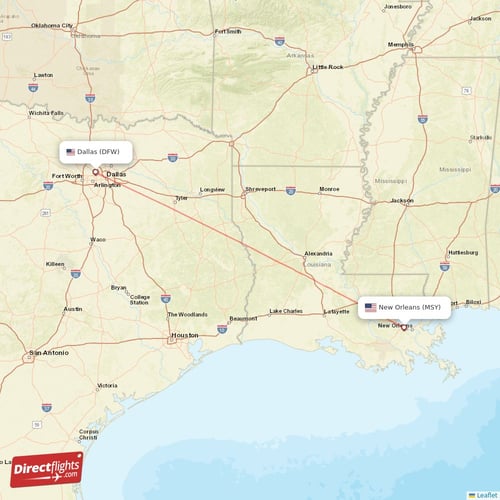
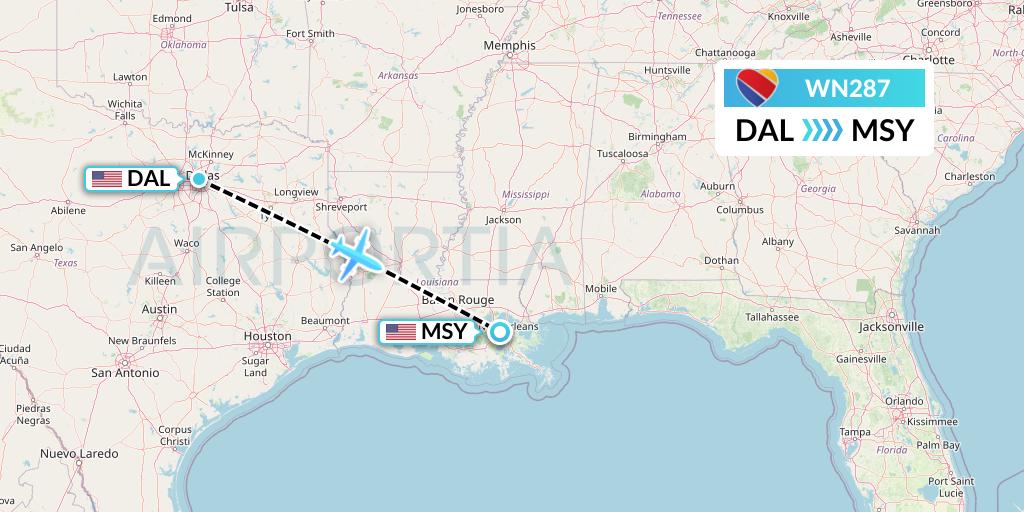
On average, a non-stop flight from Dallas Love Field or Dallas Fort Worth International Airport to Louis Armstrong New Orleans International Airport clocks in at approximately one hour and 15 minutes to one hour and 30 minutes in the air.
While the physical distance is relatively short—spanning roughly 450 miles—the total travel time can fluctuate slightly depending on several atmospheric and operational factors. Pilots often account for wind patterns, air traffic congestion over major hubs, and the specific flight path assigned by air traffic control. On a clear day with favorable tailwinds, it is not uncommon for the wheels-up to wheels-down time to be closer to one hour and five minutes.
Factors Influencing Your Time in the Sky
Several variables can extend or reduce that duration:
- Airlines and Equipment: Different carriers operate various aircraft types. While most regional flights use similar narrow-body jets, slight differences in cruising speed can marginally affect arrival times.
- Ground Hold: Occasionally, if New Orleans is experiencing heavy traffic or inclement weather, your flight may enter a holding pattern, which adds time to the overall duration.
- Gate-to-Gate vs. Airtime: Remember that the “flight time” advertised is often the airtime. Total travel time must include taxiing, takeoff, and landing procedures, which can add another 20 to 30 minutes to your door-to-door transit time.
Navigating the Airports: Logistics and Timing
While the flight itself is quick, the transit through the departure and arrival terminals plays a significant role in your overall journey. Choosing the right airport configuration can save you significant time.
Departure: DFW vs. Love Field
Dallas is unique in that it offers two distinct primary airports. Dallas Fort Worth International Airport is a massive international hub, offering frequent flights with a wide variety of carriers. It is expansive, meaning you should allow for more time to navigate terminals and security checkpoints.
Conversely, Dallas Love Field is closer to downtown Dallas and generally offers a more streamlined, compact passenger experience. If you are flying with Southwest Airlines, which is a dominant carrier on this route, utilizing Love Field often results in a faster transit experience before you even reach the boarding gate.
Arrival: Entering the Crescent City
Once you descend toward Louis Armstrong New Orleans International Airport, you will find that the airport is situated roughly 15 to 20 miles west of the city’s center.
The airport has undergone significant renovations, including a modern terminal that simplifies the arrival process. Depending on your final destination—whether it be the historic French Quarter, the Garden District, or the Central Business District—you should factor in a 30 to 45-minute drive via the I-10 to reach your hotel or rental.
Maximizing Your Travel Efficiency
To ensure your journey from the Lone Star State to the Bayou State is as seamless as possible, follow these strategic tips.
Strategic Booking
Because this is a high-frequency route, prices can fluctuate based on business travel trends. Mid-week flights, particularly on Tuesdays and Wednesdays, often see lower demand, resulting in better pricing and occasionally lighter passenger loads, which makes the boarding and deplaning process much smoother.
Preparation for Security
Regardless of which airport you depart from, TSA PreCheck is highly recommended for frequent travelers on this route. Given that the flight is so short, spending an hour in a security line can make the journey feel much longer than it actually is. By bypassing the standard security bottleneck, you maintain the “quick-trip” feel of this specific itinerary.
Connectivity and Transport
Once you land in New Orleans, consider pre-booking your ground transportation. Whether you are heading to the Roosevelt Hotel or the Hotel Monteleone, having a car service waiting at the arrivals area allows you to transition immediately from the stress of air travel into the relaxed atmosphere of the city.
Is Flying the Best Option?
Travelers often compare the flight duration against the drive time. Driving from Dallas to New Orleans takes approximately seven to eight hours of pure driving time, depending on traffic and stops. When you consider that a flight is roughly 80 minutes of airtime, plus two hours for airport procedures, you are looking at a total travel commitment of about four hours.
For many, the math is simple. The flight saves you nearly four hours of transit, allowing you to spend your first afternoon enjoying a beignet at Cafe Du Monde or taking a stroll along the Mississippi River rather than staring at the highway asphalt through East Texas.
Ultimately, the flight between these two iconic cities is one of the most efficient ways to bridge the gap between Texas culture and the unique heritage of Louisiana. With a flight time hovering well under two hours, you can feasibly leave a morning meeting in Dallas and be sitting down to a world-class dinner in New Orleans by early evening. By understanding the nuances of the airports and planning for seamless ground connections, you ensure that your travel time remains a minor detail, leaving more room for the experiences that truly matter in the Big Easy.
LifeOutOfTheBox is a participant in the Amazon Services LLC Associates Program, an affiliate advertising program designed to provide a means for sites to earn advertising fees by advertising and linking to Amazon.com. Amazon, the Amazon logo, AmazonSupply, and the AmazonSupply logo are trademarks of Amazon.com, Inc. or its affiliates. As an Amazon Associate we earn affiliate commissions from qualifying purchases.