
The question of whether New Orleans is a walkable city does not have a simple binary answer. It is a destination defined by its distinct neighborhoods, each offering a drastically different pedestrian experience. While some parts of the “Big Easy” are essentially open-air museums best explored on foot, other sections are expansive, humid, and better suited for public transit or rideshare services. For the traveler, understanding the geography of the city is the key to determining how much of your itinerary should be spent walking versus riding.
Navigating the Historic Core
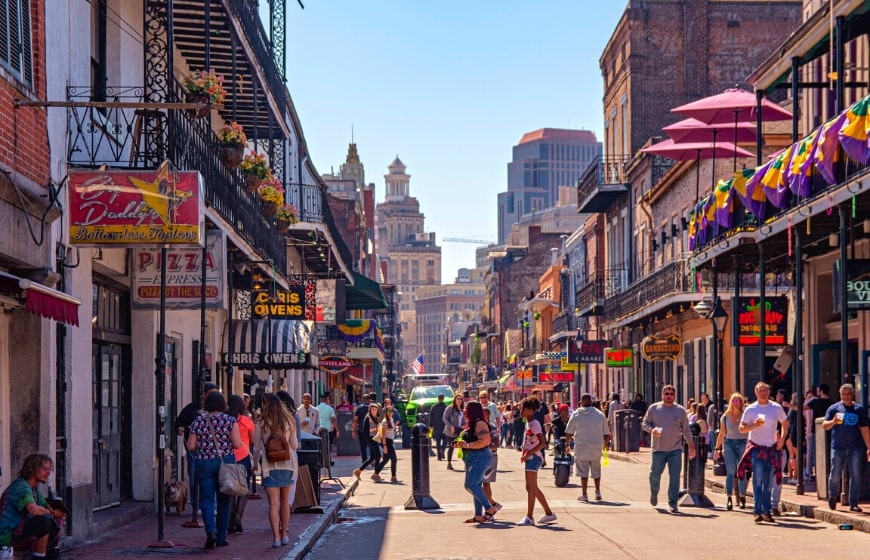
The most common point of entry for visitors is the French Quarter. This is, unequivocally, one of the most walkable districts in the United States. With its narrow streets, historic architecture, and high density of bars, restaurants, and shops, the area is designed for the pedestrian.

The Charm of the French Quarter
The grid system of the French Quarter makes it incredibly easy to navigate. Most major attractions, including Jackson Square and Cafe Du Monde, are within a few blocks of one another. Because the streets are narrow and often closed to vehicular traffic during festivals, the environment is catered entirely to those on foot. You can spend hours wandering from Bourbon Street to Royal Street, discovering hidden courtyards and iron-laced balconies without ever needing a taxi.
Transitioning to Faubourg Marigny
Directly adjacent to the French Quarter lies Faubourg Marigny. This neighborhood is a natural extension of the walking experience. As you move toward Frenchmen Street, the foot traffic remains steady. Here, the sidewalk culture is vibrant, particularly in the evenings when live music spills out of clubs and onto the pavement. If you are staying in either of these areas, walking is not just a choice—it is the preferred mode of transit.
The Garden District and Uptown Expansion
As you move away from the riverfront toward the Garden District and Uptown, the definition of “walkable” shifts. These areas are residential, sprawling, and lush with greenery. While they are beautiful, the distances between points of interest increase significantly.
Architectural Walking Tours
Walking the Garden District is a primary tourist activity, particularly for those interested in the grand mansions and the Lafayette Cemetery No. 1. The streets are wide, shaded by ancient oak trees, and generally safe. However, you will find yourself covering several miles if you intend to walk from the St. Charles Avenue streetcar line to the various boutiques on Magazine Street.
Utilizing the Streetcar System
The St. Charles Streetcar is the great equalizer of New Orleans transit. It allows pedestrians to cover long distances while maintaining the aesthetic experience of the city. You can walk the Garden District for an hour, hop on the streetcar, and disembark a mile later to continue your walking tour in a new section. This hybrid approach is essential for those who want to see the city’s residential beauty without suffering from fatigue.
Practical Considerations for Pedestrians
While the city is largely flat—making it physically easy for most people to walk for extended periods—there are environmental factors that can influence the quality of your walk.
Climate and Humidity
Louisiana is famous for its intense heat and humidity, particularly from May through September. Walking several miles in New Orleans during mid-day in August is a significantly more grueling experience than doing so in February. Pedestrians should plan their longest walks for the early morning or the cooler evening hours. Hydration is key, as the high humidity can lead to rapid exhaustion.
Infrastructure and Safety
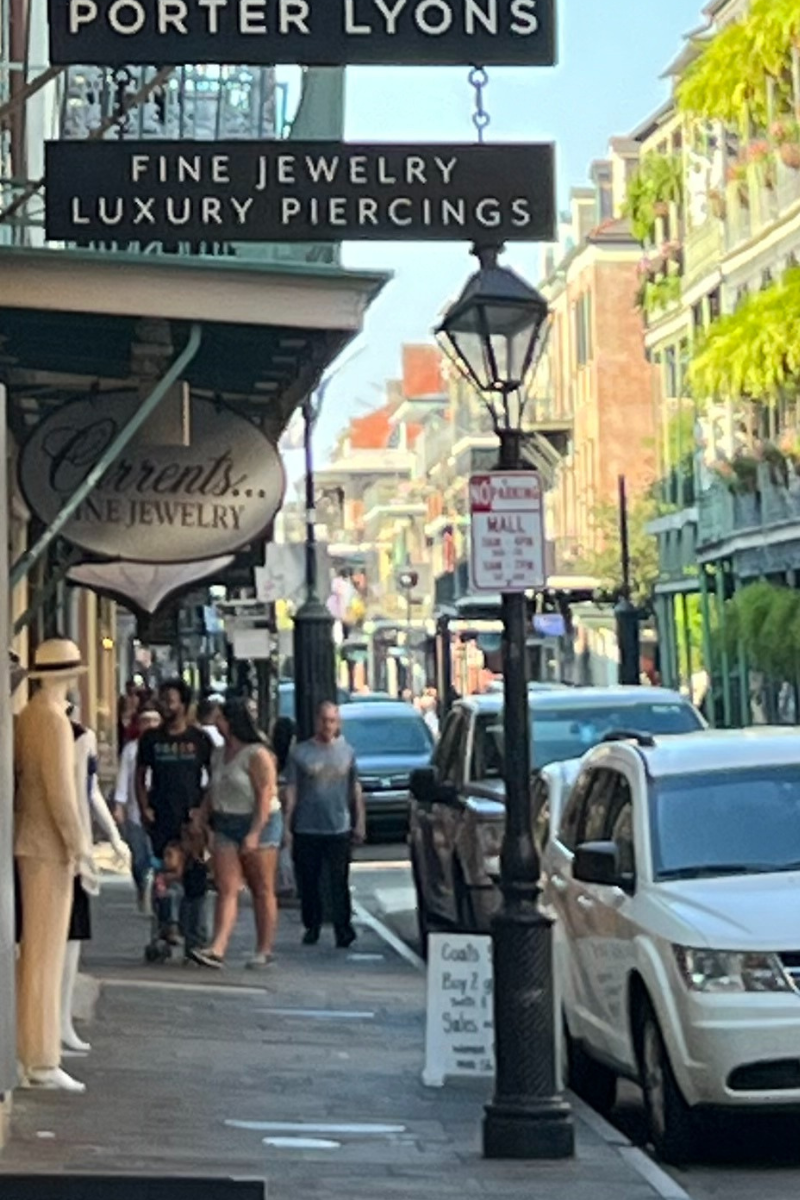
Like any major city, the quality of sidewalks in New Orleans varies. In older neighborhoods, historic paving stones and uneven concrete can be a challenge for those with mobility issues or those pulling luggage. Stick to well-lit, populated corridors at night. While areas like the Central Business District are active during the workday, they can become quiet at night, making a rideshare a better choice than a late-night stroll between disjointed neighborhoods.
Connecting the Neighborhoods
The biggest hurdle for the “New Orleans is walkable” argument is the gap between the tourist-heavy downtown and the outlying, culturally rich neighborhoods.
The Problem of Sprawl
If you want to walk from Jackson Square to the New Orleans Museum of Art in City Park, you are looking at a journey of over four miles. While the route takes you through the beautiful Esplanade Avenue, it crosses areas that are not particularly designed for foot traffic. Most visitors find that they reach a “transit wall” when trying to cross between the French Quarter, Mid-City, and the Garden District.
Creating a Walking Strategy
To successfully navigate New Orleans on foot:
- Select a Base: Choose a hotel or rental in the French Quarter, Warehouse District, or lower Garden District. This maximizes your ability to walk to the majority of your daily destinations.
- Cluster Activities: Group your visits by neighborhood. Spend one day exploring the Tremé area, and another day dedicate solely to Magazine Street. Do not attempt to walk between them.
- Use Public Transit as a Bridge: Treat the St. Charles Streetcar and the Canal Street Streetcar as connective tissue. Walk the neighborhoods, but ride the rails between the sectors.
Summary of the Pedestrian Experience
Ultimately, New Orleans is a highly walkable city if you stay within the confines of its distinct neighborhoods. It is not, however, a city that is meant to be navigated entirely on foot from one end to the other. The magic of the city lies in the hidden details—the wrought-iron details of a balcony, the scent of jasmine in a private garden, or the faint sound of brass music drifting from a hidden lounge. You can only truly capture these details by slowing down and walking.
By balancing your walking tours with a strategic use of the city’s iconic public transit, you can experience the best of Louisiana culture while keeping your feet happy and your itinerary efficient. Whether you are wandering through Jackson Square or exploring the quiet grandeur of the Garden District, the city rewards those who take the time to step off the beaten path and into the unique, historic streets that define this one-of-a-kind destination.
LifeOutOfTheBox is a participant in the Amazon Services LLC Associates Program, an affiliate advertising program designed to provide a means for sites to earn advertising fees by advertising and linking to Amazon.com. Amazon, the Amazon logo, AmazonSupply, and the AmazonSupply logo are trademarks of Amazon.com, Inc. or its affiliates. As an Amazon Associate we earn affiliate commissions from qualifying purchases.