
Planning a trip to New Orleans is an exercise in anticipation. From the soulful jazz drifting through the French Quarter to the intoxicating aroma of gumbo wafting from Bourbon Street, the city offers a sensory experience unlike any other in the United States. However, amidst the excitement of booking your stay at a historic Hotel Monteleone or mapping out your itinerary to visit Jackson Square, a practical question often arises among travelers: Is the tap water safe to drink? Understanding the local infrastructure and the nuances of public utilities is an essential part of being an informed visitor to this iconic Louisiana destination.

The Infrastructure and Quality of Public Water
The public water supply in New Orleans is managed by the Sewerage and Water Board of New Orleans. Like many major metropolitan areas, the city draws its primary water source from the Mississippi River. While the thought of drinking filtered river water might be unfamiliar to some, the treatment processes employed are rigorous and monitored by state and federal regulatory bodies.
Regulatory Standards and Compliance
Water systems across North America are subject to the Safe Drinking Water Act, which is enforced by the Environmental Protection Agency. The local utility provider is mandated to perform routine testing for contaminants, including lead, copper, bacteria, and various chemicals. Publicly available water quality reports indicate that the water supplied by the city meets these federal safety standards. For the vast majority of visitors, the tap water is perfectly safe to consume straight from the source.
The Perception of Taste and Aesthetic Quality
While the water is chemically safe, some visitors find that it tastes different from the water in their home cities. The Mississippi River contains naturally occurring minerals and organic matter that, even after standard treatment and chlorination, can influence the flavor profile. In older parts of the city, such as the Marigny or the Garden District, the age of the plumbing infrastructure in historic buildings can occasionally impart a metallic taste or minor discoloration. If you are staying in a century-old bed and breakfast, it is common to notice that the water might need a few moments to run clear if it has been sitting in the pipes.
Navigating Water Consumption as a Tourist
For those visiting New Orleans, there is often a misconception that drinking the tap water is hazardous. This largely stems from outdated information or confusion regarding the city’s complex relationship with Hurricane Katrina and subsequent infrastructure repairs. However, in the years following, significant investments have been made to modernize the water delivery systems.
Hydration in the Southern Heat
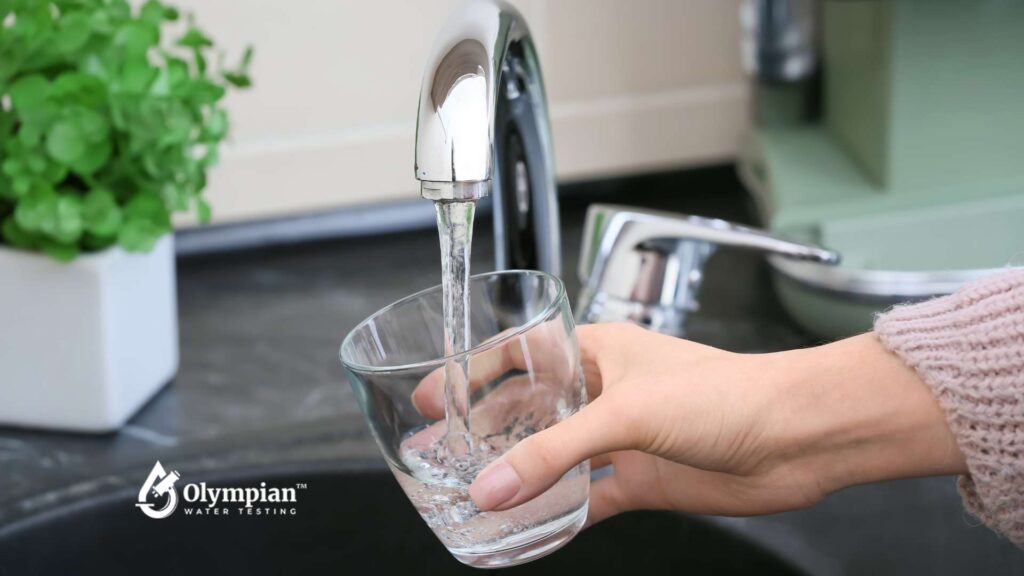
Louisiana is famous for its sweltering humidity and high temperatures, particularly during the summer months. Whether you are strolling through City Park or exploring the historic St. Louis Cathedral, staying hydrated is non-negotiable. Most cafes, restaurants, and bars in the French Quarter provide tap water for free. If you are ever in doubt or simply prefer a chilled experience, many establishments use high-quality filtration systems for their water service.
Tips for Sensitive Palates
If you are sensitive to the taste of municipal water or concerned about aging plumbing systems, there are simple solutions to ensure your comfort:
- Use Reusable Bottles: Bring a high-quality stainless steel or insulated water bottle. Many modern hotels, such as the Windsor Court Hotel, provide filtered water stations in their lobbies.
- Ice Considerations: The ice served in restaurants across New Orleans is produced using the same public water supply that is deemed safe. If the water itself passes safety regulations, the ice is equally safe for consumption.
- Bottled Water Alternatives: If you prefer bottled water, local markets and convenience stores throughout NOLA are well-stocked. However, keeping a reusable bottle and utilizing the city’s water fountains—which are regularly inspected—is a more sustainable and cost-effective way to remain hydrated.
Understanding Historical Plumbing and Infrastructure
The architectural charm of New Orleans is one of its greatest assets, but it comes with the reality of maintaining infrastructure that is often over 100 years old. When you book a stay at a boutique property in the Bywater or Tremé, you are essentially stepping back in time.
Why “Old Pipes” Can Be a Concern
Lead service lines were common in urban development during the 19th and early 20th centuries. While the city has made extensive efforts to replace main lines, some private properties may still have remnants of older plumbing. If you have specific health concerns regarding lead or copper levels in private residences or historic hotels, you can always ask the management if their building has undergone modern plumbing renovations or if they use point-of-use filtration systems. Most upscale hotels in the Central Business District have updated their systems entirely to ensure guest safety and satisfaction.
When to Exercise Extra Caution
There are rare instances, typically following severe weather events or major pipe bursts, when the local government might issue a “boil water advisory.” These are standard safety precautions used in every major city in the United States to protect public health when pressure levels drop or contamination risks arise.
- Stay Informed: Check local news outlets or the official Sewerage and Water Board website if you suspect there has been a significant weather event.
- Adhere to Advisories: If a boil water advisory is in effect, it applies to drinking, cooking, and brushing your teeth. During these brief windows, stick to bottled water until the advisory is lifted.

Conclusion: Making the Most of Your Trip
The bottom line is that New Orleans provides water that is safe for consumption, held to the same rigorous standards as the rest of the country. Visitors do not need to fear the tap. Instead, focus your energy on exploring the vibrant Crescent City culture, enjoying the world-class culinary scene, and immersing yourself in the unique history found at every corner, from the National WWII Museum to the lively jazz clubs on Frenchmen Street.
By staying informed about your surroundings and perhaps opting for a filtered bottle if you are particularly sensitive to taste, you can navigate your vacation with peace of mind. Whether you are sipping a classic Sazerac or simply drinking a tall glass of water after a long day of sightseeing, you can rest assured that your health and safety are a priority in this enchanting American city. Enjoy the music, the food, and the unparalleled hospitality that defines the unique spirit of Louisiana.
LifeOutOfTheBox is a participant in the Amazon Services LLC Associates Program, an affiliate advertising program designed to provide a means for sites to earn advertising fees by advertising and linking to Amazon.com. Amazon, the Amazon logo, AmazonSupply, and the AmazonSupply logo are trademarks of Amazon.com, Inc. or its affiliates. As an Amazon Associate we earn affiliate commissions from qualifying purchases.