
When planning a journey to the enchanting, jazz-filled streets of New Orleans, understanding the geography of the city is an essential first step for any traveler. Whether you are searching for the perfect neighborhood to book your stay or attempting to navigate the complex delivery and logistical landscape of this historic Louisiana hub, knowing the zip codes provides a structured way to categorize the city’s diverse districts. New Orleans is not a monolith; it is a collection of unique enclaves, each defined by its own atmosphere, history, and architectural charm.
Understanding the New Orleans Zip Code System
The city of New Orleans primarily utilizes zip codes that begin with the prefix 701. Because the city is built in a crescent shape along the Mississippi River, the physical layout is often referred to as the “Crescent City.” This geography influences how the zip codes are distributed across the urban landscape.
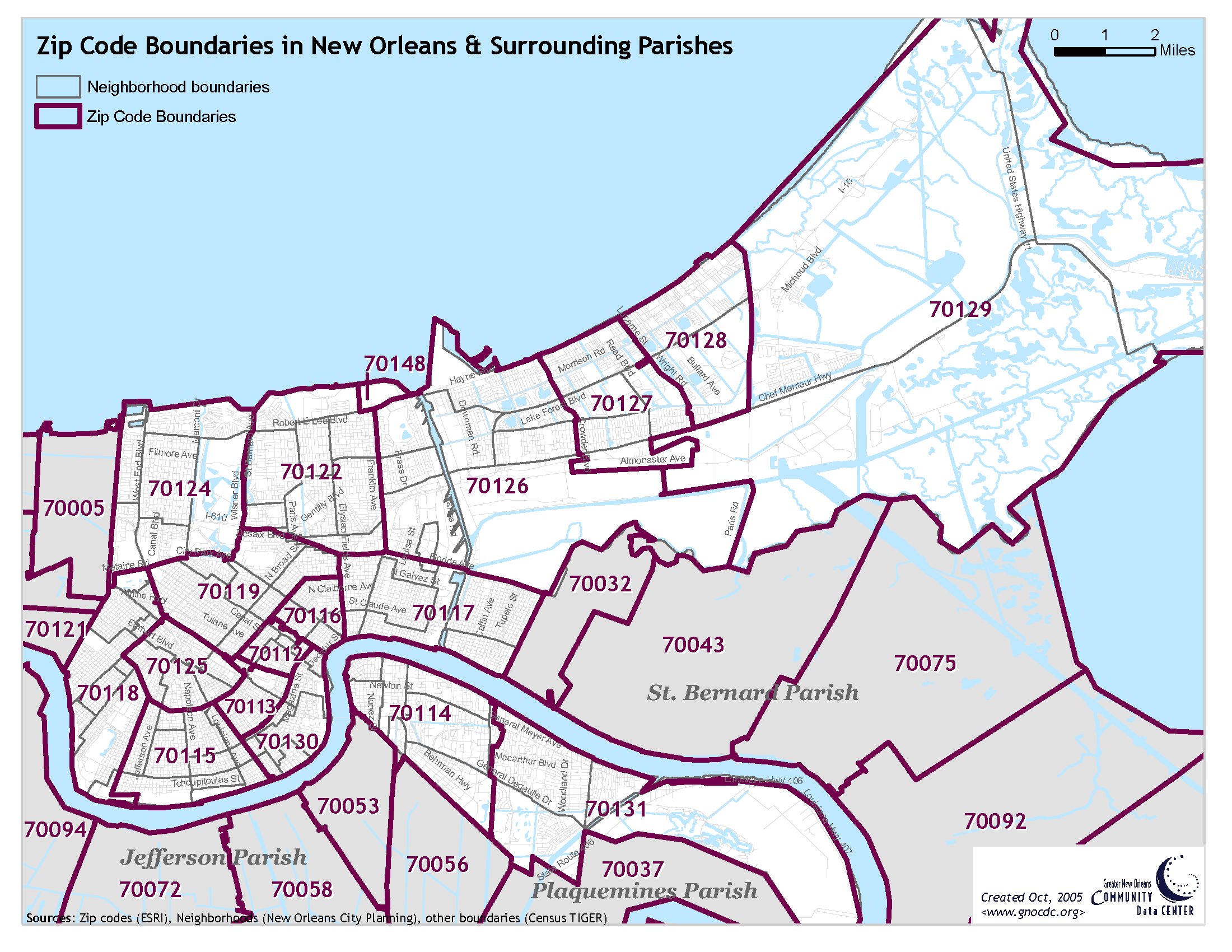
The Heart of the City: The 70130 and 70112 Zones
For those visiting the Central Business District or the iconic French Quarter, you will primarily encounter the 70130 and 70112 zip codes. These areas represent the commercial and historic core of the city. If you are staying in a high-rise hotel or a boutique suite near the Canal Street corridor, you are likely operating within these zones. This area is the engine of New Orleans tourism, housing major landmarks like Jackson Square and the world-famous Bourbon Street.
Exploring the Garden District and Uptown
Moving away from the river into the historic residential areas, you will encounter the 70115 and 70118 zip codes. The Garden District is famously located within the 70130 and 70115 areas. This section of the city is renowned for its majestic oak-lined streets, antebellum mansions, and the historic Lafayette Cemetery No. 1. For travelers who prefer a quieter, more scenic atmosphere compared to the bustling downtown core, these zip codes offer a glimpse into the opulent history of the Southern elite.
Strategic Planning for Your Visit
Knowing the zip code of your destination is more than just a logistical exercise; it helps in understanding the scale and accessibility of the city. While New Orleans is a compact city in many respects, the experience varies wildly depending on which side of the Pontchartrain Expressway or St. Charles Avenue you are navigating.
Choosing Your Neighborhood
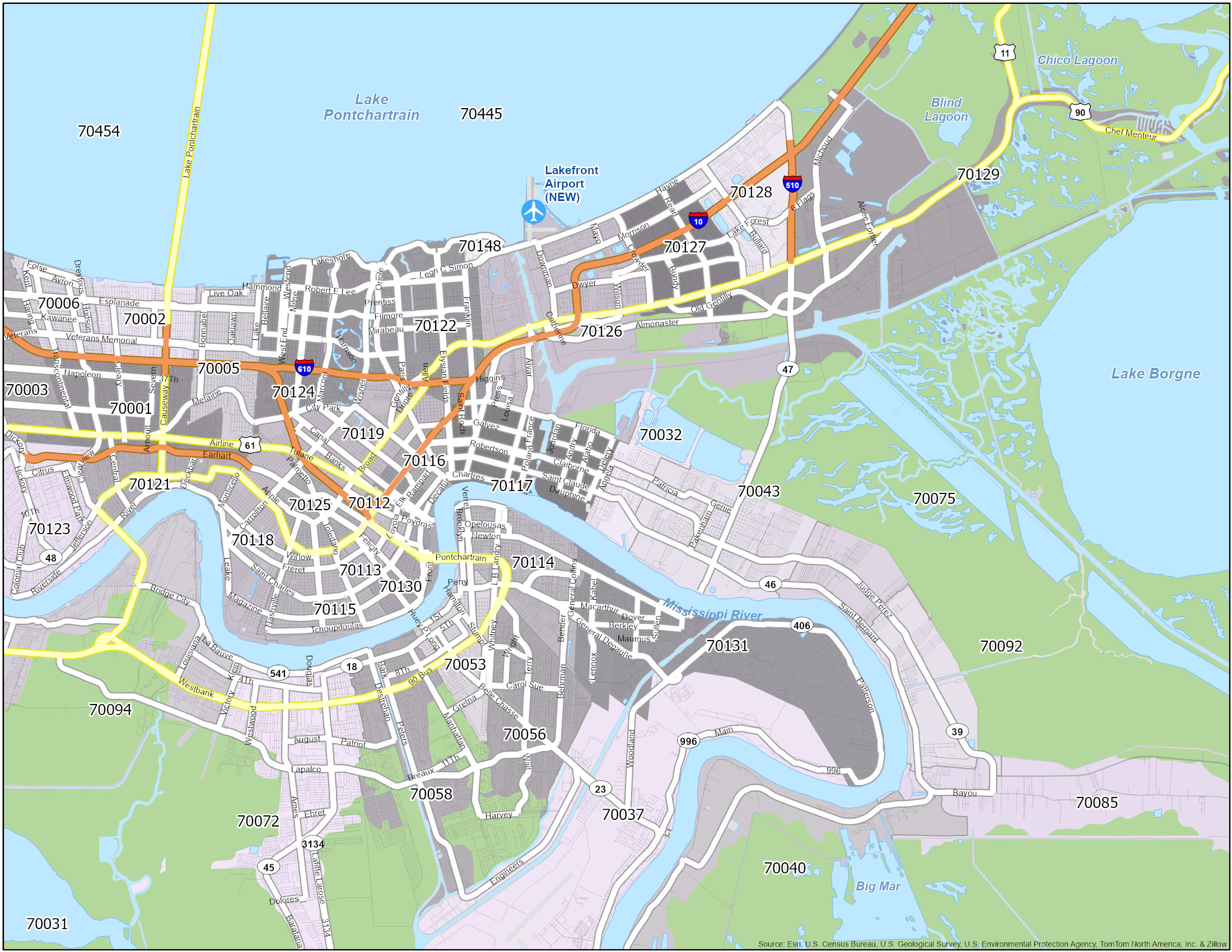
When you look at a map of New Orleans, the zip codes act as boundaries that help categorize different vibes.
- 70116: Encompasses the remainder of the French Quarter and the Faubourg Marigny. This area is famous for Frenchmen Street, where the local jazz scene thrives away from the tourist-heavy crowds.
- 70117: Covers the Bywater and Marigny neighborhoods. This district is known for its artsy, bohemian culture, brightly colored Creole cottages, and burgeoning culinary scene.
- 70119: Includes the Mid-City area, home to the sprawling City Park and the New Orleans Museum of Art.
Logistical Benefits for Tourists
If you are booking long-term accommodation, shipping luggage, or using ride-sharing applications, having the correct zip code ensures accuracy. Many travelers are surprised to learn how distinct each neighborhood is. A short ride across town can take you from the bustling, nightlife-heavy streets of the 70116 to the quiet, academic atmosphere near Tulane University in the 70118. Being aware of these codes allows you to set expectations for travel times and public transit usage via the historic St. Charles Streetcar Line.
Navigating Beyond the Map
While zip codes provide a rigid structure, the spirit of New Orleans is defined by its fluid culture. The city is a melting pot of French, Spanish, and African influences, all of which are reflected in the architecture you will find regardless of the zip code you choose to explore.
The Importance of Neighborhood Identity
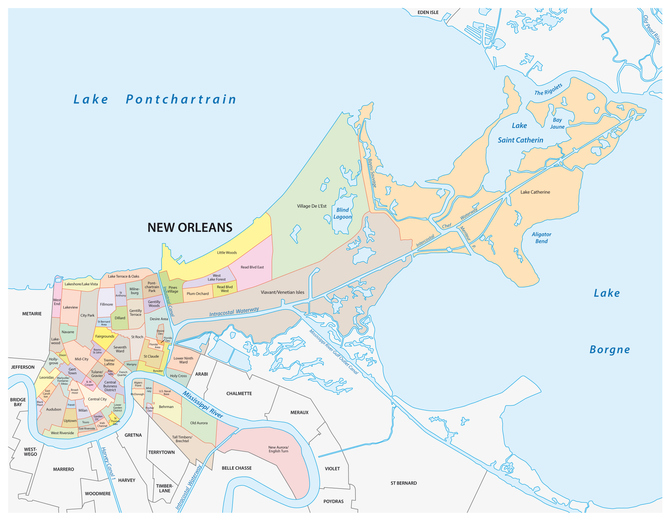
In New Orleans, locals often identify more with their neighborhood name than their zip code. Whether you find yourself in the Tremé, the oldest African American neighborhood in the United States, or the Warehouse District, the zip code is simply the underlying layer of a much richer story. When you visit the National WWII Museum, you are technically in the 70130, but you are experientially in a district defined by its transformation from industrial shipping warehouses to high-end galleries and fine dining establishments.
Tips for Travelers
For those organizing a visit, do not become overly fixated on the numbers. Instead, use the zip code to group your daily activities. Spend a morning in the Garden District (70115), head toward the Warehouse District (70130) for a world-class lunch, and finish your evening listening to live music on Frenchmen Street (70116). This strategic approach minimizes travel time and maximizes your exposure to the city’s unique cultural tapestry.
Embracing the Spirit of the City
At the end of the day, New Orleans is a city best explored on foot and with an open mind. While the zip code system is vital for mailing letters or confirming your booking at a local Bed and Breakfast, it is the people, the music, and the food that define your trip. From the beignets at Café Du Monde to the historic galleries along Royal Street, the soul of the city transcends postal boundaries.
As you finalize your plans, remember that the best experiences in Louisiana are often those that happen spontaneously. Whether you are staying in a luxury resort downtown or a quaint guesthouse tucked away in the residential streets of Uptown, you are never far from the heart of the Southern United States. Let the zip codes guide your logistics, but let your curiosity guide your itinerary. By understanding the distinct regions of the city, you move from being a mere tourist to a knowledgeable traveler who knows exactly how to navigate the beautiful, complex, and vibrant streets of one of the most unique cities in the world. Enjoy the music, savor the gumbo, and immerse yourself in the unparalleled history that makes this city a treasure of North America.
LifeOutOfTheBox is a participant in the Amazon Services LLC Associates Program, an affiliate advertising program designed to provide a means for sites to earn advertising fees by advertising and linking to Amazon.com. Amazon, the Amazon logo, AmazonSupply, and the AmazonSupply logo are trademarks of Amazon.com, Inc. or its affiliates. As an Amazon Associate we earn affiliate commissions from qualifying purchases.