
The French Quarter, known locally as the Vieux Carré, is the oldest and most iconic neighborhood in New Orleans. Stretching from Canal Street to Esplanade Avenue and from the Mississippi River to Rampart Street, this district is the historic heart of the city. It serves as the primary epicenter for tourism, nightlife, and cultural preservation, functioning as a living museum that chronicles three centuries of colonial influence, architectural evolution, and artistic expression.
The Architectural Heritage of the Vieux Carré
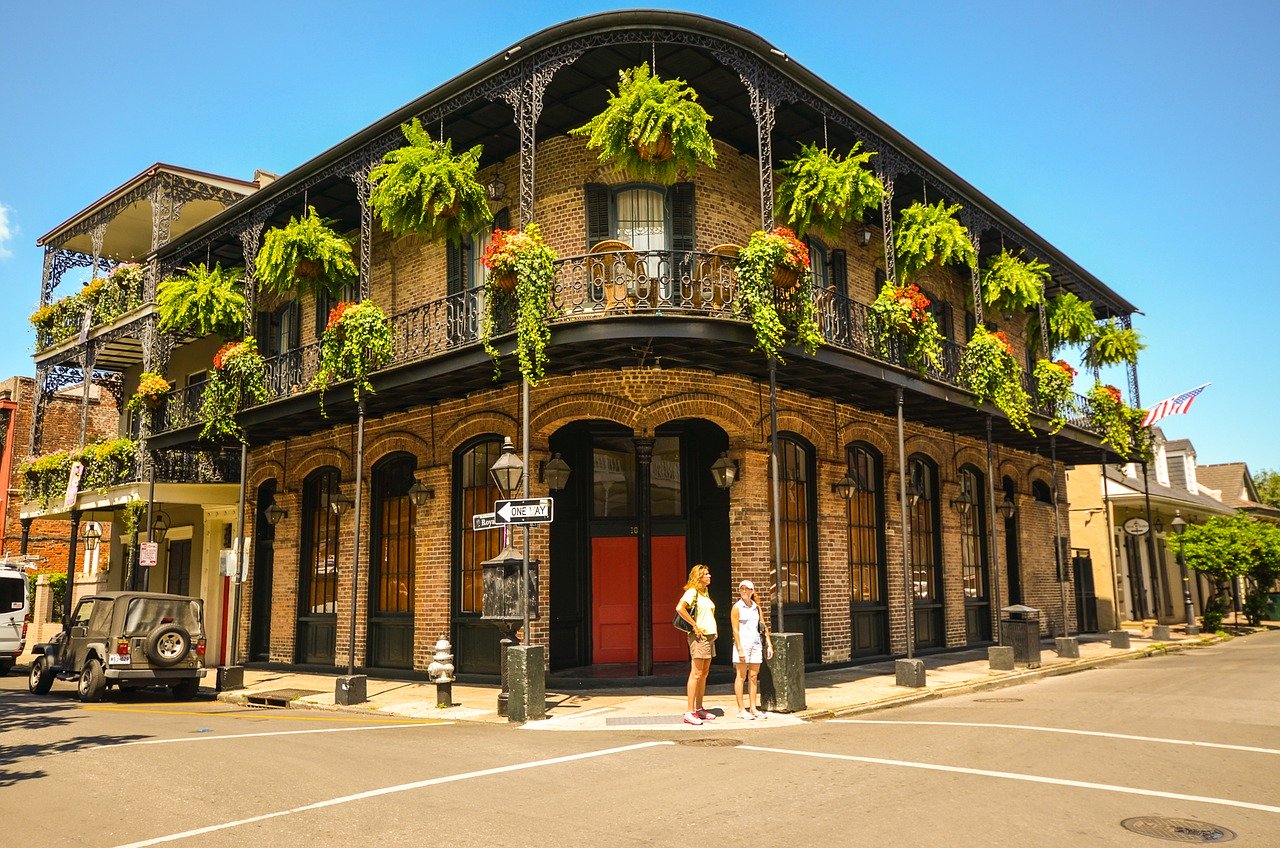
While the neighborhood is commonly referred to as the French Quarter, its actual architectural character is largely Spanish. This peculiar anomaly is the result of two devastating fires in 1788 and 1794 that destroyed much of the original French-built wooden infrastructure. When the Spanish Empire rebuilt the district, they implemented strict fire codes that mandated the use of brick, stucco, and courtyards.
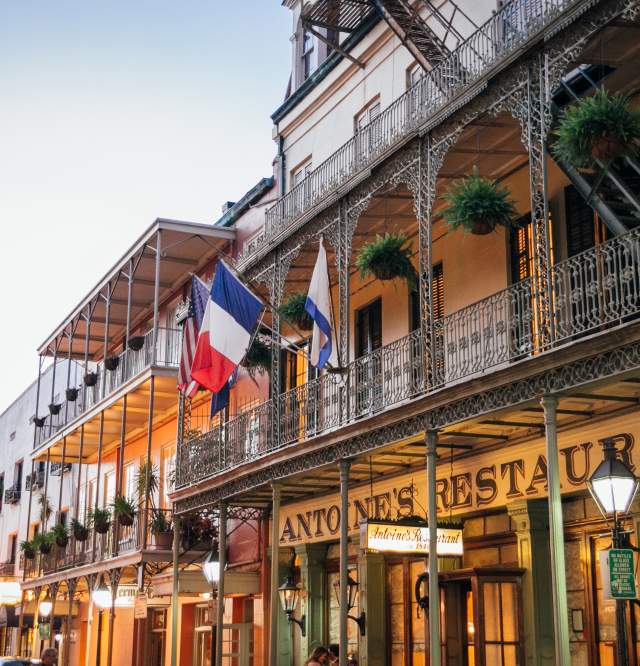
The Evolution of Ironwork and Balconies
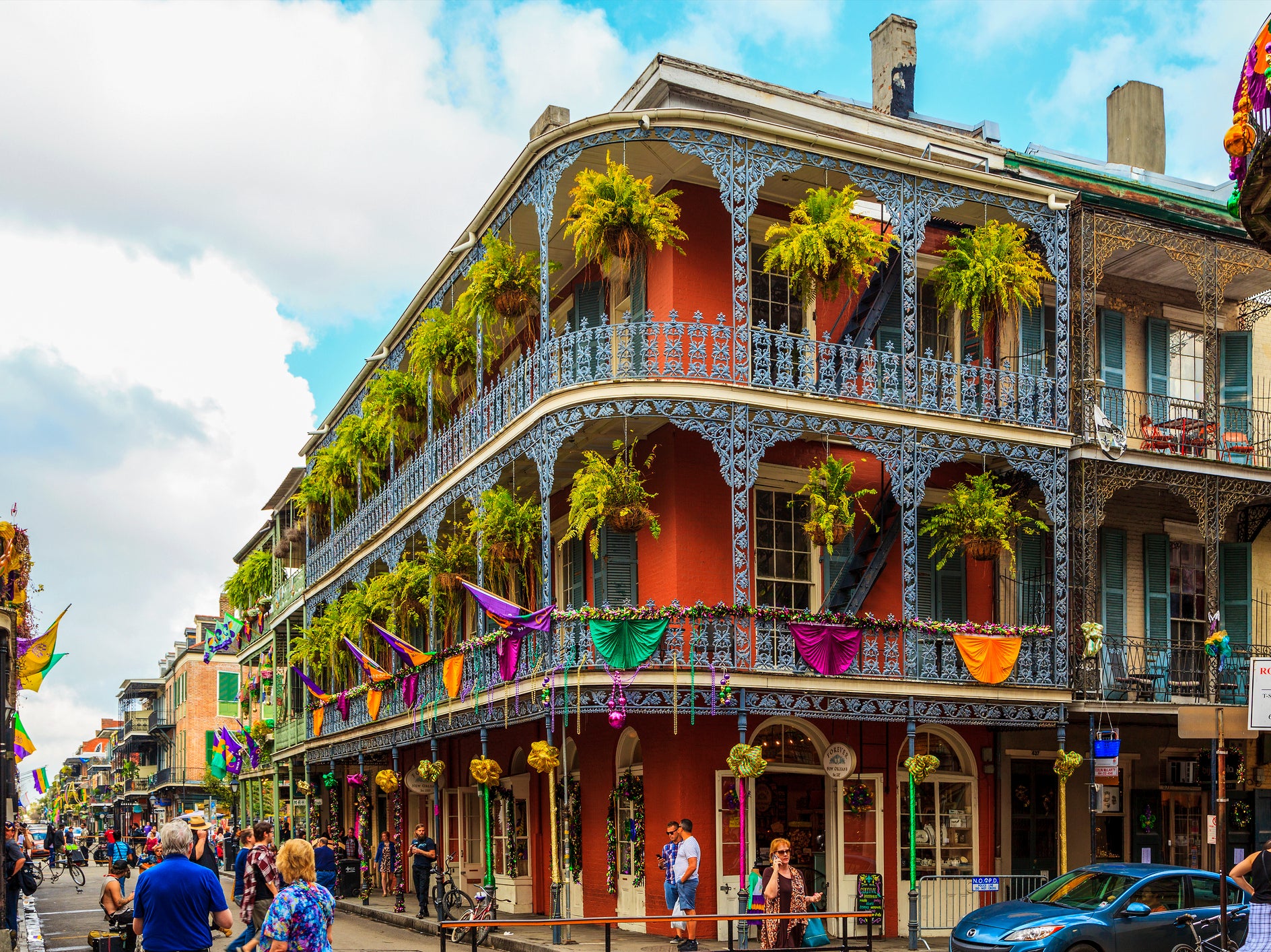
The iconic cast-iron galleries that define the streetscape were primarily added during the 19th century, well after the transition from Spanish to American rule. These elaborate, filigreed balconies provide shade for pedestrians below and private outdoor space for residents above. They create a “canyon” effect along narrow streets like Royal Street, where the interplay of light and shadow highlights the intricate patterns of the ironwork.
Preservation and Planning
The preservation of these structures is a testament to the Vieux Carré Commission, a regulatory body that has maintained the neighborhood’s integrity since 1936. By preventing modern demolition and ensuring that new construction adheres to the aesthetic of the existing colonial fabric, the commission has kept the district’s mid-18th-century footprint intact. Visitors wandering through the interior courtyards often discover lush, hidden gardens—private sanctuaries protected from the noise of the surrounding streets.
The Cultural Epicenter: Bourbon Street and Beyond
The French Quarter functions as a sensory overload, where the past and the present collide in a whirlwind of music, cuisine, and celebration. While Bourbon Street is globally recognized for its neon-lit nightlife, open-container laws, and revelry, the true soul of the neighborhood lies in its quieter, more sophisticated corners.
The Jazz Legacy
New Orleans is the birthplace of jazz, and the French Quarter remains one of the few places on earth where you can hear world-class brass and improvisational music on almost every corner. From the legendary stages of Preservation Hall to the spontaneous street performers near Jackson Square, music is the lifeblood of the district. The architecture itself—often featuring high ceilings and thick masonry—provides an accidental acoustic perfection that has nurtured generations of musicians.
Culinary Traditions
The food scene in the French Quarter is a reflection of the city’s complex demographic history. Visitors can experience a spectrum of dining, ranging from fine-dining establishments like Antoine’s Restaurant, the oldest family-run restaurant in the United States, to the late-night sugar rush provided by Cafe Du Monde. The local cuisine, characterized by a heavy reliance on the “holy trinity” of onions, bell peppers, and celery, serves as a culinary timeline of the cultures that have occupied the city: French, Spanish, African, and Caribbean.
Historic Landmarks and Spaces
To understand the French Quarter, one must look at the specific structures that anchored early colonial life. These landmarks represent the intersection of government, religion, and commerce that dictated the development of the city.
Jackson Square and St. Louis Cathedral
The physical and spiritual center of the district is Jackson Square, formerly known as the Place d’Armes. Dominated by the soaring spires of the St. Louis Cathedral—the oldest active cathedral in the United States—the square is where historical events such as the Louisiana Purchase were formalized. Today, the square is a hub for artists, palm readers, and musicians who continue the tradition of public gathering that has persisted for over 250 years.
The French Market District
Stretching along the riverfront, the French Market has been a site of trade since the days of Native Americans who gathered here to exchange goods with early European settlers. It currently serves as a bustling public market, offering everything from local produce and artisanal crafts to spices and souvenirs. It stands as a reminder that the French Quarter was designed first and foremost as a commercial hub for the Gulf Coast.
Navigating the Vieux Carré
Exploring this historic neighborhood requires a blend of planning and spontaneity. Unlike many American cities designed for automobiles, the French Quarter was built for pedestrians. The narrow streets, which were laid out by Adrien de Pauger in 1721, are essentially gridlocked for cars, making walking the most efficient way to appreciate the fine details of the district.
The Importance of Walking
Walking allows for the discovery of “shotgun houses” and “Creole cottages” tucked away on streets like Chartres Street or Ursulines Avenue. These structures are unique to the region, featuring narrow facades and steep-pitched roofs, designed to optimize ventilation in the humid Louisiana climate. By traversing these blocks on foot, visitors can observe the shift from the commercial density of the riverfront to the quiet, residential feel of the northern boundary.
Safety and Local Etiquette
While the area is highly policed and generally safe for tourists, it is an active, living neighborhood. Respect for the residents—many of whom occupy historic apartments and homes—is paramount. Travelers are encouraged to utilize guided walking tours to gain a deeper historical perspective, as the signage and architecture often hide stories of tragedy, triumph, and cultural transformation that aren’t immediately obvious to the casual observer.
Seasonal Considerations
The experience of the French Quarter changes drastically depending on the time of year. During Mardi Gras, the neighborhood transforms into a chaotic, vibrant festival grounds. In the cooler months, such as November or April, the climate is ideal for long afternoons spent sitting in sidewalk cafes or exploring the Gallier House and other museum-style historic homes. Regardless of the season, the French Quarter remains a primary anchor for tourism, consistently drawing millions of visitors who come to witness the unique alchemy of history and hedonism that only New Orleans can provide.
Ultimately, the French Quarter is more than just a cluster of historic buildings or a nightlife district. It is a dense, high-pressure zone of human history that has absorbed influences from three continents and multiple centuries. Whether one is interested in the intricate ironwork of the balconies, the smoky notes of a jazz saxophone drifting from a doorway, or the deep, complex flavors of authentic creole gumbo, the Vieux Carré offers a singular, irreplaceable experience in American travel. It is a place that refuses to be static, continually reinventing its relationship with its past while remaining firmly rooted in the geography that first made its existence possible.
LifeOutOfTheBox is a participant in the Amazon Services LLC Associates Program, an affiliate advertising program designed to provide a means for sites to earn advertising fees by advertising and linking to Amazon.com. Amazon, the Amazon logo, AmazonSupply, and the AmazonSupply logo are trademarks of Amazon.com, Inc. or its affiliates. As an Amazon Associate we earn affiliate commissions from qualifying purchases.