
When planning a trip to New Orleans, travelers often find themselves navigating a maze of logistical questions. Beyond the famous jazz clubs, historic architecture, and world-class cuisine, understanding the geography of this vibrant Louisiana city is essential for a seamless visit. While many people search for a single “New Orleans zip code,” the reality is that this iconic destination is a sprawling metropolis comprised of numerous unique neighborhoods, each serving its own specific postal designation.
Understanding the Geographic Complexity of New Orleans
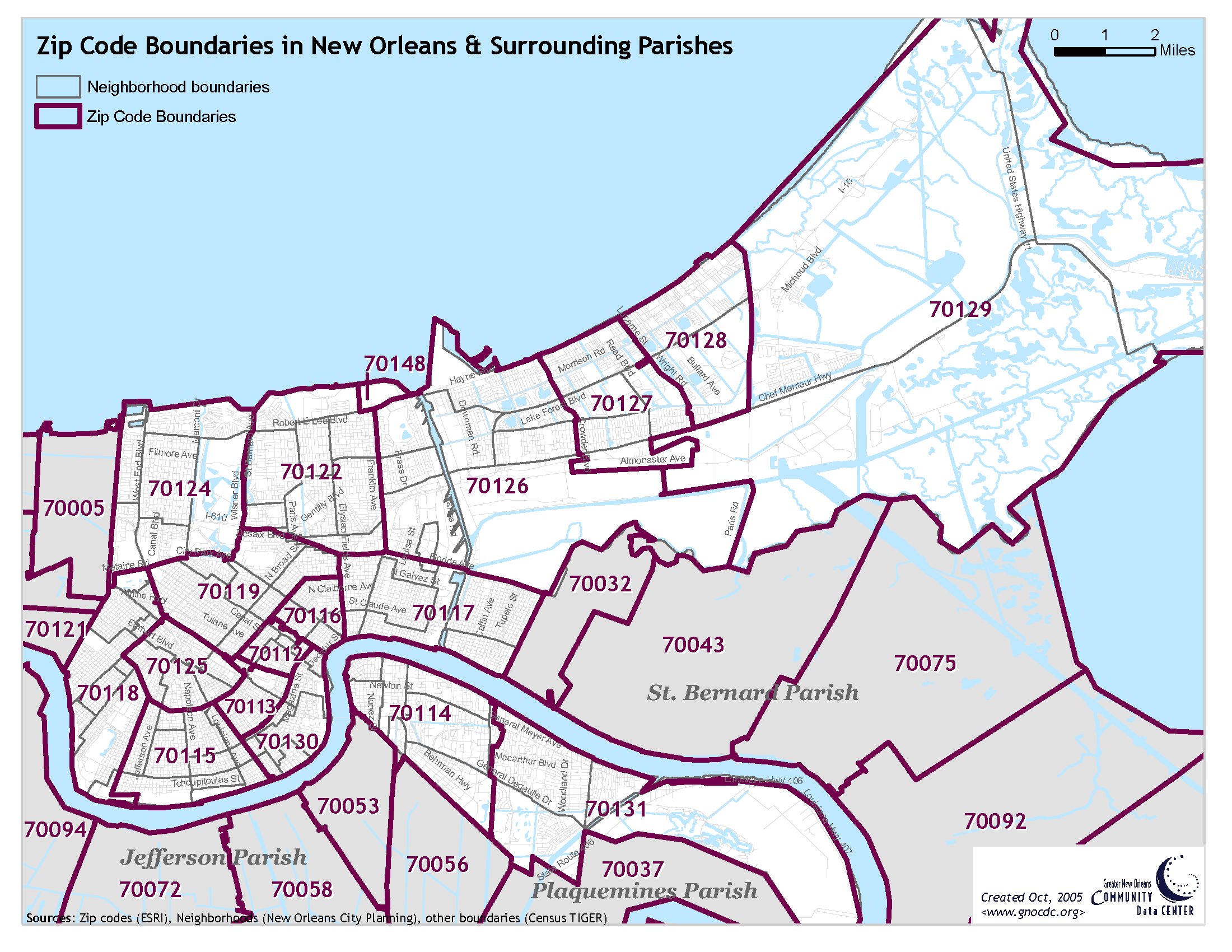
The postal structure of New Orleans is as layered as its history. Because the city covers a significant amount of land area, ranging from the banks of the Mississippi River to the edges of Lake Pontchartrain, it is divided into multiple zones.
The French Quarter and Central Business District
For the majority of tourists, the heart of the experience lies within the French Quarter. If you are sending a postcard from the historic Jackson Square or staying in a hotel near Bourbon Street, your mail will likely be processed through the 70130 zip code. This area serves as the commercial and cultural nucleus of the city, encompassing the Central Business District and parts of the Warehouse District.
Residential Neighborhoods and Beyond
As you venture further into neighborhoods like the Garden District, the zip codes shift to 70115 or 70130, depending on your proximity to St. Charles Avenue. These areas, famous for their antebellum mansions and lush greenery, feel like entirely different cities compared to the bustling, tourist-heavy streets of the Faubourg Marigny. Understanding these nuances helps travelers navigate logistics, especially when arranging private transport or locating specific venues like the Superdome.
Navigating Logistics for Tourists
When visiting New Orleans, you rarely need to worry about the specific zip code unless you are shipping purchases home or booking specialized courier services for event planning. However, having a general grasp of the layout can prevent confusion when using ride-sharing apps or setting GPS coordinates.
Why Zip Codes Matter for Your Itinerary
If you are flying into the Louis Armstrong New Orleans International Airport, you are technically entering the city through Kenner. Many visitors make the mistake of assuming the airport is located deep within the French Quarter, but it sits roughly 15 miles away. Knowing that the airport operates under a different municipal jurisdiction—and thus, a different set of zip codes—helps in estimating travel time and managing your arrival expectations.
Logistics in the Garden District
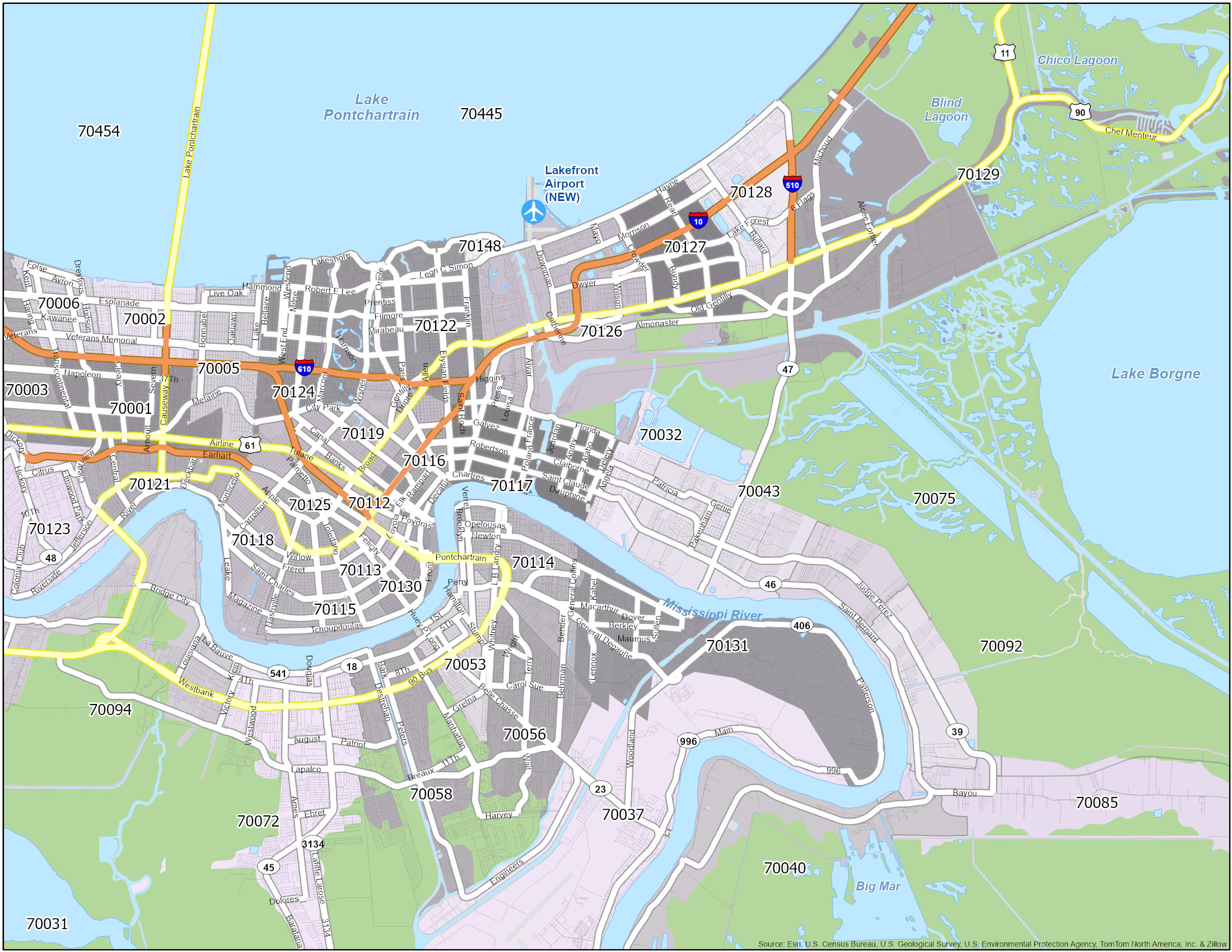
If your itinerary includes a stay in the Garden District, you are likely looking at the 70115 area. This is a crucial distinction for visitors interested in walking tours of the Lafayette Cemetery No. 1. Being aware of your relative position within these zip codes ensures that you can effectively plan your transit routes, whether you are taking the historic St. Charles Streetcar or utilizing modern ride-shares to get to Magazine Street for an afternoon of shopping and dining.
Essential Tips for Exploring the Crescent City
Beyond postal codes and street maps, New Orleans is a city that demands a flexible, experiential approach to travel. Whether you are visiting the Audubon Aquarium of the Americas or exploring the culinary delights of Commander’s Palace, preparation is the key to enjoyment.
Cultural Navigation
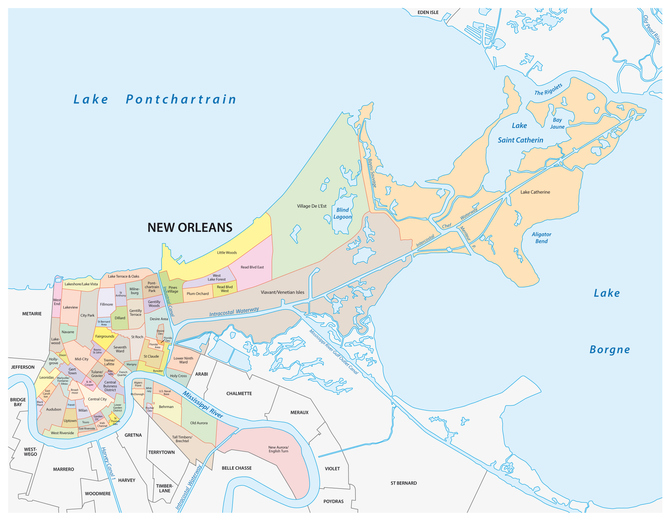
The “Crescent City” is defined by its micro-communities. The Bywater district, for example, offers an entirely different vibe from the Treme, which is historically significant as the oldest African American neighborhood in the United States. When you understand that these neighborhoods fall under different administrative umbrellas, you gain a better appreciation for how the city has maintained its distinct pockets of culture over centuries.
Planning Your Transportation
- Streetcars: The iconic green cars are a must-do. When boarding near the Riverbend area, remember that you are moving from one neighborhood’s postal zone to another.
- Ride-Sharing: Apps often default to neighborhood names rather than zip codes. If your destination is the National WWII Museum, rely on the venue name rather than the code.
- Walking Tours: Many of the best experiences in New Orleans are best done on foot. Areas like Jackson Square are condensed, meaning a single zip code covers a vast number of attractions.
Making the Most of Your Trip
Ultimately, the exact zip code of your hotel or destination in New Orleans is a small detail in the grand scheme of your trip. However, acknowledging the city’s vast geography is an excellent way to prepare for the diversity of experiences that await. From the high-energy streets of Bourbon Street to the serene atmosphere of the City Park, the city is designed to be explored in sections.
Local Customs and Etiquette
While navigating through these various zones, keep in mind that New Orleans locals value hospitality and storytelling. If you find yourself lost, asking a local for directions—rather than strictly relying on a digital map—will almost always result in a more colorful and accurate guide to your destination. They can tell you exactly how to get to Cafe du Monde or the best way to bypass traffic when heading toward Metairie.
Final Considerations
When you finally arrive, take a moment to look at your surroundings. Notice how the architecture changes as you move from the French Quarter into the Central Business District and beyond to the Garden District. These shifts in scenery are the true indicators of your location, far more than any numeric postal code. Enjoy the rhythm of the Mississippi River flowing nearby and the sound of distant brass bands; these are the markers that define the soul of New Orleans, regardless of where you are on the map. Your trip to Louisiana is an invitation to discover a city that defies easy classification, offering a unique experience in every neighborhood you visit.
LifeOutOfTheBox is a participant in the Amazon Services LLC Associates Program, an affiliate advertising program designed to provide a means for sites to earn advertising fees by advertising and linking to Amazon.com. Amazon, the Amazon logo, AmazonSupply, and the AmazonSupply logo are trademarks of Amazon.com, Inc. or its affiliates. As an Amazon Associate we earn affiliate commissions from qualifying purchases.