
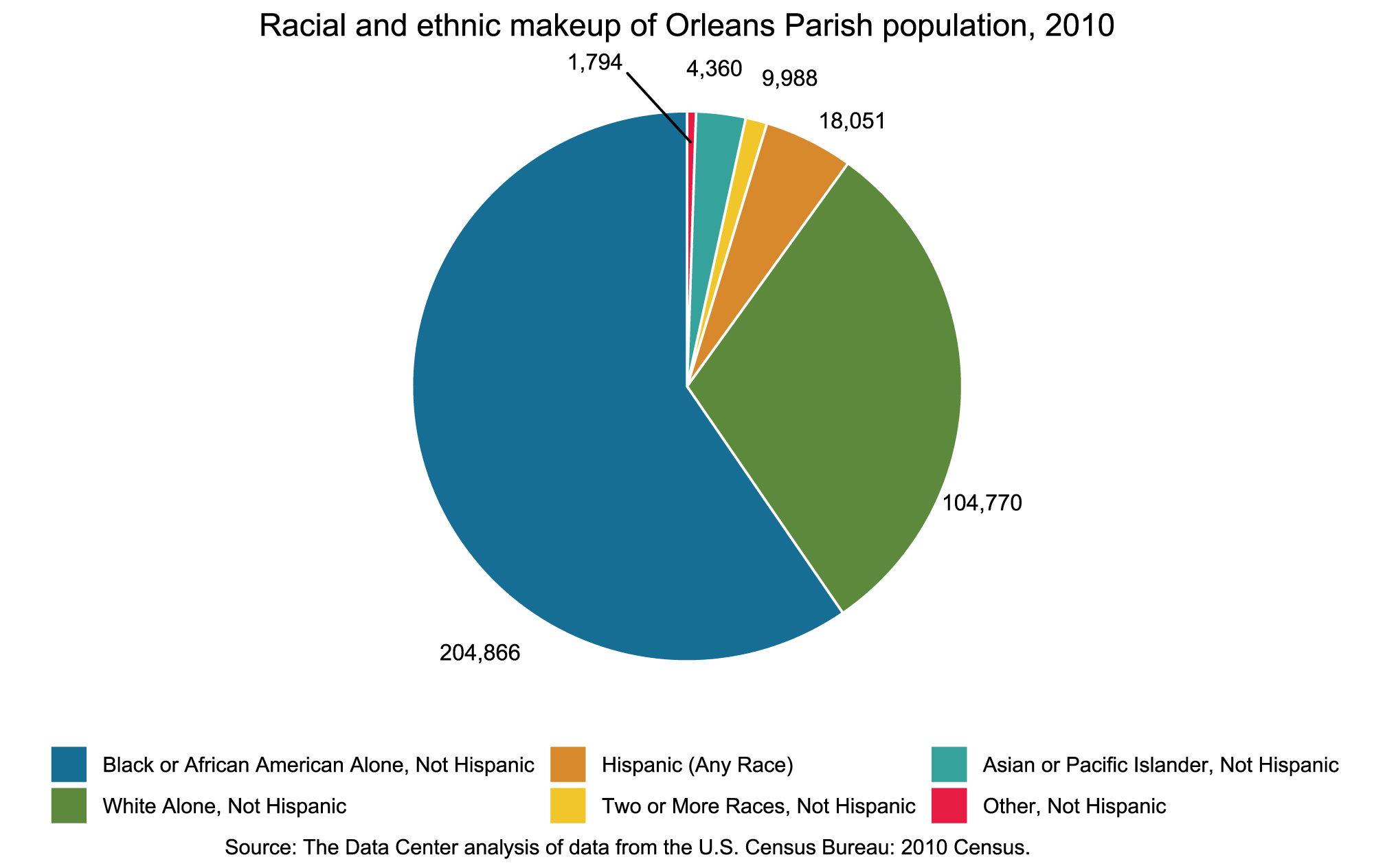
New Orleans, the crown jewel of Louisiana, is a city defined by its rhythmic pulse, its culinary genius, and its profound historical depth. To understand the soul of this metropolis, one must look at the demographics that have shaped its unique social fabric. Central to this identity is the city’s Black population, which has remained a dominant cultural and social force for centuries. When asking, “What percent of New Orleans is Black?” we are essentially asking about the core of the city’s heritage. Recent census data indicates that the Black population of New Orleans accounts for approximately 58% to 60% of the total residency, a figure that highlights the deep, inextricable connection between the city’s survival, its vibrancy, and its African American roots.
The Historical Foundations of Identity
The demographic landscape of the city was not formed in a vacuum; it is the result of centuries of complex historical trajectories, spanning colonial rule, the transatlantic slave trade, and the resilience of a people who turned their struggle into art, music, and social movements.
The Colonial Era and Cultural Fusion
In the early days of the French Quarter, the blending of African, French, and Spanish traditions created a distinct society. Unlike many other parts of the United States, the unique status of the “Free People of Color” in the 18th and 19th centuries allowed for a flourishing of architectural, culinary, and musical innovation. This period solidified a demographic reality that persists today: Black culture is not an adjunct to the city’s life, but the foundation upon which its reputation as a global destination is built.
The Resilience of the 21st Century
The demographic profile of New Orleans shifted significantly following the catastrophic impact of Hurricane Katrina. The displacement of many residents prompted a long-term conversation about equity, housing, and the return of the city’s original inhabitants. Despite the massive disruption, the Black population remains the largest demographic group, continuing to lead the city’s political, social, and cultural discourse. This resilience is visible in the revitalization of historic neighborhoods that serve as the heartbeat of the city’s daily life.
Cultural Landscapes and Neighborhoods
To appreciate the demographic composition of the city, one must visit the neighborhoods where that culture is lived out daily. These areas are not just residential zones; they are monuments to history and hubs of contemporary creativity.
Treme and the Birth of Jazz
The Treme neighborhood is widely recognized as one of the oldest African American communities in the country. It is here that the syncopated rhythms of brass bands originated, leading to the birth of jazz. When walking through the streets of Treme, one is walking through the living history of Black New Orleans. Visitors often flock to Congo Square, located within Louis Armstrong Park, where enslaved people were once permitted to gather, dance, and preserve their cultural traditions. This site is a cornerstone of the city’s identity.
The Ninth Ward and Community Spirit
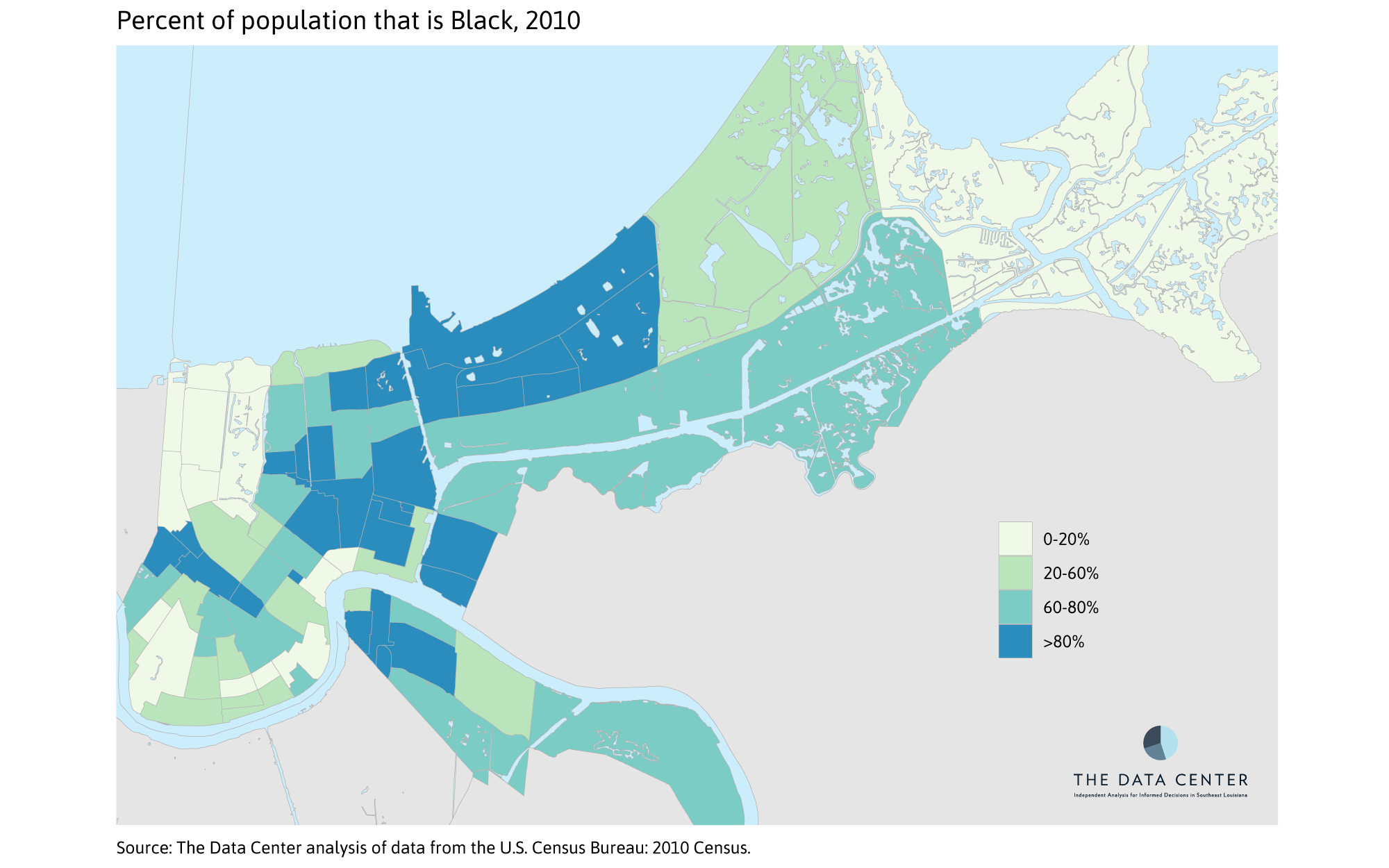
The Lower Ninth Ward and the broader Upper Ninth Ward represent the steadfast spirit of local residents. Throughout the history of the city, these communities have maintained a strong sense of unity. Tourism here is less about commercial attractions and more about acknowledging the strength of the community, supporting local businesses, and understanding the ongoing efforts toward neighborhood preservation.
The Cultural Influence on Tourism
The high percentage of the Black population in the city is the primary driver of what makes the city a world-class destination. The food, the music, and the festivals are direct expressions of this heritage.
Gastronomy as Heritage
The culinary landscape of the city is perhaps its most famous export. From the complex flavors of gumbo to the history of Creole cuisine, the food culture is a direct reflection of West African, Caribbean, and European influences. Restaurants found throughout Garden District or Marigny rely on recipes that have been passed down through generations, many of which have been preserved by the city’s Black chefs and home cooks.
The Rhythms of the Street
It is impossible to discuss the city’s identity without mentioning the Second Line parades and the Mardi Gras Indians. These traditions, organized and performed by Black social aid and pleasure clubs, offer a window into a culture that values communal celebration over everything else. The Backstreet Cultural Museum serves as an essential stop for those who wish to learn about the intricate beadwork, the history of the Mardi Gras Indians, and the organizational power of these local clubs.
Understanding the Demographic Impact
Data provides a snapshot, but the experience provides the narrative. When we examine the percentage of Black residents in New Orleans, we are examining a story of survival and cultural dominance.
Education and Empowerment
The city has seen a rise in Black-led educational initiatives and non-profits dedicated to preserving local history. These organizations ensure that the next generation understands the significance of their heritage. Institutions such as Dillard University and Xavier University of Louisiana continue to serve as academic anchors, fostering intellectual growth and community involvement that keeps the city’s demographic and cultural influence strong.

The Future of the City
As the city continues to evolve, the challenge lies in balancing tourism with the needs of its residents. For visitors, the most respectful and rewarding way to experience the city is by engaging with its authentic culture. This means supporting businesses owned by Black entrepreneurs, visiting cultural museums, and participating in neighborhood-based tours that prioritize the voices of the people who have called this city home for generations.
The high percentage of Black residents in New Orleans is not just a statistical fact—it is the very essence of the city. From the jazz clubs of Frenchmen Street to the historic galleries of the New Orleans Museum of Art, the influence is everywhere. By recognizing this demographic reality, travelers can gain a much deeper appreciation for the complexities and the undeniable beauty of this legendary destination. Whether you are exploring the architecture of the Bywater or listening to a brass band in a neighborhood park, you are experiencing the enduring legacy of a people who have defined the spirit of the South. The soul of the city remains as vibrant, defiant, and creative as ever, serving as a testament to the community that anchors it.
LifeOutOfTheBox is a participant in the Amazon Services LLC Associates Program, an affiliate advertising program designed to provide a means for sites to earn advertising fees by advertising and linking to Amazon.com. Amazon, the Amazon logo, AmazonSupply, and the AmazonSupply logo are trademarks of Amazon.com, Inc. or its affiliates. As an Amazon Associate we earn affiliate commissions from qualifying purchases.