
When planning a trip to the soulful, rhythm-filled streets of New Orleans, one of the most practical logistical questions travelers often ask is simply: what time zone is it? Knowing the time is essential for syncing your arrival, coordinating dinner reservations, and ensuring you don’t miss the start of a legendary brass band performance in the French Quarter.
New Orleans operates on Central Time. Specifically, this historic Louisiana hub observes Central Standard Time (CST) during the winter months and Central Daylight Time (CDT) during the warmer, busier tourist season. Whether you are flying in for Mardi Gras or exploring the historic Garden District, understanding this time zone is the first step to mastering your itinerary.
Navigating Time in the Crescent City
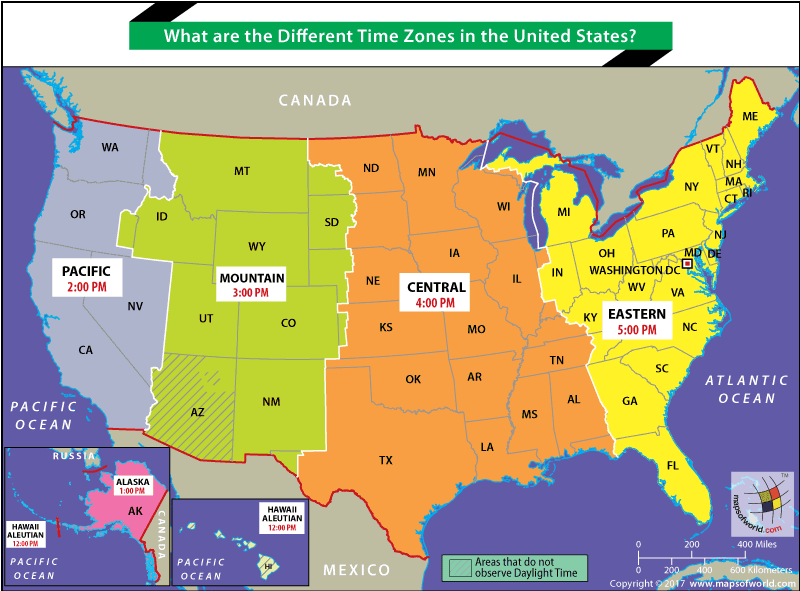
The United States is divided into four main time zones, and New Orleans sits firmly within the Central Time Zone. For travelers arriving from the East Coast, you will find yourself gaining an hour as you head west, while those arriving from the West Coast will find they have lost two hours in the transition.
Central Standard Time vs. Central Daylight Time
Like much of the United States, New Orleans adheres to Daylight Saving Time. This means that from early March to early November, the city operates on Central Daylight Time (CDT), which is UTC-5. During the remainder of the year, it shifts to Central Standard Time (CST), which is UTC-6.
For tourists, this shift is mostly seamless. Most smartphones and digital devices update automatically once they connect to a local cell tower near Louis Armstrong New Orleans International Airport. However, if you are relying on mechanical watches or older technology, it is wise to adjust your time manually upon landing to ensure you aren’t an hour late for a tour of the St. Louis Cathedral or a ghost walk in Jackson Square.
Why Time Management Matters in New Orleans
In a city that moves to its own beat—literally—time management is a bit different than in a fast-paced metropolis like New York City. While the local culture encourages a “laissez-faire” approach to life, specific attractions and experiences operate on rigid schedules. If you have booked a steaming bowl of gumbo at a popular eatery on Bourbon Street or a jazz cruise along the Mississippi River, being on the correct time is paramount.
Maximizing Your Travel Schedule
Understanding the time zone is about more than just setting your watch; it is about optimizing your day to experience the best that New Orleans has to offer. By aligning your internal clock with the city’s natural rhythm, you can ensure you are awake for the early morning beignets at Cafe Du Monde and the late-night revelry that defines the Frenchmen Street music scene.
The Benefit of the Central Time Zone
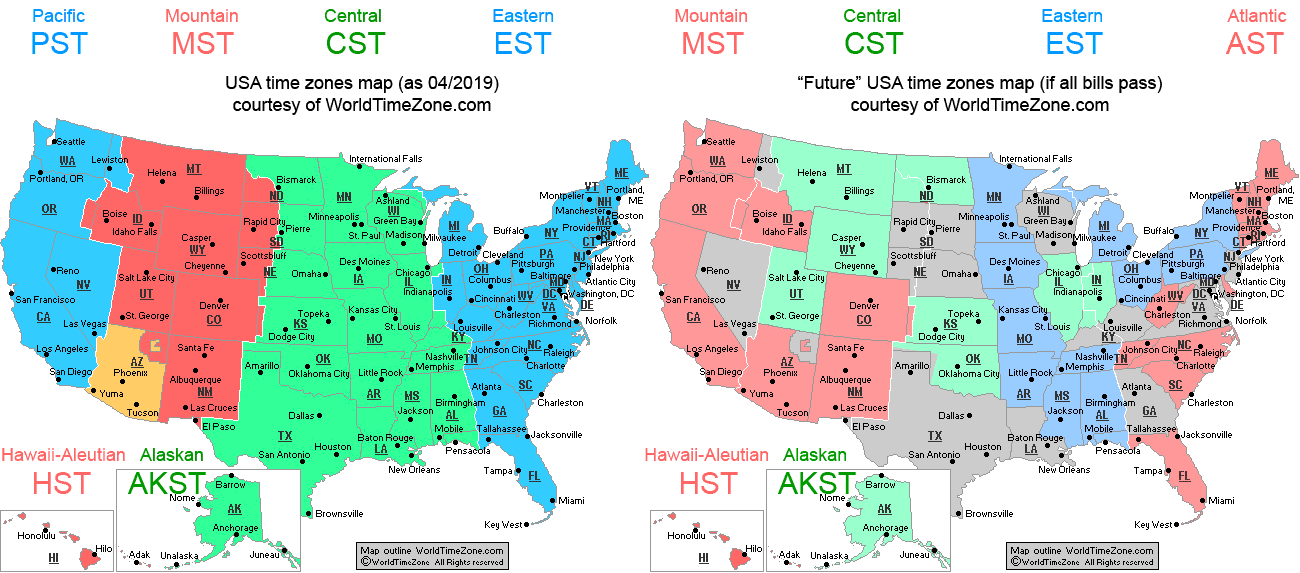
Because New Orleans is centrally located, it is an ideal meeting point for travelers coming from all over North America. If you are coordinating a family reunion or a business trip involving colleagues from Chicago, Dallas, or Atlanta, everyone will be on the same page. This lack of time difference between major regional hubs makes New Orleans a highly accessible destination for domestic travel.
Tips for Combating Jet Lag
Even though the time difference between major cities might be small, long travel days can still disrupt your sleep cycle. To make the most of your trip to Louisiana:
- Sync Immediately: Change your watch and phone to the Central Time Zone the moment you board your flight.
- Prioritize Sunlight: Spend your first afternoon walking through City Park or visiting the Audubon Aquarium of the Americas. Natural light helps your body adjust to the local time faster.
- Hydrate: Air travel is notoriously dehydrating. Drink plenty of water to help your body recover and adapt to the local schedule.
Cultural Rhythms and Local Time
In New Orleans, the concept of time is often viewed through a cultural lens. The city is famous for its vibrant nightlife, which often continues well past the hours kept in other major cities. While businesses in the Central Business District generally operate on a traditional 9-to-5 schedule, the cultural heartbeat of the city often begins just as the sun sets.
Understanding Business Hours vs. Leisure Hours
When planning your trip, distinguish between the time of day when you visit museums like the National World War II Museum and when you engage in the nightlife. Most tourist-focused attractions will have specific opening and closing times that are strictly enforced based on Central Time.
Conversely, the restaurants in the Marigny or the bars along Royal Street may operate on a more flexible schedule. Checking the official websites of these venues is crucial because while the time zone is constant, the operating hours are determined by the local pulse of the city.
Planning for Seasonal Changes
The shift between Daylight Saving Time and Standard Time can occasionally catch visitors off guard. For example, if you are visiting in November, be aware that when the clocks “fall back,” the sun will set noticeably earlier. This changes the atmosphere of the city—dusk arrives quickly, turning the historic streets into a moody, atmospheric landscape perfect for photography or an evening stroll toward the Superdome.
Conversely, in the height of summer, the longer daylight hours provided by Central Daylight Time allow for more exploration, making it possible to visit the New Orleans Museum of Art and still have plenty of time for an evening dinner in the Warehouse District.

Essential Logistics for the Savvy Traveler
To wrap up your preparation, keep these final logistical points in mind regarding time in Louisiana.
- Group Tours: Many group tours, such as those through the Faubourg Marigny or Bywater, rely on a strict schedule. If your tour is scheduled for 10:00 AM, arrive at the meeting point ten minutes early, regardless of the time zone you traveled from.
- Reservations: If you have made dinner reservations at iconic establishments like Commander’s Palace, remember that these high-demand spots operate on strict booking windows. Being in the correct time zone is essential to hold your place.
- Digital Tools: Utilize the world clock feature on your smartphone. By adding New Orleans as a primary location, you can quickly see the difference between your home time and local time at a glance.
The charm of New Orleans is that it encourages you to slow down and savor the moment. Whether you are adjusting your watch to Central Time or simply losing track of the hours while listening to live jazz, the city provides an environment that is as welcoming as it is historic. By respecting the local time zone and planning your itinerary with these tips in mind, you ensure that your journey through the Southern United States is smooth, stress-free, and perfectly timed to enjoy every second of the local culture. From the quiet morning mist on the Mississippi River to the electric energy of the evening, New Orleans awaits your arrival on its own unique time.
LifeOutOfTheBox is a participant in the Amazon Services LLC Associates Program, an affiliate advertising program designed to provide a means for sites to earn advertising fees by advertising and linking to Amazon.com. Amazon, the Amazon logo, AmazonSupply, and the AmazonSupply logo are trademarks of Amazon.com, Inc. or its affiliates. As an Amazon Associate we earn affiliate commissions from qualifying purchases.