
The history of New Orleans is a complex tapestry woven with resilience, cultural vibrancy, and moments of profound challenge. Among the most significant chapters in the story of this iconic United States city is the arrival of Hurricane Katrina, a storm that fundamentally reshaped the landscape, architecture, and social fabric of the region. To understand the modern identity of the city, one must first look back at the events of 2005.
The Timeline of the Storm
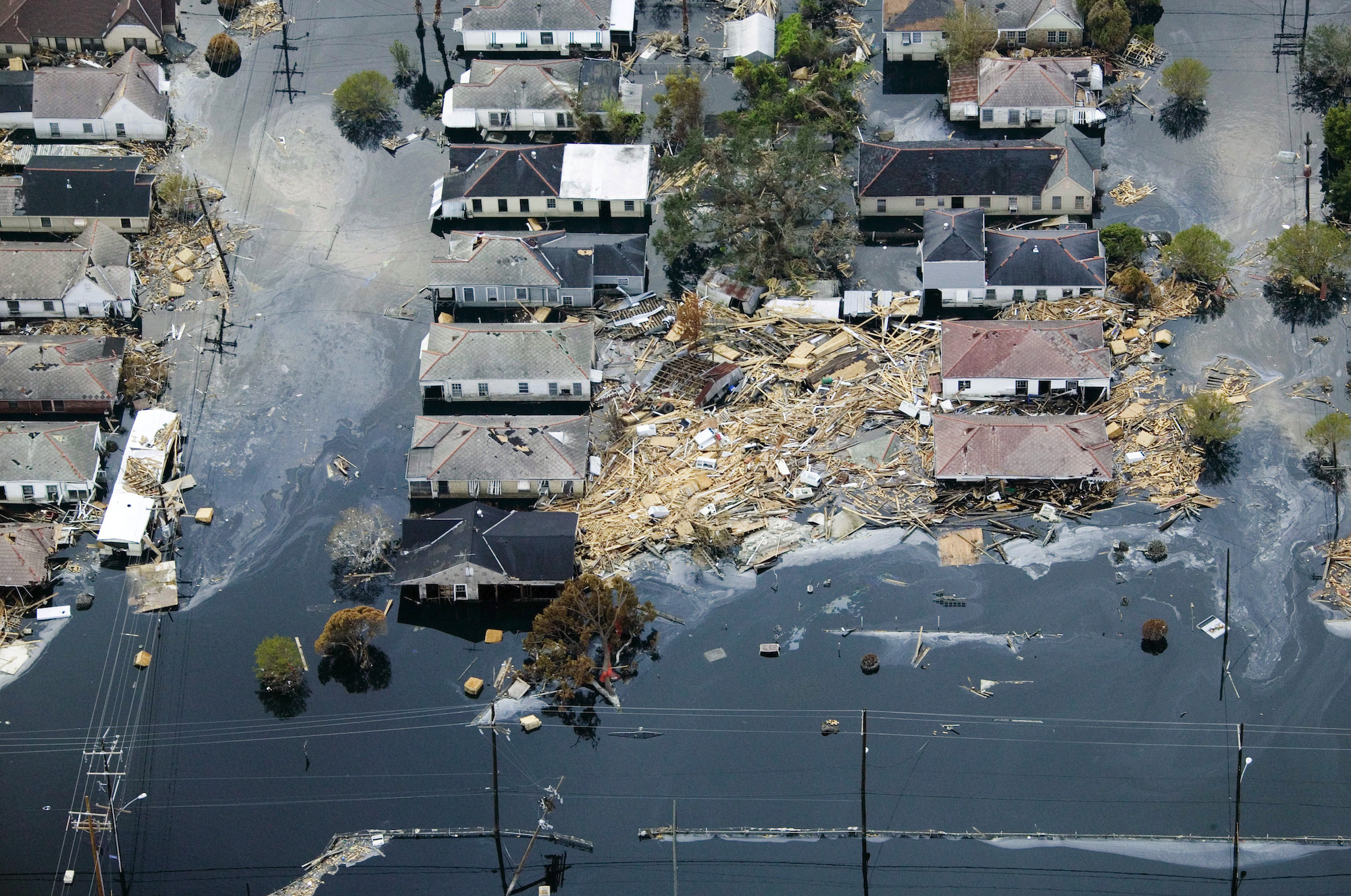
Hurricane Katrina made landfall along the Gulf Coast on August 29, 2005. While the storm itself was a massive atmospheric event, the tragedy that unfolded in New Orleans was compounded by the failure of the levee system, which resulted in catastrophic flooding across the majority of the city.
Pre-Landfall Preparation
In the days leading up to the landfall, residents were urged to evacuate as the storm gained strength over the Gulf of Mexico. The city’s geography—much of which sits below sea level—made it uniquely vulnerable to the storm surge. The Superdome, a prominent landmark in the downtown district, became a shelter of last resort for thousands of people who were unable to leave the city.
The Immediate Aftermath
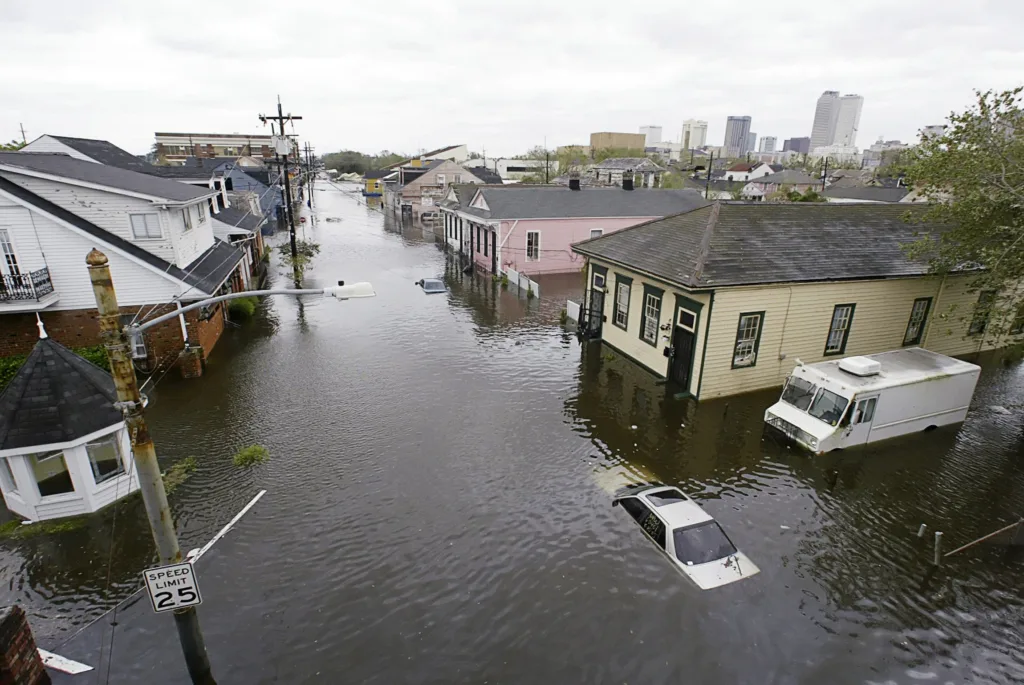
Following the breach of the levees, approximately 80 percent of the city was submerged. The images of flooded streets, rescues in the Lower Ninth Ward, and the displacement of families dominated national and international headlines for weeks. It was a period of immense uncertainty, but it also served as the starting point for a massive, multi-year recovery project that continues to influence the city’s urban planning and historical preservation efforts today.
Architectural Transformation and Preservation
The architecture of New Orleans is one of its most defining characteristics. The French Quarter, known for its distinct Spanish and French colonial influences, largely escaped the worst of the flooding due to its higher elevation relative to other parts of the city. However, the surrounding neighborhoods faced a different reality, necessitating a massive effort to preserve the historic character of the city while modernizing infrastructure to prevent future disasters.
Rebuilding Historic Neighborhoods
Post-2005, the city saw a surge in historic preservation initiatives. Neighborhoods such as Tremé and Garden District became symbols of the city’s enduring spirit. Architects and city planners worked together to ensure that while new, stronger infrastructure was installed—such as the massive Hurricane and Storm Damage Risk Reduction System—the aesthetic charm of the wrought-iron balconies and pastel-colored cottages remained intact.
Modern Urban Development
The recovery process was not merely about restoration; it was about reimagining the city’s relationship with its waterways. Public spaces and parks, such as City Park, received significant funding to restore natural drainage areas, which serve as “sponges” during heavy rains. This marriage of historical respect and modern engineering has become a model for other coastal cities worldwide.
A Legacy of Cultural Resilience
While the year 2005 is synonymous with the storm, the history of New Orleans is defined by how the community responded. The city’s identity is deeply rooted in Jazz, Creole cuisine, and a celebratory approach to life that has persisted through centuries of challenges.
The Return of the Festivals
One of the most powerful indicators of the city’s recovery was the continued operation of Jazz Fest. By keeping these cultural touchstones alive, the community affirmed its commitment to maintaining the artistic soul of the city. Musicians, chefs, and artists moved back to neighborhoods like Marigny, bringing with them the vibrant energy that makes New Orleans a world-class destination.
Tourism as a Catalyst for Recovery
In the years following 2005, tourism shifted from simple sightseeing to a form of engagement with the city’s history. Visitors traveling to Louisiana often seek out tours that explain both the disaster and the subsequent renewal. By visiting museums such as the Louisiana State Museum, tourists learn about the resilience of the people and the way New Orleans has adapted to the challenges of its environment.
The Future of New Orleans
Today, the city stands as a testament to human persistence. Walking through Jackson Square, one can see the blend of history that survived the flood and the new growth that has emerged in its wake. The lessons learned in the aftermath of the storm have made the city more aware of its environment, leading to innovative projects like the Lafitte Greenway, which connects diverse neighborhoods and provides a shared space for recreation and community interaction.
Lessons in Sustainability
The focus on sustainability has become a pillar of modern New Orleans tourism. Visitors are now encouraged to support local businesses, stay in hotels that prioritize eco-friendly practices, and engage with the culture in a way that respects the delicate balance of the Mississippi River delta.

A Destination of Depth
When travelers arrive today, they are not just seeing a city that recovered from a historic event; they are witnessing an ongoing evolution. The story of 2005 is an essential part of why the city feels so authentic. It is a place that understands the gravity of its past but looks toward the future with a distinct sense of optimism. Whether you are exploring the culinary scene on Magazine Street or admiring the architecture of the St. Louis Cathedral, the presence of the city’s history is felt in every corner.
Ultimately, the year 2005 acts as a dividing line in the timeline of the city, but it is the continuity of its culture—the music on Bourbon Street, the smell of gumbo in the air, and the warmth of the local hospitality—that keeps people returning. New Orleans has proven time and again that its spirit is not just tied to its landmarks, but to the collective memory and creative output of its people. As a destination, it offers more than just history; it offers a profound example of how a community can rise above catastrophe to define a new era of growth and cultural preservation.
LifeOutOfTheBox is a participant in the Amazon Services LLC Associates Program, an affiliate advertising program designed to provide a means for sites to earn advertising fees by advertising and linking to Amazon.com. Amazon, the Amazon logo, AmazonSupply, and the AmazonSupply logo are trademarks of Amazon.com, Inc. or its affiliates. As an Amazon Associate we earn affiliate commissions from qualifying purchases.