
Understanding the timeline of Mardi Gras in New Orleans requires a shift in perspective. To the uninitiated, it is often viewed as a singular, wild Tuesday; however, for the locals, it is a complex, multi-week season of social clubs, parades, balls, and culinary tradition. The celebration is tethered to the liturgical calendar of the Catholic Church, making it a “movable feast” that shifts every year.
The Liturgical Calendar and the Start of the Season
The official start of the season is dictated by the date of Easter. Because Easter moves, the entire Lenten period shifts, and consequently, so does the start of the Carnival season.

The Significance of Twelfth Night
The Carnival season officially kicks off on January 6th, known as Twelfth Night or the Feast of the Epiphany. This date marks the symbolic end of the Christmas season and the beginning of the journey toward Ash Wednesday. In the local culture, this is the moment when the first King Cakes appear in bakeries across the city. It is a time for private social clubs to hold their first balls and for the city to slowly transition from the quiet of mid-winter to the vibrant energy of Carnival.
How Easter Determines the Dates
The cycle is mathematical and deeply rooted in historical tradition. Mardi Gras—literally “Fat Tuesday”—is the final day of indulgence before the fasting and penance of Lent. Because Ash Wednesday marks the beginning of Lent, which occurs exactly 46 days before Easter, Mardi Gras is always the Tuesday immediately preceding that Wednesday. This means the entire season, from January 6th until the final Tuesday, can be as short as a few weeks or as long as several months depending on the ecclesiastical calendar.
The Evolution of the Carnival Season
While the season begins in early January, the intensity of the celebrations is not uniform. The pace of the festivities builds like a crescendo, reaching a fever pitch in the final week leading up to the main event.
Early Season Atmosphere
In the weeks following Twelfth Night, the city experiences a “pre-game” phase. During this time, the weather in Louisiana can be unpredictable, ranging from crisp, cool mornings to rainy afternoons. During this period, you will find locals enjoying the early balls and the first few neighborhood parades. It is a time for residents to enjoy the city before the massive influx of visitors begins. If you are planning a visit, this is the ideal time to explore the French Quarter or take a historical tour of the Garden District without the crushing crowds.

The Escalation toward the Finale
As the weeks progress, the frequency of parades increases dramatically. By the final two weeks, the city is transformed. The Krewe of Endymion and the Krewe of Bacchus represent the shift into high gear. These “super krewes” bring massive floats and elaborate themes to the streets, signaling that the peak of the celebration is imminent. The city becomes a living tapestry of color, music, and tradition, drawing millions of spectators to the St. Charles Avenue parade route.
Essential Traditions for Every Visitor
Beyond the parades, the Carnival season is defined by specific customs that are essential to the New Orleans experience. Understanding these traditions helps you appreciate why the celebration starts so early and carries so much weight in local identity.
The King Cake Custom
You cannot discuss the season without mentioning the King Cake. This brioche-style pastry, iced in the traditional colors of purple (justice), green (faith), and gold (power), is a staple of office parties and family gatherings from January 6th through the end of the season. Hidden inside is a small plastic baby, representing the infant Jesus. Tradition dictates that whoever finds the baby in their slice is responsible for buying the next cake. It is a simple, delicious way that the community bonds throughout the season.
The Role of Social Clubs and Krewes
The backbone of the season is the Krewes. These organizations are more than just parade-throwers; they are deeply ingrained social institutions that have shaped New Orleans for over a century. From the highly exclusive balls held at The Roosevelt New Orleans to the more public-facing parades through the Bywater or Marigny neighborhoods, these clubs invest months of labor and significant financial resources into the spectacle. Seeing the effort put into the costumes, the float designs, and the satirical themes reminds visitors that this is a year-round passion, not just a week-long party.
Timing Your Visit for the Best Experience
If your goal is to witness the true beginning of the season, aim for early January. You will experience the city in a contemplative, authentic state. If your goal is to witness the legendary, world-famous parades, aim for the weekend leading up to Fat Tuesday.
- Early January: Ideal for those interested in local history, smaller neighborhood parades, and avoiding the peak of the crowds.
- The Final Weekend: The quintessential Carnival experience, characterized by constant music, elaborate costumes, and non-stop parades.
- Mardi Gras Day: A day of ritual, masks, and street-level festivities, specifically the Zulu Social Aid and Pleasure Club and the Rex parade.
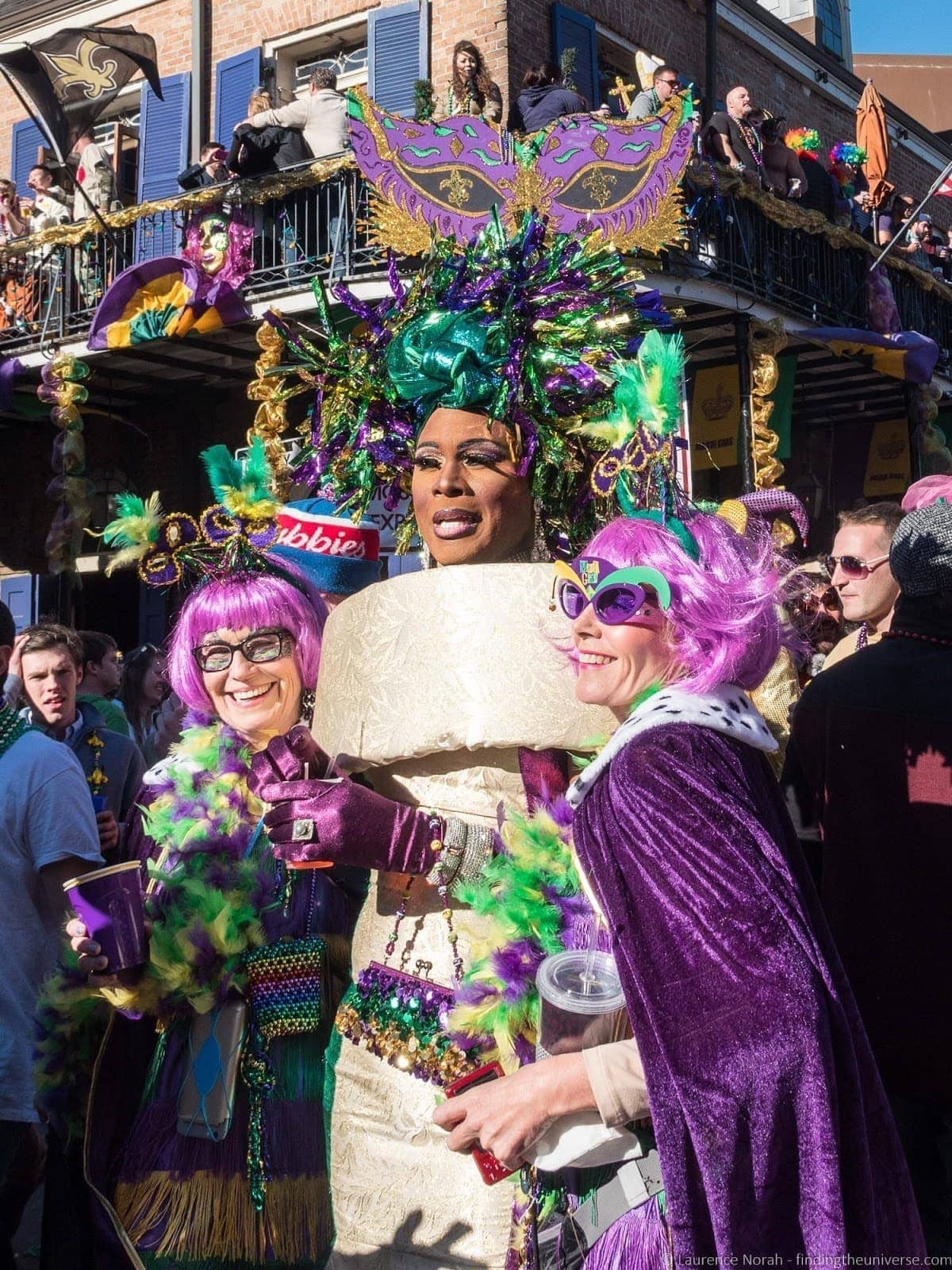
Sustainability and Local Respect
As tourism grows, the local New Orleans community encourages visitors to engage with the celebration respectfully. This includes respecting the parade routes, properly disposing of trash, and understanding that for the locals, this is a time of civic pride.
Whether you find yourself standing near the Superdome or wandering through the historic Jackson Square, remember that the celebration is a reflection of the city’s endurance and spirit. The season does not start on the day of the big parade; it begins the moment the community decides to celebrate life, art, and the unique cultural heritage that makes New Orleans one of the most vibrant destinations in North America. By arriving early, observing the rituals, and respecting the traditions, you become more than a tourist—you become a part of the long, storied history of the Gulf Coast.
LifeOutOfTheBox is a participant in the Amazon Services LLC Associates Program, an affiliate advertising program designed to provide a means for sites to earn advertising fees by advertising and linking to Amazon.com. Amazon, the Amazon logo, AmazonSupply, and the AmazonSupply logo are trademarks of Amazon.com, Inc. or its affiliates. As an Amazon Associate we earn affiliate commissions from qualifying purchases.