
Mardi Gras, or “Fat Tuesday,” is the pinnacle of the Carnival season in New Orleans. For those planning a pilgrimage to this vibrant city, understanding the timing is everything. It is not merely a single day of celebration; it is a meticulously orchestrated season that traces its roots to medieval Europe and Catholic traditions. To experience the magic of the masks, the thunder of the marching bands, and the cascade of beads, one must first master the calendar.
The Mathematical Mystery of the Carnival Season
The date of Mardi Gras is not fixed, which often confuses visitors accustomed to static holidays. It is inextricably linked to the ecclesiastical calendar, specifically the date of Easter.

The Lenten Connection
The entire Carnival season serves as a festive precursor to Lent, the period of reflection and sacrifice observed by Christians leading up to Easter. Because Easter is a “movable feast”—determined by the first full moon following the vernal equinox—the entire liturgical calendar shifts. Mardi Gras always falls exactly forty-seven days before Easter Sunday.
Epiphany: The Official Start
While the momentum builds throughout the winter, the official season of Carnival begins on January 6, known as Twelfth Night or the Feast of the Epiphany. In New Orleans, this is the moment when the first king cakes appear in bakeries and the first balls and parades are scheduled. From this point forward, the city enters a state of slow-burn celebration that accelerates until the final, frantic weekend.
Navigating the Peak Parade Schedule
The energy of the Carnival season increases exponentially as the date of Fat Tuesday approaches. Understanding the flow of the parade schedule is vital for any traveler looking to witness the best of the city’s pageantry.
The Final Weekend Intensity
The most sought-after experiences occur in the five days leading up to Mardi Gras. Beginning on the Friday before, the city undergoes a metamorphosis. The French Quarter becomes a dense mosaic of tourists and locals, while the routes along St. Charles Avenue see the arrival of thousands of families setting up ladders and chairs.
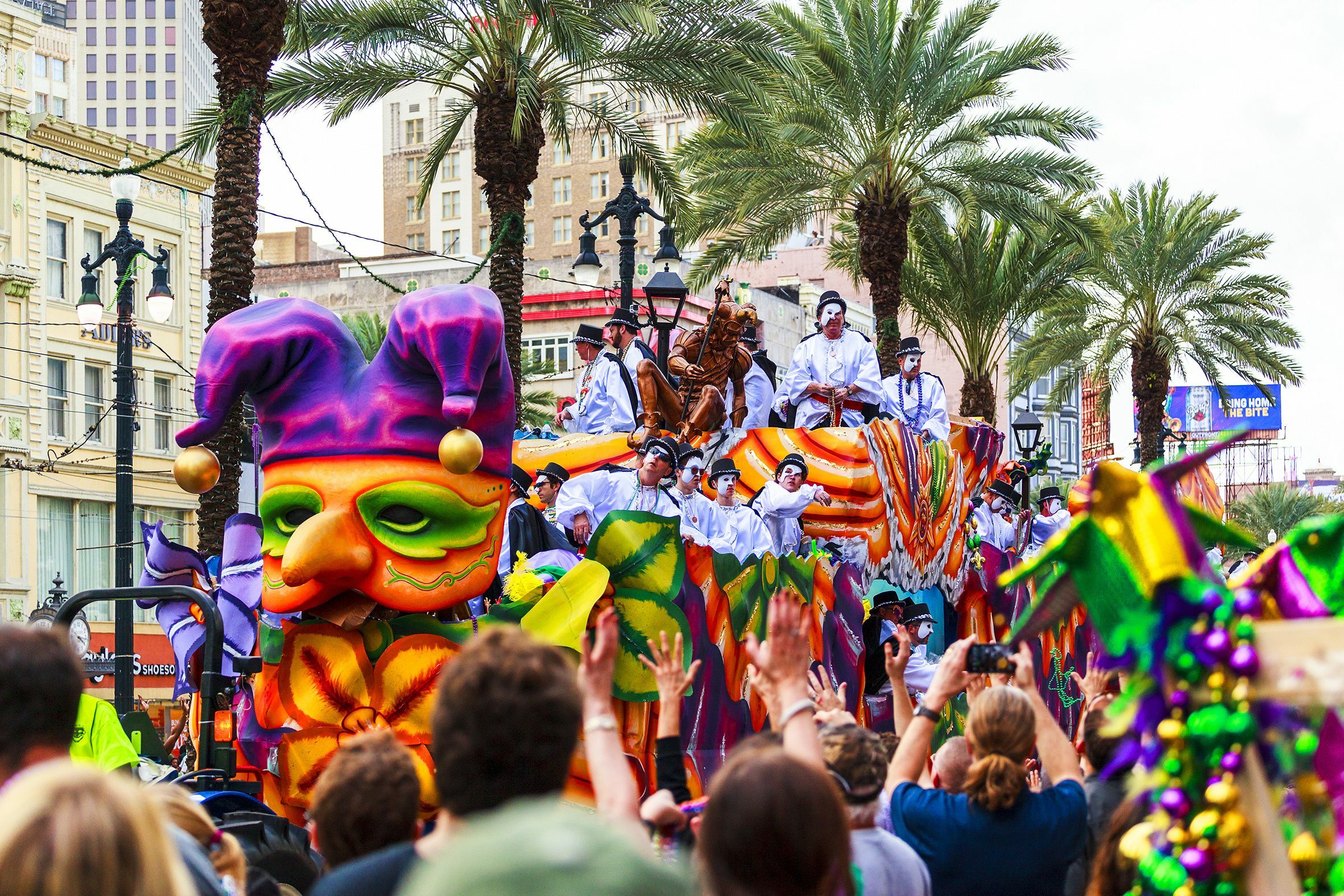
Major krewes—the social clubs responsible for the parades—such as Endymion and Bacchus, dominate these final nights. These are not merely parades; they are traveling theatrical performances that light up the Louisiana night with intricate floats, motorized displays, and thousands of costumed riders tossing signature throws.
Lundi Gras and Fat Tuesday
The day before Mardi Gras, known as Lundi Gras, has evolved into a significant celebration of its own. It is the day the King and Queen of Zulu and Rex arrive by boat at the Mississippi River to welcome the festivities. By the time the sun rises on Fat Tuesday, the city is a symphony of color. From the early morning arrival of the Zulu Social Aid and Pleasure Club to the historic Rex procession, the final day is a marathon of local culture that concludes precisely at midnight, as the police ride on horseback down Canal Street to signal the beginning of the Lenten season.
Cultural Etiquette and Local Traditions
To truly appreciate the timing of Mardi Gras, one must look beyond the spectacle and engage with the traditions that define the local identity. The timing of your visit dictates the depth of your cultural immersion.
Beyond the French Quarter
While many visitors flock to Bourbon Street, experienced travelers often look toward the neighborhood parades. The Krewe of Muses and Krewe of Nyx bring a modern, satirical edge to the festivities, while the walking parades like the Krewe of Barkus showcase the whimsical, community-driven side of the season.
The Culinary Calendar
The timing of your visit determines the availability of the king cake—a sweet, brioche-like pastry hidden with a small plastic baby. Traditionally, you should only eat these during the season. Furthermore, the weeks leading up to Fat Tuesday provide the best opportunity to sample seasonal delicacies like gumbo, etouffee, and crawfish, which are often prepared in communal settings as the city prepares for the lean days of Lent.
Planning Your Logistics for the Big Days
Because the dates shift every year, booking travel requires foresight. Hotels in the Central Business District and Garden District often fill up a year in advance.
When to Book Your Arrival
If you intend to experience the peak excitement, arrive no later than the Thursday before Mardi Gras. This allows you to settle in, explore the Superdome area, and acclimatize to the pacing of the crowds. Arriving early also offers the rare opportunity to attend some of the smaller, more exclusive balls or to visit the Mardi Gras World facility to see the floats being constructed before they hit the streets.

Weather Considerations
Since the date fluctuates between early February and early March, the weather can be wildly unpredictable. An early Mardi Gras may bring the biting chill of a southern winter, requiring heavy jackets, while a late Mardi Gras may be humid and warm, perfect for light costume elements. Checking the specific calendar dates against the historical weather patterns for United States cities in the deep south will help you pack appropriately for the unpredictable nature of the spring transition.
Ultimately, “When is Mardi Gras?” is a question that invites you into a larger conversation about history, religion, and the enduring spirit of a city that knows how to turn time itself into a celebration. By aligning your calendar with the rhythm of the city, you ensure your visit is not just a vacation, but a participation in one of the most storied traditions in the world. Whether you seek the chaotic joy of the final parades or the early season traditions that mark the start of the year, New Orleans stands ready to provide a spectacle that defies expectation.
LifeOutOfTheBox is a participant in the Amazon Services LLC Associates Program, an affiliate advertising program designed to provide a means for sites to earn advertising fees by advertising and linking to Amazon.com. Amazon, the Amazon logo, AmazonSupply, and the AmazonSupply logo are trademarks of Amazon.com, Inc. or its affiliates. As an Amazon Associate we earn affiliate commissions from qualifying purchases.