
New Orleans is a city defined by its layers of time. From the ornate wrought-iron balconies of the French Quarter to the moss-draped oaks of the Garden District, the city breathes history. When planning a trip to this storied destination, your choice of accommodation dictates the rhythm of your experience. Whether you seek the pulse of jazz-filled streets or the refined silence of nineteenth-century mansions, choosing the right district is the first step in unlocking the soul of Louisiana.
The Heart of the Action: The French Quarter
Staying in the French Quarter means placing yourself at the epicenter of New Orleans culture. As the oldest neighborhood in the city, founded in 1718, it offers an architectural tapestry of Spanish and French colonial influence.
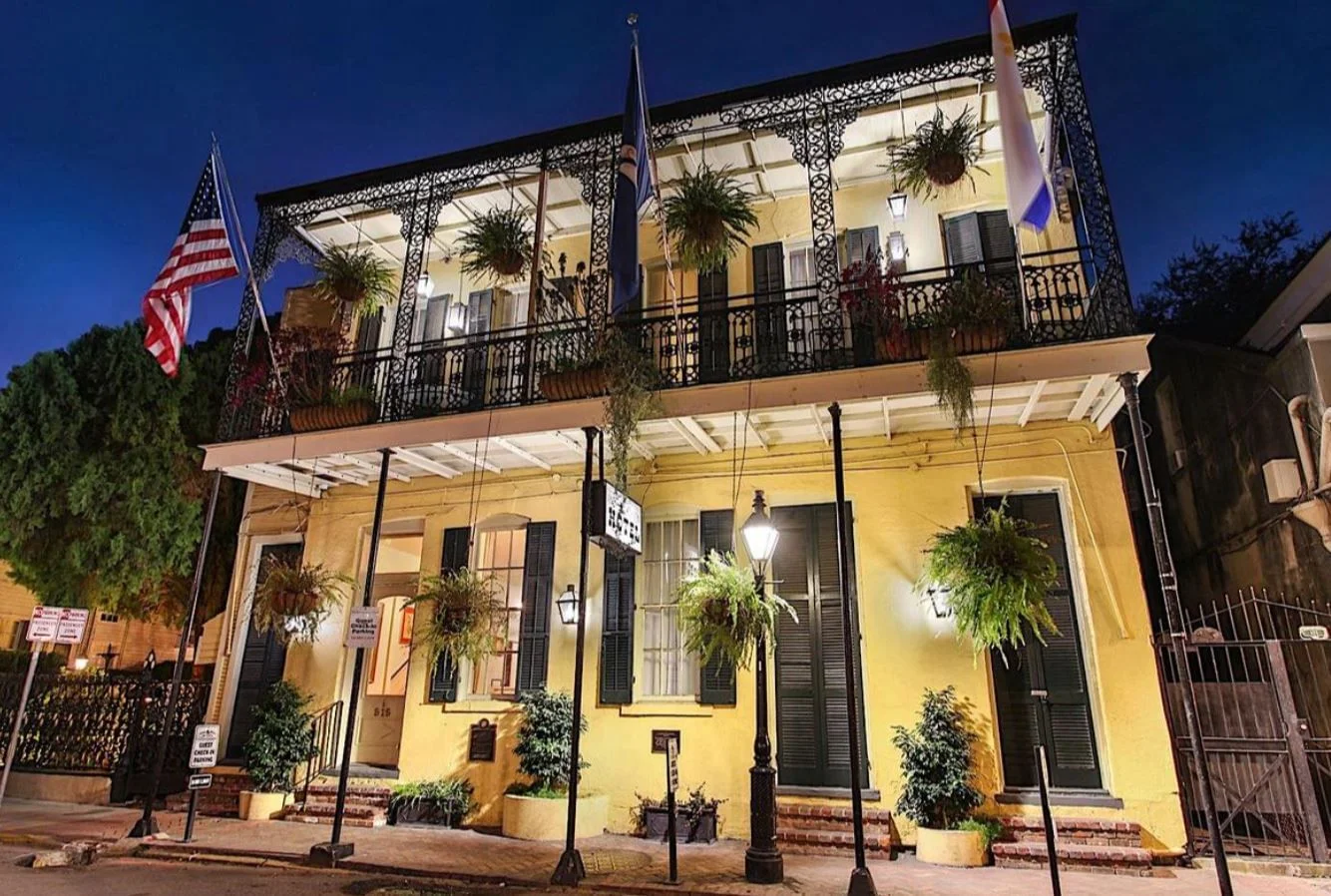
Iconic Boutique Hotels
For those who want to wake up steps away from Bourbon Street and Jackson Square, boutique hotels provide a sanctuary within the fray. The Hotel Monteleone remains a landmark in its own right. Famous for its rotating Carousel Bar, this property offers a blend of literary history—having hosted writers like Ernest Hemingway and Tennessee Williams—and old-world luxury.
Alternatively, The Roosevelt New Orleans offers a grand experience just on the edge of the quarter. While technically situated in the Central Business District, its proximity to the historic core makes it a favorite for travelers who appreciate gilded-age opulence, particularly during the holiday season when the lobby transforms into a winter wonderland.
Hidden Courtyards and Historic Charm
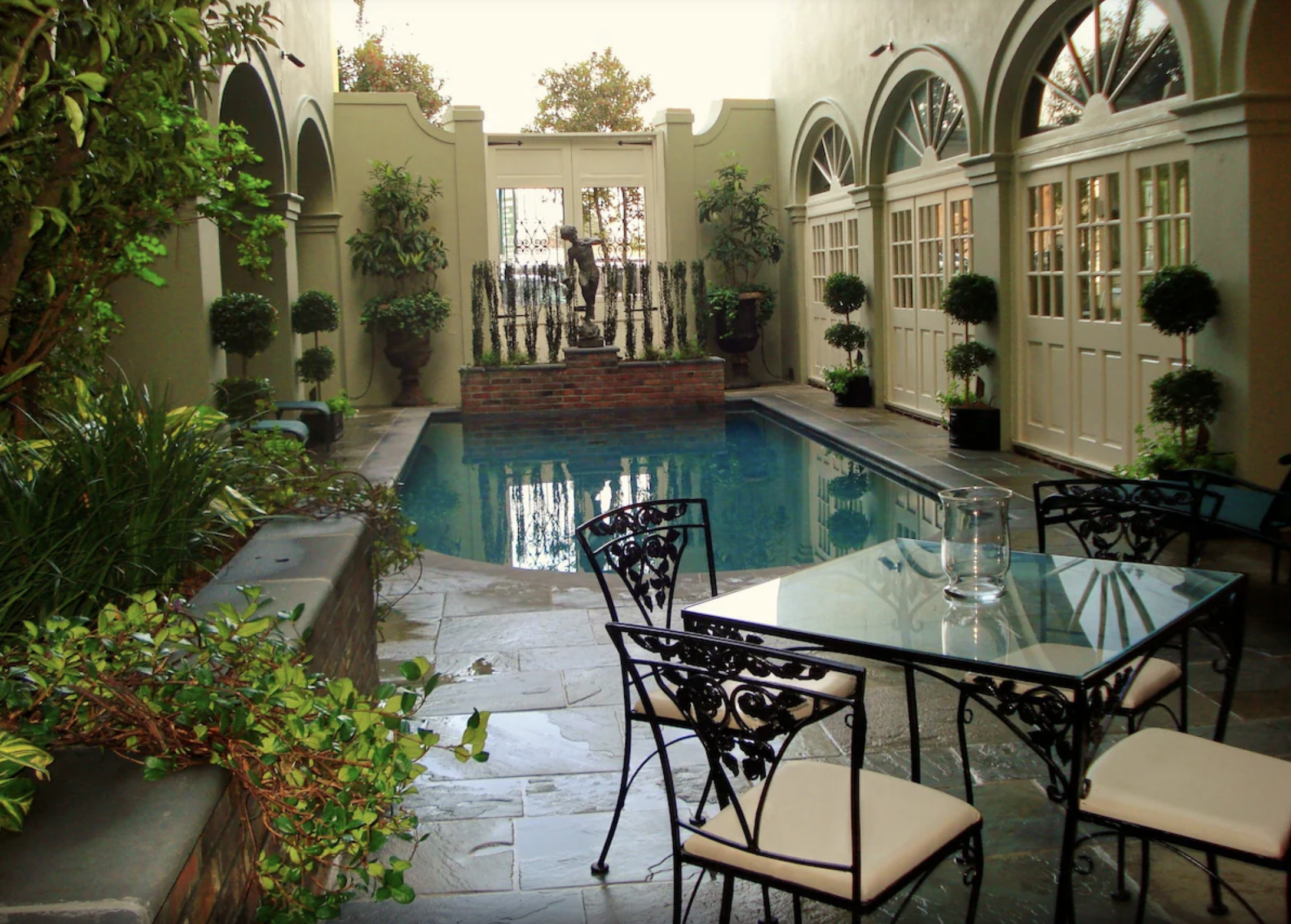
The secret to enjoying the French Quarter is finding a property with a secluded courtyard. Place d’Armes Hotel features multiple fountain-filled courtyards that act as sound buffers against the vibrant chaos of the city. These spaces are quintessentially New Orleans, offering a quiet morning coffee spot before heading out to visit the nearby St. Louis Cathedral.
Elegance and Heritage: The Garden District
If the French Quarter is the city’s lively heart, the Garden District is its cultured soul. Developed in the 1830s, this neighborhood was built by wealthy Americans who wanted homes that rivaled the grand plantations of the era. The streets are lined with Greek Revival and Italianate mansions that are as much a part of the city’s history as the museums.
Mansion Bed and Breakfasts
To truly experience the Garden District, one should consider staying in a converted historic home. The Pontchartrain Hotel on St. Charles Avenue serves as a perfect gateway to this area. With its storied history—Frank Sinatra was a frequent guest—the property retains an air of timeless sophistication.
Staying here provides immediate access to the iconic St. Charles Streetcar, which offers one of the most scenic and affordable ways to travel from the historic residential districts down to the commercial center. A stay in this neighborhood encourages a slower pace, filled with architecture walking tours and visits to Lafayette Cemetery No. 1, where the above-ground tombs tell the stories of generations past.

Cultural Immersion: The Marigny and Bywater
For the traveler who prefers the path less beaten, the Faubourg Marigny and Bywater neighborhoods offer a more bohemian perspective on history. While the French Quarter is heavily curated for visitors, these adjacent areas are where the local artistic community thrives.
Guest Houses and Renovated Cottages
Accommodation here often takes the form of renovated Creole cottages or smaller, art-focused guest houses. These properties provide a glimpse into the domestic life of New Orleans residents. Staying near Frenchmen Street allows you to step out of your door and into the best live jazz venues in the city. Unlike the commercial sounds of Bourbon Street, Frenchmen Street is where the musicians gather to play for each other and for an audience that truly appreciates the craft.
The aesthetic in Bywater is grittier but infinitely vibrant, characterized by colorful shotgun houses and incredible street art. Choosing a boutique guesthouse here places you within walking distance of Crescent Park, which provides sweeping views of the Mississippi River and a quiet respite from the hum of the inner city.
Tips for Navigating Historic Stays
When choosing where to stay in a city as old as New Orleans, there are several practical considerations to ensure your comfort while maintaining the authenticity of your trip.
Understanding Architecture and Modern Amenities
Many historic hotels in New Orleans are located in buildings that are centuries old. While these properties offer incredible character, it is important to check if the building has been retrofitted with modern elevators and soundproofing. If you have mobility concerns, ensure the hotel has been updated to meet modern accessibility standards, as the original architecture of the French Quarter often involved steep, narrow staircases.
The Value of Location
If you are visiting during peak festival seasons like Mardi Gras or Jazz Fest, your location choice is critical. Staying within the French Quarter during these times means you are in the thick of the action, but it also means dealing with significant noise and restricted traffic. For a more peaceful experience, consider properties in the Warehouse District, which has seen a renaissance as a hub for galleries, contemporary restaurants, and chic hotels like the International House Hotel.
The Warehouse District bridges the gap between the historic French Quarter and the modern city. It is ideal for those who want to be near the National WWII Museum while still enjoying the historic masonry and industrial-chic aesthetic that defines this part of the city.
Making the Most of Your Stay
Ultimately, the best place to stay depends on the story you want to tell. Whether it is the ghost-filled corridors of a French Quarter inn, the manicured gardens of an Uptown mansion, or the creative energy of a Marigny cottage, your accommodation is your base of operations for discovery.
Before you book, look for properties that prioritize the preservation of their historic structures. When you stay in a building that has stood for over a century, you aren’t just a guest; you are a caretaker of a small piece of history. Take the time to enjoy the local architecture, sit in the courtyards, and chat with the hotel staff, who often possess a wealth of knowledge about the city’s past. New Orleans is a city that demands to be experienced slowly, and your choice of home-base is the first step in that journey.
LifeOutOfTheBox is a participant in the Amazon Services LLC Associates Program, an affiliate advertising program designed to provide a means for sites to earn advertising fees by advertising and linking to Amazon.com. Amazon, the Amazon logo, AmazonSupply, and the AmazonSupply logo are trademarks of Amazon.com, Inc. or its affiliates. As an Amazon Associate we earn affiliate commissions from qualifying purchases.