
When listeners hear the rhythmic, loping cadence of the song “City of New Orleans,” they are often transported back to a bygone era of American transit. The track is more than just a piece of music; it is a sonic love letter to the rail lines that once stitched the heartland of the United States together. While many artists have put their own stamp on the composition, the song’s legacy is deeply intertwined with the shifting cultural landscape of the twentieth century. To understand the song is to understand the romance of the rails and the enduring appeal of the South.
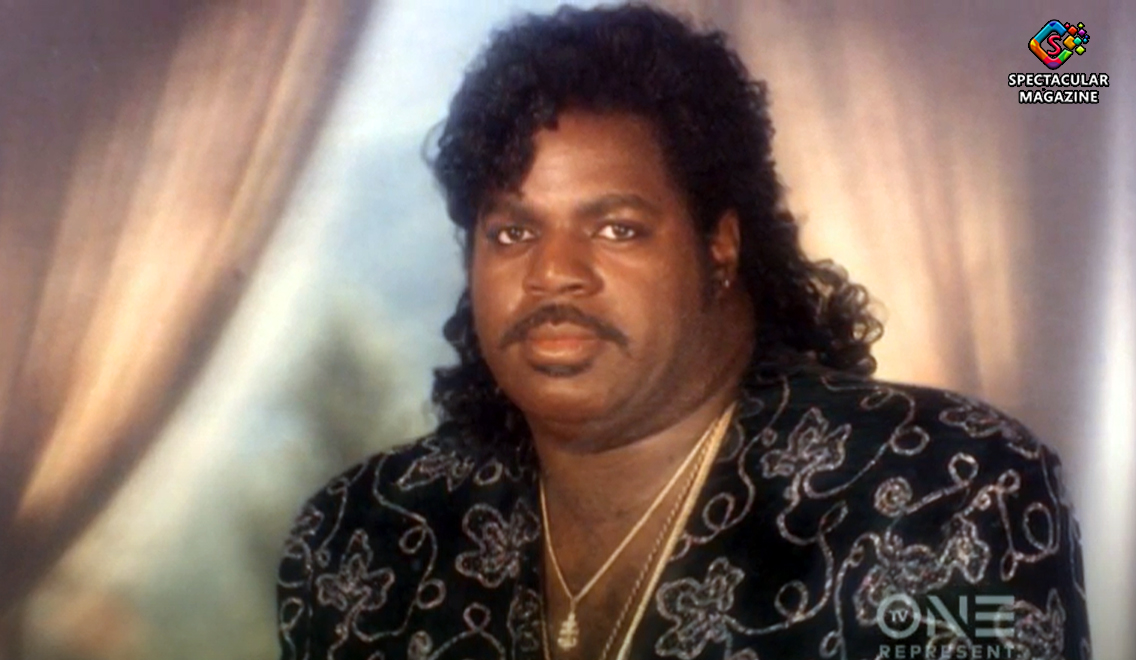
The Architect of the Track: Steve Goodman
The true origin of this melancholic masterpiece lies with Steve Goodman, a folk singer-songwriter from Chicago, Illinois. Goodman was a fixture in the folk scene, known for his sharp wit and observational prowess. The inspiration for the song struck during a train ride from Chicago down to New Orleans, Louisiana.
The Inspiration Behind the Lyrics
As he sat on the Illinois Central Railroad, Goodman watched the landscape transform. He observed the transition from the industrial sprawl of the Midwest to the humid, rhythmic pulse of the Mississippi Delta. He famously sketched the lyrics on a bar napkin, capturing the essence of the “disappearing railroad blues.” The song serves as a travelogue, documenting the passage of time, the aging of the passengers, and the slow, inevitable decline of the great American train system.
A Career-Defining Moment
Goodman initially struggled to find an audience for the track until a chance encounter with Arlo Guthrie at a club in Chicago changed everything. Guthrie, initially skeptical, listened to the song and quickly realized its potential. His 1972 recording became the definitive version for many, reaching the charts and cementing the song’s status as a folk anthem.
The Most Famous Renditions
While Goodman wrote the song, its evolution into a classic was facilitated by a handful of legendary performers who saw the humanity and heartache within its verses.
The Arlo Guthrie Connection
Arlo Guthrie’s version is perhaps the most iconic, partly because of the effortless, conversational delivery he applied to the song. By the time Guthrie took the song to the studio, he had already perfected it in live settings, making the listener feel as though they were riding in the car right next to him. His interpretation emphasizes the loneliness and the beauty of long-distance travel, turning the train into a character itself.
The Country Soul of Willie Nelson
In 1984, Willie Nelson released a cover that would take the song to new heights of popularity. Nelson’s version is slower, more deliberate, and soaked in a sense of nostalgic longing. For many, his rendition is the one that brings the most gravitas to the lyrics regarding the “sons of Pullman porters” and the “sons of engineers.” Nelson turned the song from a folk tale into a country standard, proving that the theme of transient American life resonates across genres.
Other Notable Covers
The song has been interpreted by a diverse array of artists, including Johnny Cash, Judy Collins, and John Denver. Each of these artists brought their unique vocal timbre to the track, emphasizing different aspects of the narrative—some focusing on the travel, others on the loss of a way of life.

The Significance of the Route and Region
The train ride itself is a pivotal element of American history. The path from the Windy City down to the Big Easy is a trajectory that traverses the very soul of the country.
The Romance of the Illinois Central
The Illinois Central Railroad was the artery that connected the industrial North to the agricultural South. It wasn’t just a means of transportation; it was a social space. Travelers from every walk of life found themselves in the observation cars, sharing stories and watching the cornfields of the Midwest give way to the bayous of the South. The song captures this sense of community found in transit.
A Sensory Journey to the South
The song effectively acts as a travel guide for the senses. It evokes the feeling of the train’s rhythmic motion—the “clickety-clack” of the steel wheels—and the sights of the passing towns. It touches upon the cultural heritage of the towns along the way, reminding us of the profound connection between music and geography in the United States.
The Song as a Cultural Landmark
Why does this specific song continue to resonate decades later? It speaks to a universal human experience: the desire to travel, to witness change, and the melancholy of watching progress leave certain things behind.
The Decline of Rail Travel
The song became an accidental eulogy for the golden age of passenger trains. As Amtrak took over and rail travel began to shift, the lyrics became a poignant reflection on the end of a grand, romanticized era of American infrastructure. It reminds us of the time when the journey was just as important as the destination.
A Legacy in Music History
“City of New Orleans” is frequently cited in lists of the greatest folk songs of the 20th century. It bridges the gap between the protest music of the 1960s and the storytelling traditions of country and folk-rock. By documenting the life of the train and the people who worked on it, Steve Goodman ensured that a piece of American history would remain preserved in melody.

Final Reflections on the Journey
Ultimately, the song is a testament to the power of observation. Steve Goodman was a traveler who took the time to notice the world outside his window, and because he did, generations of listeners have been able to share in that same experience. Whether you identify the song with the earnestness of Arlo Guthrie, the weathered wisdom of Willie Nelson, or the raw beginnings of the songwriter himself, it remains a timeless piece of art.
As long as there are people who dream of the open road and the rhythmic hum of the tracks beneath them, the “City of New Orleans” will continue to be a staple of American songbooks. It invites us to pack a bag, board a train, and pay closer attention to the world as it rolls by. It is a reminder that while the tracks may change and the trains may grow older, the stories we tell along the way are what truly endure.
LifeOutOfTheBox is a participant in the Amazon Services LLC Associates Program, an affiliate advertising program designed to provide a means for sites to earn advertising fees by advertising and linking to Amazon.com. Amazon, the Amazon logo, AmazonSupply, and the AmazonSupply logo are trademarks of Amazon.com, Inc. or its affiliates. As an Amazon Associate we earn affiliate commissions from qualifying purchases.