
The conclusion of the hit television series NCIS: New Orleans in 2021 marked a significant shift in the cultural landscape of Louisiana. While the show’s cancellation was primarily attributed to production decisions and network shifts, its absence left a palpable void in the way the world perceives the vibrant, soulful atmosphere of the Crescent City. Beyond the scripted mysteries and procedural tropes, the show served as a visual postcard for the unique lifestyle, culinary scene, and historical magnetism of New Orleans.
To understand the end of the show, one must look at the way it functioned as a pillar of local tourism, broadcasting the essence of Southern hospitality to millions of viewers globally.
The Intersection of Television and Local Culture
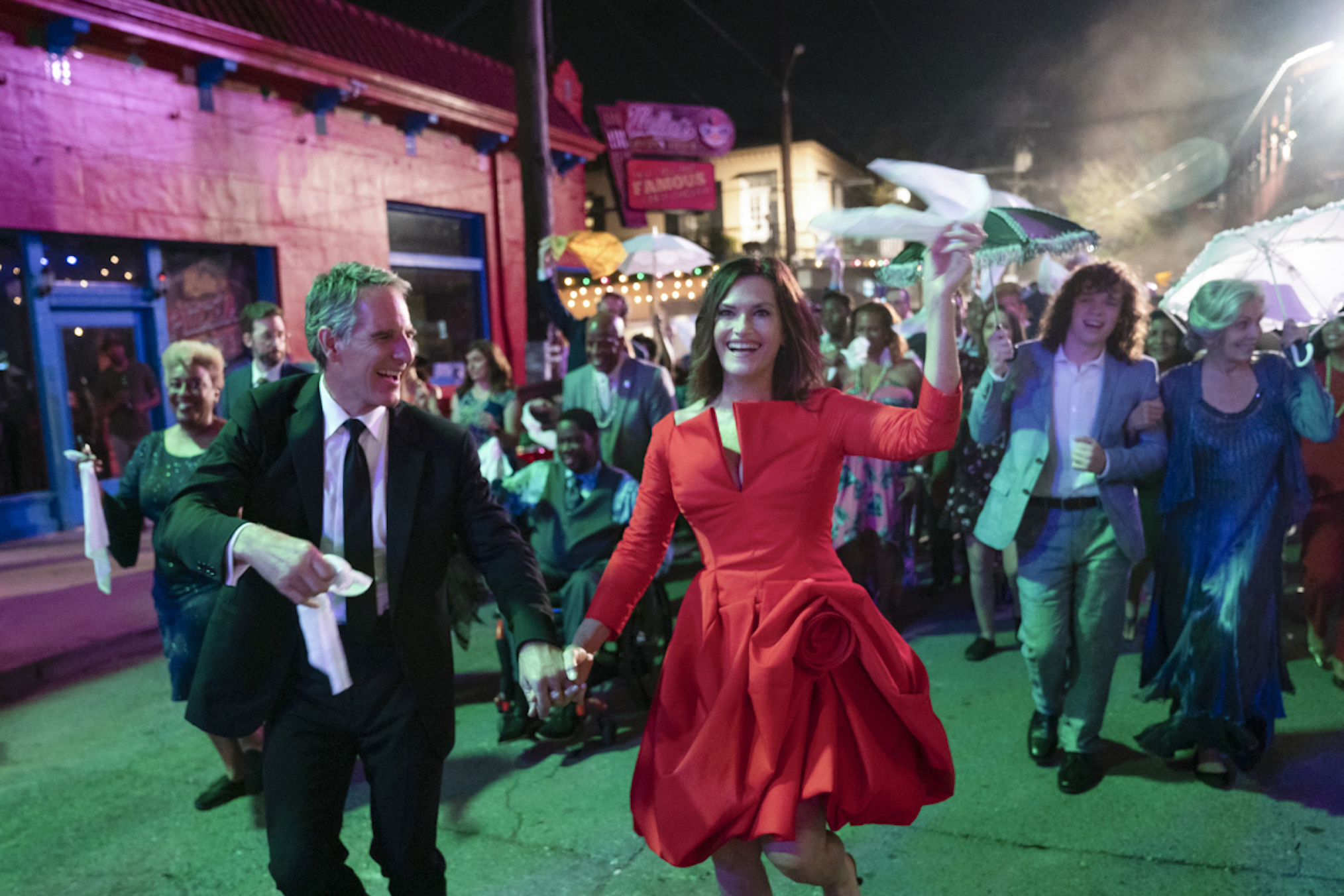
For seven seasons, the production team went to great lengths to film on location, capturing the authentic spirit of the city. The show did more than provide entertainment; it acted as a long-form advertisement for the city’s tourism industry. By frequently featuring local landmarks, the series allowed audiences to engage with the architecture and the living history that defines this corner of the United States.
Bringing the French Quarter to the Small Screen
The French Quarter was not merely a backdrop; it was a character in itself. The narrow, wrought-iron-balconied streets and the historic glow of gas lamps provided an aesthetic that no studio backlot could replicate. When the show ended, the tourism sector felt the loss of that consistent exposure. Fans of the show often traveled to the city specifically to walk the streets where Agent Pride and his team “investigated” crimes, effectively blurring the lines between cinematic fantasy and real-world travel experiences.
Celebrating Local Festivals and Traditions
One of the most engaging aspects of the series was its dedication to local traditions. From the vibrant processions of Mardi Gras to the solemn beauty of All Saints Day, the showrunners ensured that the calendar of the city was reflected in the plotlines. By showcasing the Jazz & Heritage Festival, the series invited viewers to explore the rich musical heritage of the region, emphasizing that the city is not just a place to visit, but a culture to be experienced.
Culinary Tourism and the Soul of the South
If there is one thing that NCIS: New Orleans understood perfectly, it was that the identity of the city is inextricably linked to its food. The scenes filmed in local kitchens and fictionalized representations of historic diners helped cement the city’s reputation as the culinary capital of the South.

The Influence of Creole and Cajun Cuisine
The show frequently referenced iconic dishes—gumbo, jambalaya, and beignets from the famous Café Du Monde. By highlighting these staples, the production team helped educate a national audience on the nuances of Creole and Cajun traditions. Travelers coming to the city often cited the show as a catalyst for their culinary pilgrimage. Whether they were looking for the best crawfish boil or seeking out an authentic po’boy, tourists were following the path laid out by their favorite on-screen detectives.
Dining as an Experience
In the city, dining is a social event, a fact the show rarely missed. Scenes centered around long lunches at historic spots like Commander’s Palace or casual chats over coffee in Jackson Square highlighted the importance of space and setting. This emphasis on “place” encouraged viewers to seek out establishments that offered more than just a meal; they sought an atmosphere defined by history, music, and the slow, deliberate pace of Southern life.
The End of an Era for Regional Tourism
While the network cancellation was a professional decision based on ratings and budget, the “end” of the series represents a moment to reflect on how media shapes our travel desires. The show’s production contributed to a sustained interest in the city during a period of economic recovery and growth.
Navigating the Post-Production Landscape
With the cameras gone and the sound stages dismantled, the city has had to pivot in how it markets itself to prospective visitors. The focus has moved from the procedural drama to the genuine, lived experiences that New Orleans offers. Tourists are now encouraged to discover the hidden gems that the show didn’t have time to cover, such as the lush greenery of City Park or the haunting beauty of the St. Louis Cemetery No. 1.
The Lasting Legacy of On-Location Filming
The legacy of NCIS: New Orleans remains in the heightened awareness of the city’s architectural integrity. By filming in neighborhoods like Garden District, the series showcased the antebellum mansions and oak-lined streets that make the city a premier destination for those interested in history and design. Even without the weekly arrival of a film crew, the city continues to thrive as a primary hub for cultural tourism.
Planning Your Own New Orleans Journey
The end of the show is the perfect excuse to plan a trip that goes beyond the fiction. While television shows often highlight the most famous landmarks, a visit to the city is most rewarding when one takes the time to explore the deeper, less-traveled paths.
Beyond the Screen: A Traveler’s Checklist
- Explore the Music: Visit Frenchmen Street to hear the brass bands and jazz ensembles that truly define the heartbeat of the city.
- Visit the Museums: Spend an afternoon at the National WWII Museum, an institution that provides essential context to the city’s role in global history.
- Walk the Neighborhoods: Take a walking tour of Faubourg Marigny to witness the colorful creole cottages that add to the unique visual tapestry of the area.
- Embrace the River: Book a ride on the Steamboat Natchez to see the city from the perspective of the mighty Mississippi River.
The cancellation of NCIS: New Orleans did not end the story of the city; it merely allowed the city to return to its original form—a vibrant, chaotic, and beautiful destination that tells its own story, one street corner and one meal at a time. For the traveler, the show was a window, but the city itself is the entire building, waiting to be explored by those who value culture, history, and the unmistakable soul of the South.
LifeOutOfTheBox is a participant in the Amazon Services LLC Associates Program, an affiliate advertising program designed to provide a means for sites to earn advertising fees by advertising and linking to Amazon.com. Amazon, the Amazon logo, AmazonSupply, and the AmazonSupply logo are trademarks of Amazon.com, Inc. or its affiliates. As an Amazon Associate we earn affiliate commissions from qualifying purchases.