
When the National Football League chooses a host city for the Super Bowl, it does not do so lightly. It requires a confluence of infrastructure, hospitality, cultural magnetism, and a proven track record of handling massive global events. Among the select group of cities that frequently play host to the Big Game, New Orleans stands in a league of its own. Often referred to as “The Big Easy,” this city has become a synonymous partner with the spectacle of American football, hosting the championship game more than ten times, tying it with Miami for the record. The question is not just why New Orleans is selected, but why it remains the gold standard for hosting such a monumental gathering of culture, sports, and tourism.

The Infrastructure of a Championship City
The logistical requirements for hosting the Super Bowl are staggering. It is not merely about having a stadium; it is about having a complete ecosystem capable of supporting hundreds of thousands of visitors, media members, and team personnel. New Orleans excels because its entire urban core is designed for walkability and large-scale public engagement.
The Superdome’s Enduring Legacy
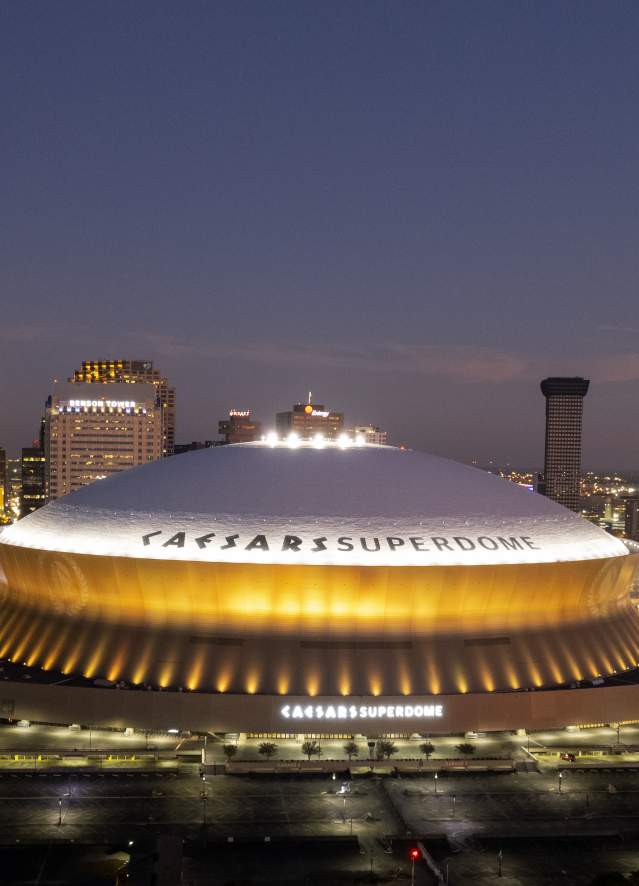
At the heart of the city’s bid is the Caesars Superdome. As one of the most iconic architectural landmarks in Louisiana, the dome offers a central, climate-controlled environment that shields the game from the unpredictable elements of winter. Its location within the Central Business District allows for an seamless transition between game day activities and the surrounding nightlife. Over the decades, the city has continuously invested in the modernization of this facility, ensuring it meets the high-tech requirements of modern broadcasting and fan safety.
Compact Accessibility
Unlike sprawling metropolitan areas where travel between a hotel, a fan zone, and a stadium might take hours, New Orleans offers a compact footprint. Most major hotels, the French Quarter, and the Superdome are within a short distance of one another. This “pedestrian-first” design is a massive advantage for the NFL, as it reduces the complexity of massive shuttle systems and allows fans to immerse themselves in the local culture simply by walking from their accommodation to the stadium.
A Cultural Magnet for Global Visitors
The Super Bowl is not just a sporting event; it is an international cultural phenomenon. When the NFL selects a host city, it looks for a location that can provide an experience that extends beyond the four walls of the stadium. New Orleans is, perhaps, the most distinct city in the United States when it comes to character, making it a perennial favorite for fans and sponsors alike.
The Soul of the City
When visitors arrive in New Orleans for the game, they are treated to an atmosphere that cannot be replicated elsewhere. The unique intersection of Creole and Cajun influences, paired with a deep, soulful history of jazz and blues, creates a celebratory environment that mirrors the intensity of the game itself. From the brass bands playing on Bourbon Street to the serene beauty of Jackson Square, the city offers a sensory-rich experience that turns a single weekend into a lifetime memory.
Culinary Tourism as a Draw
New Orleans is consistently ranked as one of the top culinary destinations in the world. For fans traveling from across the country, the opportunity to indulge in authentic gumbo, jambalaya, and beignets from Cafe Du Monde is a major incentive. The hospitality industry in the city is built on the philosophy of “laissez les bons temps rouler”—let the good times roll. This welcoming nature ensures that even if a fan’s team loses the game, their trip to the city remains a resounding success.
The Economic and Strategic Rationale
Behind the scenes of every Super Bowl are complex economic negotiations. New Orleans provides the NFL with a city that is fully “bought in” to the event. The local government, the tourism board, and private business owners work in tandem to ensure that the city is effectively transformed into a giant, cohesive event venue for the week leading up to the championship.
A Proven Track Record of Success
Experience is a currency that New Orleans spends freely. The city has hosted the Super Bowl through various eras, from the 1970s to the modern digital age. The personnel who manage the Ernest N. Morial Convention Center and the surrounding public spaces have institutional knowledge that is invaluable to the league. They know how to handle security, logistics, and the influx of media, providing a level of predictability that gives NFL executives peace of mind.
The “Super Bowl Effect”
For New Orleans, the event serves as a massive platform to showcase the city’s resilience and ongoing development. Since Hurricane Katrina, the city has used high-profile events to highlight its revitalization, investment in new infrastructure, and the expansion of its tourism sector. By hosting the Super Bowl, the city effectively markets itself to millions of viewers who may not have otherwise considered a trip to the Gulf Coast. The ROI, in terms of future tourism and brand recognition, is a primary driver for the city’s aggressive pursuit of hosting duties.
Why the Fan Experience Matters Most
Ultimately, the Super Bowl is a fan-centric event. While the luxury suites and corporate sponsorships provide the funding, the atmosphere is defined by the energy of the people in the stands and on the streets. New Orleans creates an environment where every visitor feels like they are part of a massive festival.
Beyond the Stadium Walls
Whether it is the fan-facing Super Bowl Experience held at the convention center or the impromptu street parades that seem to break out at a moment’s notice, the city ensures there is never a dull moment. The ability to mix the intensity of a championship football game with the revelry of a local celebration is a unique skill set that New Orleans has perfected.
Accessibility and Diversity of Lodging
The city offers a wide spectrum of accommodation options that cater to the diverse demographics of Super Bowl attendees. From the historic luxury of the Hotel Monteleone to modern, high-capacity chains along Canal Street, there is a place for everyone. This variety is critical, as it allows for a mix of high-spending corporate clients and the “everyday” fans who travel thousands of miles to support their teams.

The Future of the Partnership
As long as the NFL continues to prioritize cities that offer a distinct personality, top-tier infrastructure, and a deep-seated love for celebration, New Orleans will always be on the shortlist. It is a city that understands the assignment: providing a stage that is grand enough for the Super Bowl, yet intimate enough to feel like a home away from home. When the spotlight shifts to Louisiana, it is not just because of the stadium; it is because the spirit of the city elevates the game into something truly legendary. The symbiosis between the NFL and this iconic southern hub ensures that when the confetti falls, there is truly no better place in the world to be than in New Orleans.
LifeOutOfTheBox is a participant in the Amazon Services LLC Associates Program, an affiliate advertising program designed to provide a means for sites to earn advertising fees by advertising and linking to Amazon.com. Amazon, the Amazon logo, AmazonSupply, and the AmazonSupply logo are trademarks of Amazon.com, Inc. or its affiliates. As an Amazon Associate we earn affiliate commissions from qualifying purchases.