
For millions of travelers passing through the terminal doors each year, the three-letter code MSY is synonymous with arrival in one of the most vibrant cities in the United States. Whether you are touching down to experience the jazz rhythms of Frenchmen Street or preparing to indulge in the culinary heritage of the French Quarter, the airport code printed on your luggage tag is a source of mild mystery. Why does Louis Armstrong New Orleans International Airport use MSY when the city name is so clearly New Orleans? The answer lies buried in the history of aviation, local geography, and the evolution of a neighborhood once poised to become the region’s bustling epicenter.

The Origins of the Moisant Stock Yards
To understand the curious case of MSY, one must travel back to the early 20th century, long before the modern terminals served as the gateway to Louisiana. The site where the airport now sits in Kenner was once a significant plot of land owned by the Moisant family.
John Bevins Moisant was a pioneering aviator—a man of daring spirit who, in 1910, became the first person to fly a passenger across the English Channel. Tragically, his life was cut short when his plane crashed in a field in Harahan, a nearby suburb, shortly after his historic feat. In his honor, the landing strip that was later constructed on the site was named Moisant Field.
The Stock Yards Connection
The acronym MSY actually stands for “Moisant Stock Yards.” During the initial planning and development phase of the airfield, the land was frequently associated with large-scale agricultural and livestock operations. The name was tied to the physical location before the facility achieved its status as a major international hub. When the International Air Transport Association (IATA) began assigning three-letter codes to airports across the globe, the nomenclature of the existing airfield was utilized. Because the site was officially recorded in historical aviation records as Moisant Stock Yards, the code MSY was permanently assigned to the facility, serving as a permanent, if somewhat cryptic, nod to the history of the Gulf Coast region.
The Evolution of the Facility
The transition from a makeshift airfield to a world-class international gateway is a testament to the city’s growth. Originally, the primary airport serving New Orleans was the Shushan Airport, located along the shores of Lake Pontchartrain. As the city expanded and aviation technology dictated longer runways and higher safety standards, the need for a more expansive space became apparent.
Moving Toward Modernization

By the mid-1940s, Moisant Field officially opened for commercial traffic, effectively replacing the older facilities. Over the decades, the airport underwent multiple expansions, eventually shedding its humble name in 2001 to honor one of the city’s most beloved icons, Louis Armstrong. Despite the official rebranding, the airport retained its IATA code, MSY. In the world of aviation, IATA codes are notoriously difficult to change. They are baked into millions of databases, flight paths, ticketing systems, and navigation charts. Changing a code requires a massive logistical overhaul that most airports find unnecessary, regardless of how confusing the acronym might seem to the average passenger.
A Legacy Etched in the Landscape
For locals and frequent visitors, the code MSY has become a point of civic pride and a trivia staple. It serves as a reminder that the airport is not just a piece of modern infrastructure, but a site with a rich, albeit unconventional, history. When you land at MSY, you are landing on earth that has a legacy reaching back to the dawn of flight.
The Influence of Geography on Airport Codes
Many travelers are confused by airport codes that don’t match the city name, such as Chicago O’Hare being ORD (Orchard Field) or Orlando using MCO (McCoy Air Force Base). New Orleans is in good company. These codes are not meant to be intuitive for the public; they are identifiers for pilots, air traffic controllers, and baggage handlers. The fact that MSY honors John Bevins Moisant preserves a fragment of aviation history that might otherwise have been forgotten amidst the skyscrapers and concrete runways.
The airport now serves as the primary connection to the Deep South. It is the starting point for travelers seeking the architectural beauty of the Garden District or the nightlife of Bourbon Street. Each time a traveler checks their flight information and sees those three letters, they are interacting with the history of Moisant, an aviator whose legacy is inextricably linked to the city’s connection to the rest of the world.
Navigating the Gateway to the Crescent City
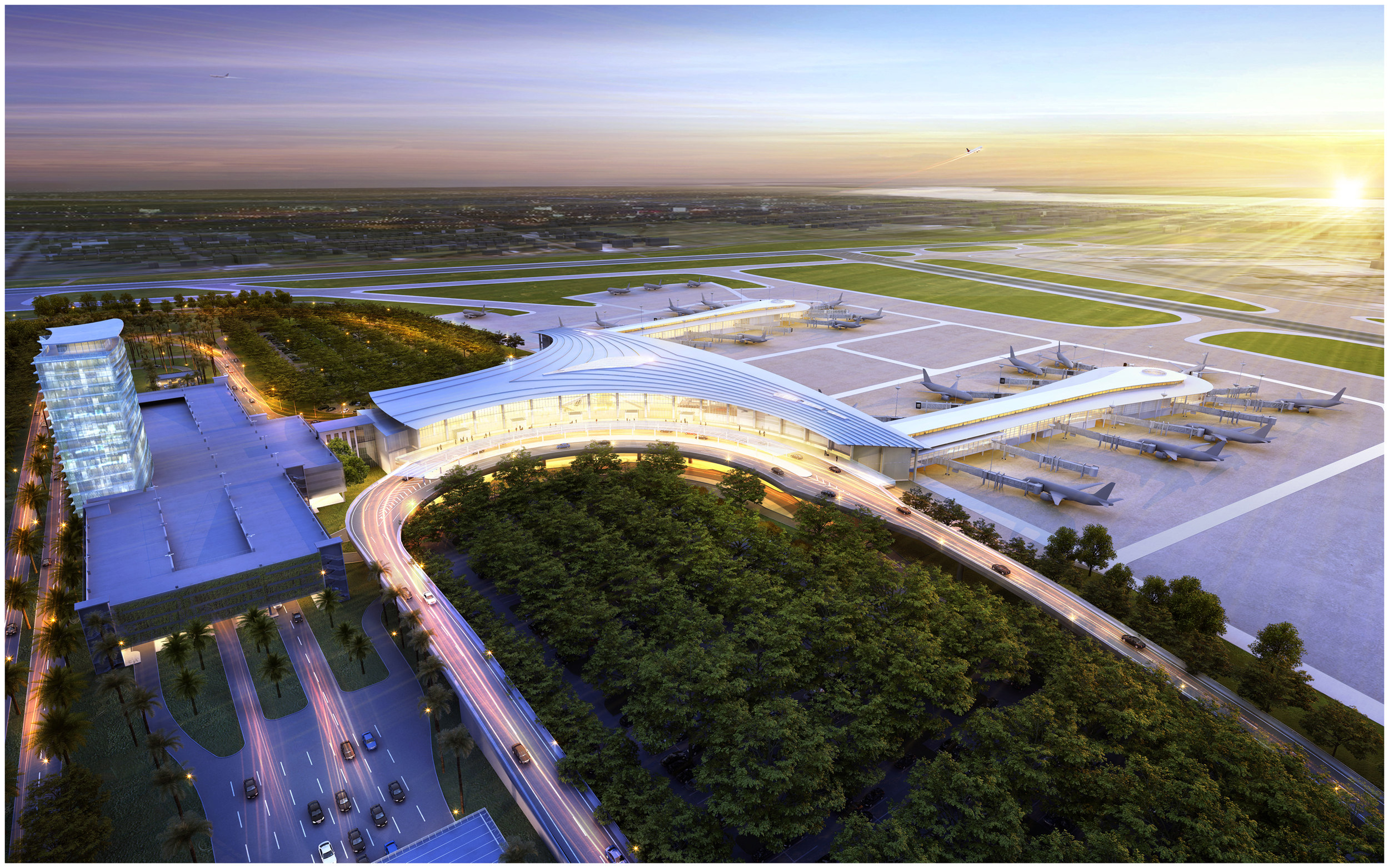
The experience of arriving at Louis Armstrong New Orleans International Airport is characterized by a uniquely local flair. Upon walking through the terminal, travelers are often greeted by the sound of live brass bands, a reminder of the city’s deep-seated musical culture. This cultural immersion begins the moment you collect your bags, transitioning you from the logistical constraints of flight to the sensory-rich experience of the Big Easy.
Why the Legacy Matters
Understanding the acronym MSY adds a layer of depth to the travel experience. It reminds us that every destination is built upon layers of history. When you fly into MSY, you aren’t just arriving in a transit hub; you are arriving in a place that has been a focal point for pioneers, innovators, and cultural icons for over a century. The longevity of the code reflects the city’s commitment to remembering its origins, even as it continues to modernize its facilities to accommodate the millions who flock to visit the Mississippi River and the surrounding cultural landmarks.
In the end, while the name has changed to honor a musical legend, the code remains a tribute to the early days of aviation. It is a quiet homage to the Moisant legacy, ensuring that the spirit of adventure that defined the early days of flight remains present for every traveler passing through the gates. Whether you are coming to attend the Jazz Fest or simply to experience the unique charm of New Orleans, keep an eye on your boarding pass—the letters MSY are a small, historical welcome to a city unlike any other in the world.
LifeOutOfTheBox is a participant in the Amazon Services LLC Associates Program, an affiliate advertising program designed to provide a means for sites to earn advertising fees by advertising and linking to Amazon.com. Amazon, the Amazon logo, AmazonSupply, and the AmazonSupply logo are trademarks of Amazon.com, Inc. or its affiliates. As an Amazon Associate we earn affiliate commissions from qualifying purchases.