
For millions of residents and tourists alike, the New York City Subway is the lifeblood of the metropolis. It is a sprawling, subterranean labyrinth that connects the bustling streets of Manhattan to the vibrant neighborhoods of Brooklyn, Queens, and the Bronx. Yet, for those visiting New York City, the question of safety often lingers. Is it truly secure to navigate this historic transit system, or should one rely solely on ride-sharing services and taxis?
The reality of the subway system is complex, often painted in extremes by headlines but experienced with mundane regularity by commuters. Understanding the dynamics of the system is key to feeling empowered while exploring one of the most iconic cities in the United States.

Understanding the Landscape of Public Transit
To evaluate safety in the New York City Subway, it is essential to distinguish between perceptions fueled by sensationalist media and the statistical realities of one of the world’s largest transit networks.
Statistical Safety vs. Public Perception
Statistically, the subway remains an incredibly safe mode of transportation. With millions of daily riders, the rate of violent crime remains exceptionally low. Most incidents that do occur are concentrated in specific times or stations, rather than being a systemic issue affecting the entire network at all hours. When you consider the sheer volume of humanity moving through the Grand Central Terminal or Times Square every day, the likelihood of a typical tourist encountering a dangerous situation is statistically negligible.
The Role of Transit Authority and Law Enforcement
The Metropolitan Transportation Authority (MTA) works in constant coordination with the New York City Police Department to maintain order. In recent years, there has been an increased visible presence of law enforcement on platforms and trains. This visibility is designed not only to deter criminal activity but to provide a sense of security for commuters. Additionally, modern subway stations are equipped with extensive surveillance camera networks, which assist authorities in monitoring station activity in real-time.
Practical Tips for a Secure Transit Experience
Navigating the New York City Subway requires a blend of common sense and situational awareness—skills that are necessary in any major global city, from London to Tokyo.
Situational Awareness
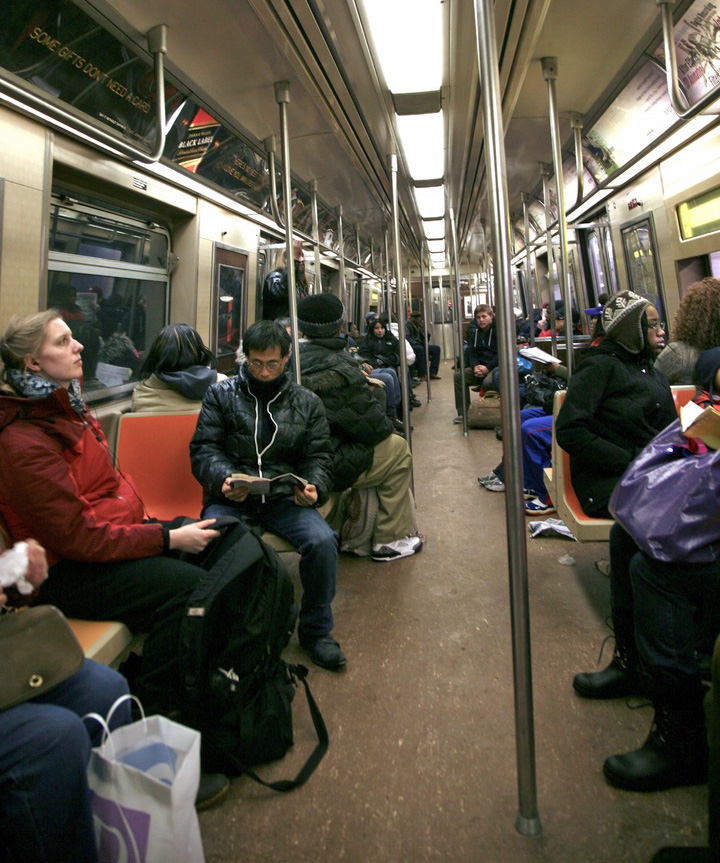
The most effective tool for safety is simply staying aware of your surroundings. While the temptation to bury your head in your smartphone or get lost in a book is high, keeping your eyes up and aware of the people around you is the best deterrent.
- Stay near the conductor: During late-night hours, try to board subway cars that are in the middle of the train, where the conductor’s station is located. These cars are almost always more populated.
- Trust your instincts: If a specific subway car feels uncomfortable or unusually isolated, trust your gut and move to a different car at the next stop. The New York City Subway system allows for free movement between cars while the train is in motion, which provides a level of flexibility that other transit systems do not.

Navigating Late Night Travel
While the subway runs 24/7, the atmosphere changes after midnight. New York City is truly a “city that never sleeps,” but the late-night subway experience is different from the daytime rush. If you are out late, try to stay in well-lit areas on the platforms, near the emergency call boxes or the MTA personnel.
The Cultural Context of New York Transit
The New York City Subway is more than just a means of getting from Central Park to Lower Manhattan. It is a microcosm of the city’s diverse population. For the uninitiated, the intensity of the system can feel overwhelming.
Avoiding Common Tourist Pitfalls
Tourists often make themselves vulnerable by appearing distracted or lost. To navigate like a local:
- Pre-plan your route: Use a mobile app to check your route before entering the station. Avoid standing in the middle of a busy platform trying to figure out which train to take.
- Mind your belongings: Keep your bags in front of you, especially during rush hour when trains are crowded. Pickpocketing is rare but, like in any crowded space in Europe or Asia, it is best to be vigilant with your wallet and phone.
Embracing the Experience
The subway is arguably the best way to see the city. It allows you to traverse the diverse boroughs of New York City without the gridlock of taxi traffic. By understanding that the subway is a public space shared by millions, you can navigate it with confidence. The diversity you encounter—from street performers in Union Square to the varied demographics of every neighborhood—is part of the authentic New York City experience.
When to Consider Alternative Transportation
While the subway is reliable and safe, there are moments when other modes of transport might be preferable. Understanding when to pivot is part of being a savvy traveler.
Personal Comfort vs. Necessity
If you are traveling with large amounts of luggage, or if you are moving between areas that are not well-connected by direct train lines, the subway can be physically taxing. In these cases, using a ride-share service or an official yellow cab is a perfectly acceptable choice. There is no shame in opting for a taxi if it helps you feel more comfortable or saves you significant time, particularly when traveling to John F. Kennedy International Airport or LaGuardia Airport.
The Value of Walking
New York City is a city best explored on foot. Often, a transit trip that takes 20 minutes with transfers might be a 30-minute walk through a beautiful neighborhood. Walking allows you to experience the architecture of the Financial District or the charm of Greenwich Village in a way that remains invisible from underground.
Ultimately, the New York City Subway is a safe, efficient, and essential tool for any traveler. By exercising basic caution, staying aware of your surroundings, and planning ahead, you can traverse the city with the ease of a veteran New York resident. The system is the heartbeat of the city; to ride it is to truly understand the relentless, energetic, and diverse spirit of the Big Apple. Treat the transit system with respect, remain vigilant, and you will find that the New York City Subway is not only safe but an indispensable part of your urban adventure.
LifeOutOfTheBox is a participant in the Amazon Services LLC Associates Program, an affiliate advertising program designed to provide a means for sites to earn advertising fees by advertising and linking to Amazon.com. Amazon, the Amazon logo, AmazonSupply, and the AmazonSupply logo are trademarks of Amazon.com, Inc. or its affiliates. As an Amazon Associate we earn affiliate commissions from qualifying purchases.