
The wilderness of Upstate New York has long been a source of fascination for hikers, outdoor enthusiasts, and wildlife lovers. Stretching from the rolling hills of the Catskill Mountains to the rugged, towering peaks of the Adirondack Park, the region is a tapestry of dense forests and pristine waterways. Yet, as visitors trek through these vast tracts of land, a common question often surfaces: do the haunting howls of wolves still echo through the valleys? To understand the current status of the grey wolf in the Empire State, one must look at the intersection of history, ecology, and the evolving landscape of the Northeastern United States.
The Historical Presence of Wolves in the Northeast
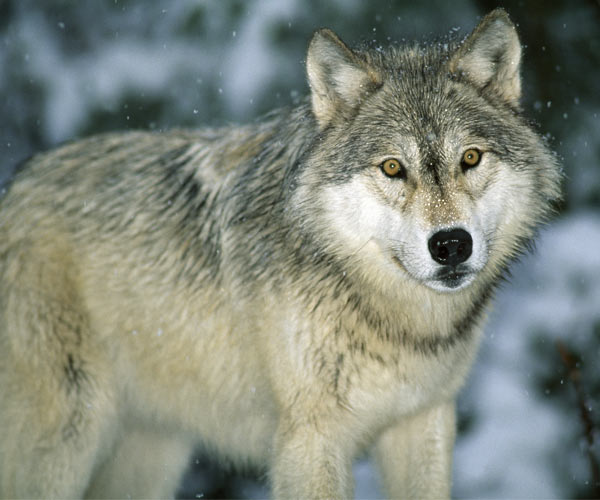
Long before colonial settlement reshaped the ecology of North America, grey wolves were an integral part of the regional ecosystem. They served as a keystone predator, managing populations of white-tailed deer and maintaining the health of the forest understory. However, as pioneers pushed westward and agricultural expansion took root in the 18th and 19th centuries, the relationship between humans and predators soured.
The Era of Eradication
By the mid-1800s, state-sanctioned bounties were established to eliminate wolves, which were viewed as a direct threat to livestock. These campaigns were incredibly effective, and by the late 19th century, the grey wolf had been virtually extirpated from the New England region and the state of New York. For over a century, the forests of the Appalachian Mountains stood silent, devoid of the apex predator that once defined its wild identity. This vacuum allowed deer populations to explode, which eventually led to over-browsing and a decline in forest regeneration—a phenomenon ecologists have studied extensively in sites like the Mohawk Valley and beyond.
Understanding the Current Wildlife Landscape
In recent decades, sightings of large, wolf-like canids have sparked rumors and excitement among local residents and tourists visiting the Finger Lakes or the northern reaches near the Canadian Border. However, professional wildlife biologists from the New York State Department of Environmental Conservation clarify that these sightings are rarely, if ever, pure grey wolves.
The Eastern Coyote Phenomenon
The animal most frequently mistaken for a wolf in Upstate New York is the Eastern Coyote. These animals are significantly larger than the coyotes found in the American West. Genetic research suggests that these coyotes carry a significant percentage of grey wolf DNA, the result of interbreeding that occurred as coyotes expanded their range eastward through Canada and into the Great Lakes region. This hybrid vigor has produced an animal that is more social, bolder, and larger—often reaching weights that lead casual observers to conclude they have spotted a wolf.
Are There Stray Wanderers?
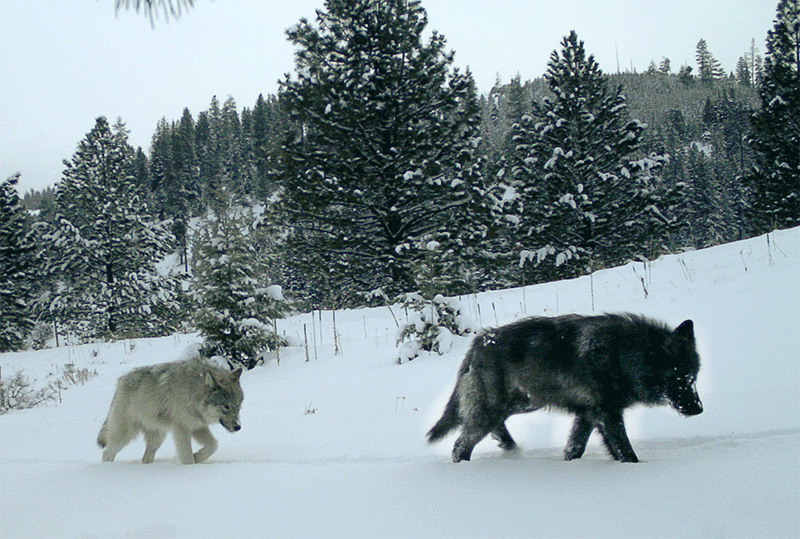
Occasionally, a wolf might cross the border from populations established in Quebec or Ontario. These rare, transient individuals sometimes wander into the St. Lawrence River valley or the deepest wilderness of the High Peaks Wilderness. However, there is no evidence of a self-sustaining, breeding population of grey wolves in the region. Without a pack structure and a mate, these lone wanderers are unlikely to establish the presence required to change the state’s ecological trajectory.
The Debate Over Reintroduction
The possibility of reintroducing wolves to the Adirondack Forest Preserve has been a topic of spirited debate for years. Proponents argue that bringing back this apex predator would help restore natural balance, reduce deer-related tick-borne illnesses, and boost tourism through ecotourism initiatives.
Challenges to Restoration
Opponents of reintroduction point to the high density of human habitation surrounding major protected areas like the Saranac Lake region or the outskirts of Lake Placid. Concerns regarding livestock predation, public safety, and the cultural shift required to coexist with large carnivores remain significant hurdles. Unlike the successful reintroduction in Yellowstone National Park, which is vast and relatively isolated, the landscape of the Eastern Seaboard is fragmented and heavily trafficked. The socio-political landscape of Albany and the concerns of local farming communities ensure that any discussion on this topic remains strictly theoretical for the foreseeable future.
Observing Nature Responsibly
While you are unlikely to encounter a grey wolf during your travels, the New York State wilderness remains one of the most biodiverse and rewarding destinations in the United States. Wildlife enthusiasts can still enjoy observing black bears, moose, bobcats, and the ubiquitous Eastern coyote in their natural habitats.

Best Practices for Wildlife Spotting
If you are planning a trip to the Hudson Valley or the rugged terrain near Whiteface Mountain, consider the following tips for a successful and ethical wildlife experience:
- Maintain Distance: Always use binoculars or a telephoto lens. Getting too close to wildlife, especially predators, puts both you and the animal at risk.
- Respect the Habitat: Stay on marked trails in protected areas like the Catskill Park to minimize your footprint.
- Leave No Trace: Ensure that all food and trash are properly stored. Human food can habituate wildlife and lead to dangerous human-animal interactions.
- Listen and Learn: Many local nature centers and interpretive programs in the North Country offer guided walks that provide deep insights into the region’s predator-prey dynamics without the need for an elusive wolf sighting.
While the “wild” image of the wolf may continue to captivate the imagination of those exploring the quiet trails near Lake George, the reality is that the wolf’s role in the region has changed. Today, the wilderness of the state is defined by resilience and the ongoing evolution of species. Whether you are seeking the solace of the deep woods or the thrill of potential wildlife encounters, the spirit of the Northeast remains a vibrant and essential part of the American landscape. The silence of the forest is not a sign of absence, but rather an invitation to appreciate the complex, surviving beauty of the ecosystem as it exists today.
LifeOutOfTheBox is a participant in the Amazon Services LLC Associates Program, an affiliate advertising program designed to provide a means for sites to earn advertising fees by advertising and linking to Amazon.com. Amazon, the Amazon logo, AmazonSupply, and the AmazonSupply logo are trademarks of Amazon.com, Inc. or its affiliates. As an Amazon Associate we earn affiliate commissions from qualifying purchases.