
Becoming a resident of New York is a transition that many people seek for professional growth, cultural immersion, or simply to embrace the unparalleled energy of the Empire State. Whether you are moving from a neighboring state or relocating from another country, establishing official residency requires a clear understanding of legal, financial, and administrative benchmarks. Moving to a state as diverse as this one involves more than just finding a new apartment; it is about embedding yourself into the state’s tax, civic, and social infrastructure.
Understanding Legal Residency Requirements
The concept of residency in New York State often depends on the context, specifically whether you are filing taxes, applying for government services, or seeking in-state tuition. The state government generally defines a resident based on two primary criteria: domicile and physical presence.
Domicile Versus Residence
In the eyes of the New York State Department of Taxation and Finance, your “domicile” is the place you intend to make your permanent home. It is where you keep your most treasured possessions, where your family resides, and where you hold your social ties. You can only have one domicile at a time. If you move to New York City with the intent to stay indefinitely, you have established a new domicile.
A “resident,” conversely, can be defined as someone who maintains a permanent place of abode in the state and spends more than 183 days of the tax year within its borders. This is often referred to as the “Statutory Resident” test. If you are planning a move, keep meticulous records of your travel dates, as these will be vital if you are ever audited or need to prove your residency status for tax purposes.
The 183-Day Rule
For those who are “snowbirds” or maintain residences in multiple states, the 183-day rule is the golden metric. Even if you consider another state your primary domicile, spending over half the year in New York can trigger tax obligations as if you were a full-time resident. Understanding this distinction early in your transition process will prevent unexpected financial hurdles later on.
Establishing Ties and Administrative Tasks
Once you have made the decision to call the state home, you must signal your presence to the authorities. This is a multi-step process that solidifies your legal standing.
Updating Your Identification
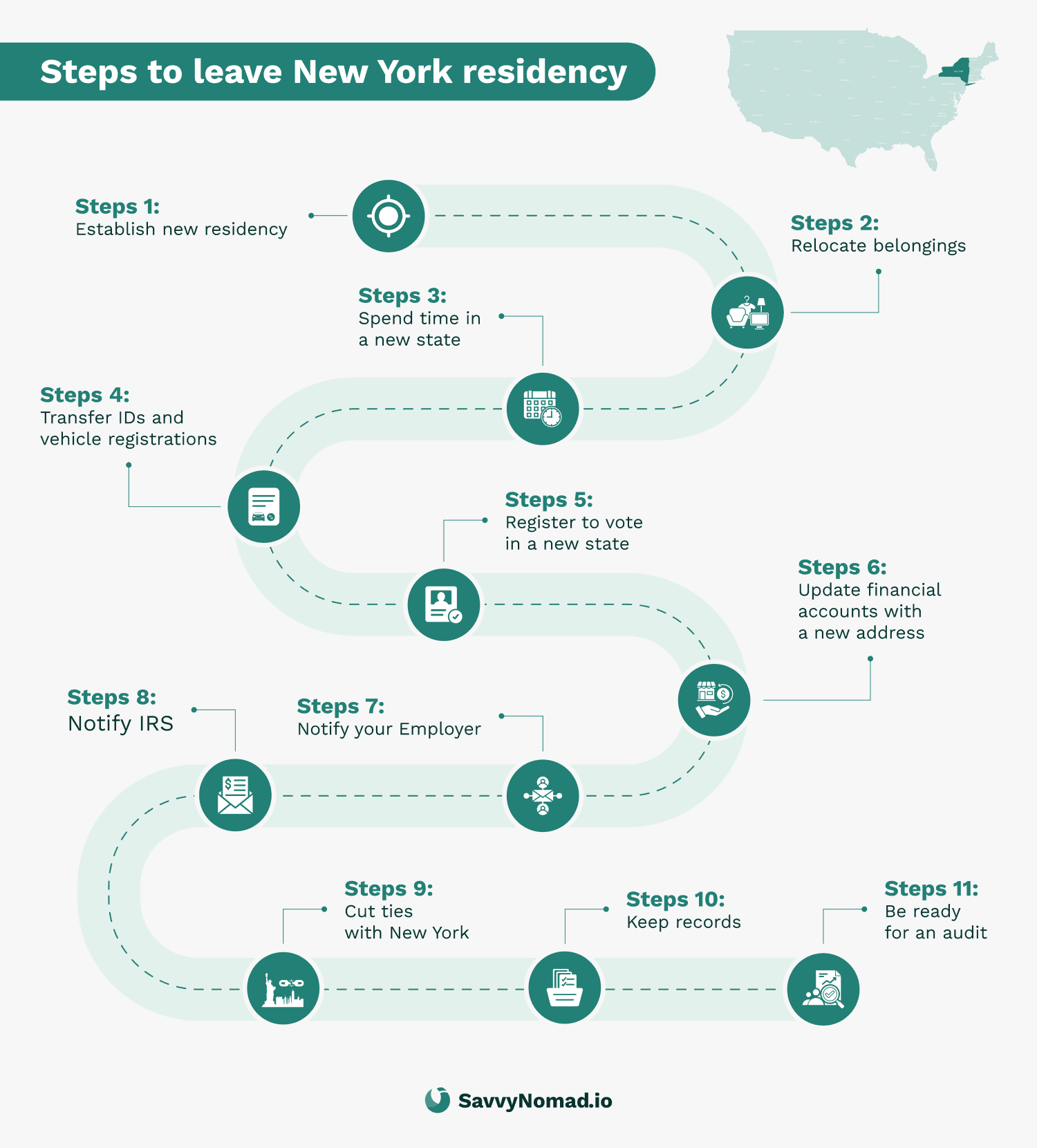
The first tangible step in becoming a resident is updating your credentials. You should visit the New York State Department of Motor Vehicles to obtain a state-issued driver’s license or non-driver identification card. You typically have 30 days after becoming a resident to surrender your out-of-state license and obtain a New York version.

To complete this, you will need to provide proof of identity, proof of date of birth, and proof of residency. Documents such as utility bills, lease agreements, or bank statements showing your new address in cities like Albany, Buffalo, or Rochester will serve this purpose.
Registering to Vote
Civic engagement is a cornerstone of state residency. You can register to vote through the New York State Board of Elections. By registering, you are officially entering the state’s civic system, which is a powerful way to demonstrate your intent to remain a resident. Ensure that your voter registration reflects your current physical address, as this is often cross-referenced with other administrative filings.
Tax Obligations and Filing
Transitioning your tax residency is perhaps the most significant logistical hurdle. If you are earning income in the state, you are generally required to pay New York State income tax. It is highly recommended to consult with a tax professional who specializes in multi-state tax law, especially if you are relocating while maintaining business interests in your previous state of residence. Filing a part-year resident tax return for your year of transition is a common requirement that ensures you pay the correct amount of tax for the period you actually lived in the state.
Navigating Life in the Empire State
Moving to New York is a significant life event that goes beyond paperwork. It is about acclimating to a unique regional lifestyle that ranges from the high-octane pace of Manhattan to the serene landscapes of the Adirondack Mountains or the Finger Lakes region.
Healthcare and Social Services
As a new resident, you should familiarize yourself with the New York State of Health marketplace. Whether you are employed and receiving benefits or seeking individual coverage, understanding the state’s healthcare landscape is crucial. New York has some of the most comprehensive healthcare mandates in the country, ensuring that residents have access to quality care. Ensure that you transition your medical records and find local primary care physicians shortly after arrival.
Educational Residency Requirements
If you or your children are looking to attend public institutions, such as the State University of New York (SUNY) system, residency requirements are strict. Typically, you must prove that you have been a bona fide resident of the state for at least 12 months prior to the start of the semester to qualify for in-state tuition. Documentation such as rent receipts, tax returns, and evidence of employment is usually required by admissions offices to verify your status.
Tips for a Seamless Transition
The transition to becoming a New York resident is much smoother when you approach it methodically. Do not attempt to update everything in a single day; instead, create a checklist and tackle tasks in order of priority.
- Secure Housing: Whether you are buying a home in Long Island or renting in Brooklyn, having a permanent address is the foundation of all other steps.
- Notify Financial Institutions: Update your bank, credit card companies, and investment firms with your new address. This not only keeps your finances in order but also creates a paper trail of your residence.
- Update Professional Licenses: If your career requires a license, such as in law, medicine, or teaching, contact the New York State Education Department or the relevant professional board to transfer your credentials.
- Embrace the Community: Residency is more than an address; it is a community. Visit local museums like the Metropolitan Museum of Art, explore local parks, and engage with the local culture. The more you immerse yourself in the state’s offerings, the more natural the transition to residency will feel.
By following these steps, you will transition from a visitor to a full-fledged resident of New York. The process requires diligence, but the rewards of living in one of the most vibrant and historically significant states in the United States are well worth the effort. Once your paperwork is filed and your ties are established, you can settle into the rhythm of your new life with the peace of mind that you are officially part of the Empire State.
LifeOutOfTheBox is a participant in the Amazon Services LLC Associates Program, an affiliate advertising program designed to provide a means for sites to earn advertising fees by advertising and linking to Amazon.com. Amazon, the Amazon logo, AmazonSupply, and the AmazonSupply logo are trademarks of Amazon.com, Inc. or its affiliates. As an Amazon Associate we earn affiliate commissions from qualifying purchases.