
Navigating the professional driving landscape in New York City requires more than just a standard state-issued driver’s license. For those looking to participate in the bustling transit economy of the five boroughs, obtaining a Taxi and Limousine Commission (TLC) license is the essential gateway. This credential is what differentiates a casual commuter from a professional driver authorized to operate yellow cabs, green b cabs, black cars, and ride-sharing services throughout this iconic metropolis.
Prerequisites and Eligibility Requirements
Before beginning the application process, it is critical to ensure that you meet the baseline requirements set by the New York City Taxi and Limousine Commission. The regulatory landscape is strict, designed to maintain the safety and reliability of the transit network serving millions of residents and visitors alike.
Age and Licensing Status
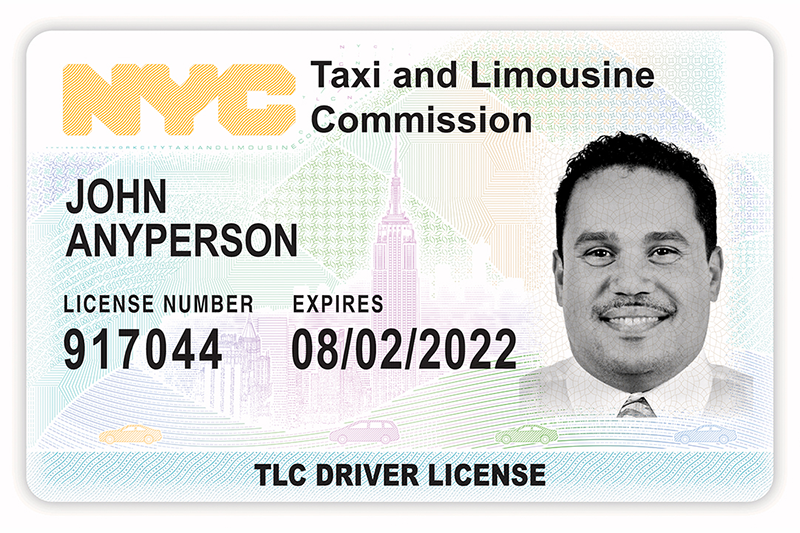
To be eligible, you must be at least 19 years of age. Furthermore, you must hold a valid probationary or permanent driver’s license issued by the New York State Department of Motor Vehicles. If you hold an out-of-state license, you must successfully convert it to a New York State license before you can proceed with the TLC application. The commission requires that your driving history reflect a high level of responsibility; an excessive number of points on your license or serious moving violations can result in immediate disqualification.
Background Checks and Medical Fitness
The United States legal standards regarding professional transport require a clean background. As part of your application, you will undergo a comprehensive fingerprint-based criminal background check. Additionally, you must be able to demonstrate physical and mental fitness to operate a vehicle for extended hours. This often requires a medical examination performed by a licensed physician, documented on forms provided by the TLC.
The Application and Educational Pathway
Once you have confirmed your eligibility, the path toward becoming a licensed driver in Manhattan, Brooklyn, Queens, The Bronx, or Staten Island follows a structured sequence. The TLC has modernized much of this process, moving most administrative tasks to their online portal, LARS (Licensing and Application Resource System).
Completing the Defensive Driving Course
Professionalism in New York City traffic is paramount. All applicants are required to complete a state-approved Defensive Driving Course. This program is not merely a formality; it is designed to sharpen your awareness of road hazards, traffic laws, and the complex gridlock often encountered near major landmarks like Times Square or Grand Central Terminal.
The Wheelchair Accessible Vehicle (WAV) Training
In an effort to ensure equitable service for all passengers, the TLC mandates that all new drivers undergo training on how to properly assist passengers with disabilities. This includes instruction on securing wheelchairs safely within a vehicle and understanding the specific needs of passengers with limited mobility. Completing this training is a non-negotiable step in the certification process, ensuring that the city’s transit infrastructure remains accessible to everyone.

The TLC Examination
Perhaps the most daunting hurdle for many is the TLC examination. This test covers a wide range of topics, including local geography, traffic safety, commission rules, and passenger service expectations. A firm grasp of the city’s primary thoroughfares, bridges, and tunnels—such as the Brooklyn Bridge or the Queens-Midtown Tunnel—is essential. Studying the “TLC Driver’s License Study Guide” provided on the commission’s website is the most effective way to prepare for the rigorous questioning you will face on exam day.
Administrative Processing and Licensing Fees
The administrative side of obtaining a TLC license involves a commitment of both time and capital. Unlike standard driver’s licenses, the TLC license requires specific fees associated with application processing, fingerprinting, and exam scheduling.
Navigating the Licensing Fees
Prospective drivers should be prepared for several costs, including:
- Application Fee: An initial non-refundable processing fee.
- Background Check Fees: Costs associated with processing your fingerprints through the New York State Division of Criminal Justice Services and the Federal Bureau of Investigation.
- Exam Fee: The cost associated with sitting for the required TLC licensing examination.
- License Issuance Fee: The final fee paid upon successfully meeting all requirements to have your physical license card mailed to your registered address.
Drug Testing Requirements
Public safety is the primary pillar of the TLC’s mandate. Applicants are required to undergo a mandatory drug test at a commission-approved laboratory. This is a recurring requirement, meaning you must be prepared to remain compliant with the TLC’s drug and alcohol policy throughout the entirety of your career as a professional driver.
Professional Conduct and Maintaining Compliance
Earning your license is only the first step. Operating a vehicle under the authority of the New York City Taxi and Limousine Commission entails significant responsibilities. The city monitors driver behavior closely, and maintaining your license requires adherence to a strict code of conduct.
Ongoing Continuing Education
The transportation industry in North America is constantly evolving. Drivers are often required to complete continuing education courses to renew their licenses periodically. These courses focus on updates to traffic regulations, advancements in safety technology, and changes to the rules of engagement with passengers. Staying current is the best way to avoid fines or the suspension of your operating privileges.
Passenger Service and Cultural Etiquette
As a licensed TLC driver, you are an ambassador for the city. Whether you are picking up travelers at John F. Kennedy International Airport or navigating the late-night crowds in SoHo, your conduct defines the passenger experience. The commission emphasizes the importance of courtesy, fair pricing, and route efficiency. Failure to uphold these standards can lead to consumer complaints, which are investigated by the TLC and can negatively impact your record.
License Renewal and Recertification
A TLC license is not a permanent status; it must be renewed every few years. The renewal process involves verifying that your state-issued driver’s license remains valid, that you have not accumulated excessive violations, and that you have met any new requirements implemented by the commission. Always monitor your email and the LARS portal for expiration notices, as allowing your license to lapse can result in a difficult and costly reinstatement process.
By following these guidelines and maintaining a professional demeanor, you can secure your place among the thousands of drivers who keep New York City moving. Whether you aspire to drive a iconic yellow medallion taxi or join the ranks of the modern app-based fleet, the TLC license provides the legal framework for a rewarding career in one of the world’s most dynamic cities. Remember that diligence in your initial application—and consistency in your daily operations—are the true keys to long-term success in the competitive and fast-paced environment of urban professional transport.
LifeOutOfTheBox is a participant in the Amazon Services LLC Associates Program, an affiliate advertising program designed to provide a means for sites to earn advertising fees by advertising and linking to Amazon.com. Amazon, the Amazon logo, AmazonSupply, and the AmazonSupply logo are trademarks of Amazon.com, Inc. or its affiliates. As an Amazon Associate we earn affiliate commissions from qualifying purchases.