
Traveling from the bustling heart of the American South to the frantic, electric energy of the Northeast is a journey that captures the true scale of the United States. For many, the route between Atlanta and New York City is more than just a commute; it is a transition between two distinct cultural landscapes. Whether you are planning a cross-country road trip, a quick flight, or a scenic train ride, understanding the distance and the logistical realities of this trek is the first step in crafting the perfect itinerary.
Mapping the Distance: Road, Air, and Rail
Understanding the distance depends heavily on your chosen mode of transport. The physical distance between the two cities is approximately 850 miles if you are tracking the most direct route along the Interstate 95 corridor and connecting highways. However, the “distance” often feels different depending on how you choose to cover the ground.
Driving the Eastern Seaboard
If you elect to drive, you are looking at a journey of roughly 13 to 15 hours of pure driving time, assuming traffic remains manageable. The route generally takes you through Georgia, South Carolina, North Carolina, Virginia, Maryland, Delaware, New Jersey, and finally into New York. While the mileage stays constant, the terrain shifts from the rolling Piedmont hills of the South to the densely populated urban sprawl of the Mid-Atlantic.
Taking to the Skies
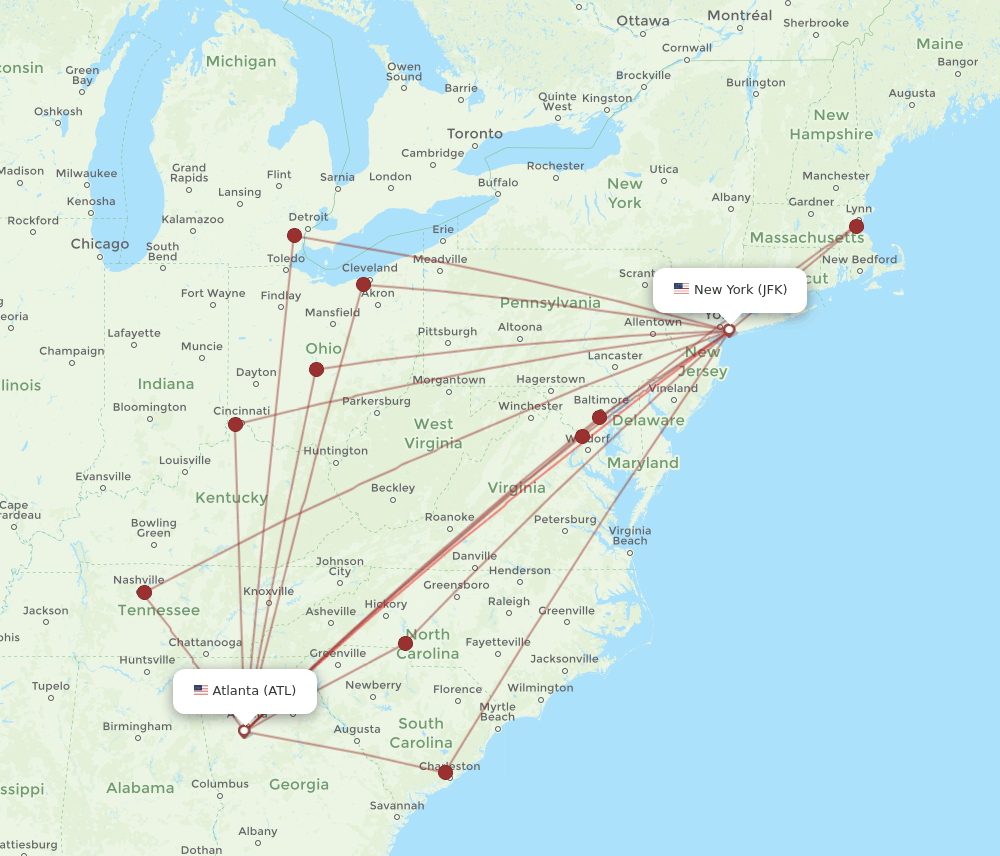
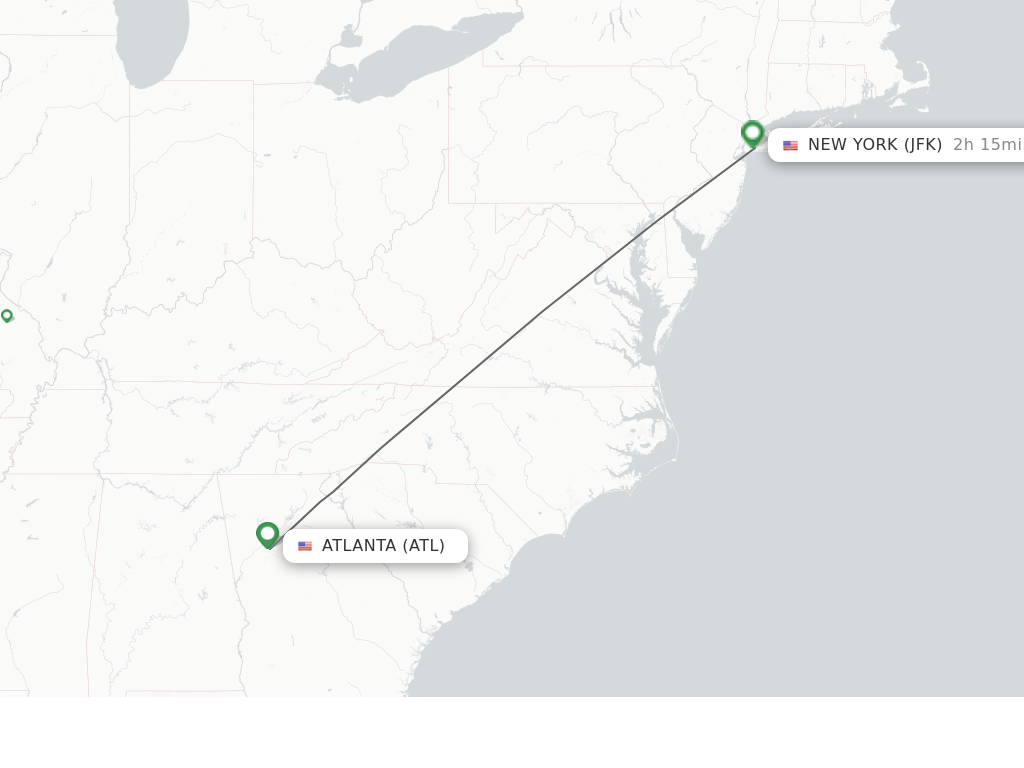
For those prioritizing efficiency, the flight path is significantly shorter. A non-stop flight from Hartsfield-Jackson Atlanta International Airport to either John F. Kennedy International Airport or LaGuardia Airport usually clocks in at just under two hours in the air. When you account for security, boarding, and taxiing, the total travel time is closer to four or five hours. This remains the most popular method for business travelers and weekend tourists alike.
The Scenic Rail Route
Traveling by train offers a completely different perspective. The Amtrak service provides a unique, albeit slower, way to experience the geography of the East Coast. While it isn’t the high-speed experience one might find in Europe, the journey allows passengers to witness the transformation of the landscape as they head north. It is a contemplative way to bridge the 850-mile gap.
Strategic Stops Along the Way
One of the greatest advantages of driving from Atlanta to New York City is the ability to break up the monotony of the highway with meaningful stops. Because the route traverses the historic backbone of the United States, there are dozens of opportunities to enrich your travel experience.
Southern Charm in the Carolinas
As you depart Georgia, the first major hubs you encounter are in the Carolinas. Charlotte provides a great mid-sized city stop if you are looking for local dining or a quick stretch. Further north, the historic beauty of Charleston or the academic atmosphere of Raleigh offer distinct breaks before hitting the Virginia state line.
Exploring Virginia and the Mid-Atlantic
As you enter Virginia, the landscape becomes steeped in early American history. Stopping in Richmond or taking a detour to visit the historic sites in Williamsburg can turn a standard travel day into a historical excursion. Moving further north into Maryland, Baltimore serves as a final major urban waypoint before you enter the dense urban corridor that eventually leads you into the Big Apple.
Planning for Traffic and Logistics
The distance between these two titans of American culture is often mitigated or exacerbated by the notorious traffic found along the I-95 corridor. Planning your departure times is just as important as measuring the mileage.
The “D.C. and Philly” Factor
Regardless of how far the map says you are from New York City, your progress will almost certainly be dictated by the traffic patterns around Washington D.C. and Philadelphia. These two metropolitan areas act as massive bottlenecks. Attempting to traverse Maryland or Pennsylvania during rush hour can add hours to your total trip time, effectively making your journey seem significantly longer than 850 miles.
Best Practices for Long-Distance Road Travel
To keep the drive manageable, aim to leave Atlanta very early in the morning—often before dawn—to clear Charlotte before the midday surge. Many travelers find that breaking the trip into two days is the most professional and stress-free approach. Staying overnight in a city like Richmond or Fayetteville allows you to arrive in New York City refreshed, rather than exhausted from a grueling 15-hour stint behind the wheel.
Embracing the Journey
Ultimately, the distance between these two iconic cities is a gateway to experiencing the variety of the American landscape. Whether you are looking for the sweet tea and hospitality of the South or the relentless pace and unparalleled cultural density of New York City, the trip itself offers a narrative arc.
Choosing Your Style of Travel
- The Efficient Traveler: Flies from Hartsfield-Jackson to a New York City area airport to maximize time at the destination.
- The Sightseer: Takes two days to drive the route, stopping to enjoy the local history of Virginia and the culinary delights of the Mid-Atlantic.
- The Relaxed Commuter: Books a ticket on Amtrak, enjoying the ability to work, read, or watch the East Coast pass by from a comfortable seat.
As you weigh the logistics of your upcoming trip, remember that the miles are merely the framework. The true value lies in the transition between two of the most significant powerhouses of the United States. By understanding the distance, respecting the traffic patterns, and planning for stops along the Eastern Seaboard, you transform a simple commute into a meaningful chapter of your travel story. Whether you favor the speed of the sky or the grounded reality of the open road, the path from Atlanta to New York City is one of the most storied routes in the nation, offering a perfect blend of adventure and convenience for every type of traveler.
LifeOutOfTheBox is a participant in the Amazon Services LLC Associates Program, an affiliate advertising program designed to provide a means for sites to earn advertising fees by advertising and linking to Amazon.com. Amazon, the Amazon logo, AmazonSupply, and the AmazonSupply logo are trademarks of Amazon.com, Inc. or its affiliates. As an Amazon Associate we earn affiliate commissions from qualifying purchases.