
Traveling between New York and Toronto offers a fascinating journey across the international border between the United States and Canada. Whether you are a business professional moving between global financial hubs or a traveler looking to experience the vibrant culture of two of North America’s most iconic metropolises, understanding the distance and travel logistics is essential for a seamless itinerary.
Understanding the Geographical Distance and Travel Times
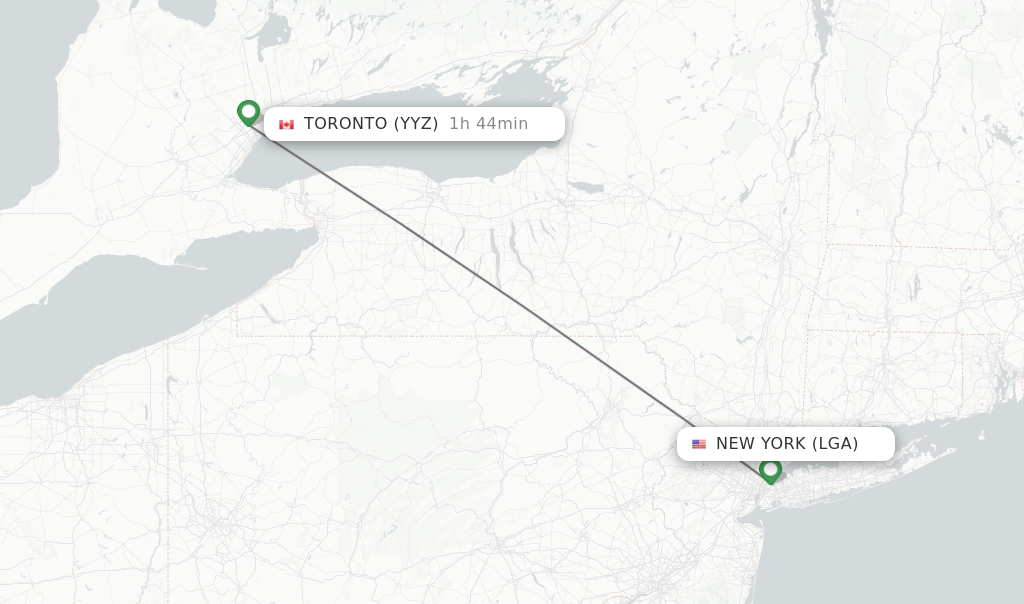
The physical distance between New York City and Toronto is approximately 480 miles (770 kilometers) as the crow flies. However, depending on your chosen mode of transportation, the actual travel distance will vary slightly as you navigate the highways and flight paths spanning the Northeast region.
Flight Duration
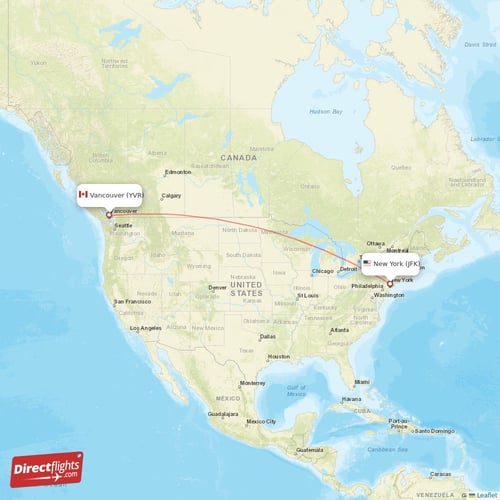
Flying is undoubtedly the fastest way to bridge the distance. A direct flight between John F. Kennedy International Airport or LaGuardia Airport and Toronto Pearson International Airport typically takes about 1 hour and 30 minutes to 1 hour and 45 minutes in the air. When you factor in security, boarding, and baggage claim, you should allocate roughly 4 to 5 hours of total transit time.
Driving Logistics
If you choose to drive, the journey typically takes between 8 and 10 hours, depending on traffic conditions and border wait times. The primary route takes travelers through the Finger Lakes region of New York State and across the border into Ontario. The drive is scenic, particularly as you approach the Great Lakes basin.
Navigating the Border Crossing Experience
Crossing an international border adds a layer of preparation that is not required for domestic travel. Whether you are driving or taking the train, crossing from the United States into Canada requires careful planning regarding documentation and customs regulations.
Documentation Requirements
All travelers must carry a valid passport or an enhanced driver’s license if arriving by land. For those flying, a passport is mandatory. It is essential to ensure that your travel documents are up to date and that you are aware of any current visa requirements for your specific nationality.
Border Crossing Points
Most drivers traveling from New York to Toronto will cross via the Buffalo–Fort Erie corridor. The Peace Bridge is the most common entry point. Depending on the time of day and the season, wait times at the border can fluctuate significantly. It is highly recommended to check local traffic and border service apps to monitor live wait times before departing.
Scenic Routes and Road Trip Considerations
While the fastest route is the most efficient, there is a certain charm to the road trip between these two iconic cities. For those who enjoy the journey as much as the destination, there are several ways to break up the drive.
The Adirondack Route
Many travelers prefer to take a route that skirts the edge of the Adirondack Mountains. This offers a significantly more picturesque drive than the standard interstate highways, especially during the autumn season when the foliage turns vibrant shades of orange and red.
Stops Along the Way
A trip from New York to Toronto passes through several notable locations that are worth a visit:
- Syracuse: A great mid-point to stop for lunch or a quick stretch.
- Rochester: Known for its unique culinary scene and proximity to the Erie Canal.
- Niagara Falls: If you are willing to take a slight detour, this is perhaps the most famous attraction in the region and serves as a spectacular gateway into Canada.
Comparing Transportation Methods for Different Travelers
Determining the “best” way to cover the distance depends entirely on the traveler’s priorities: time, budget, or the desire for scenery.
For the Business Traveler
For those on a strict schedule, air travel is the only logical option. Frequent shuttle services between New York City and Toronto cater to corporate travelers, offering flexible schedules and quick access to Downtown Toronto via the UP Express train from the airport.
For the Budget-Conscious
Buses such as Greyhound or Megabus offer a cost-effective way to make the trip. While the travel time is significantly longer—often 12 to 14 hours—it allows for substantial savings on travel expenses. This is often the preferred method for students and solo backpackers exploring North America.
For the Sightseer
Driving your own vehicle offers the most freedom. It allows you to set your own pace, stop at hidden gems, and carry more luggage, which is particularly beneficial for families or those planning a longer stay.

Final Tips for Your Journey
Regardless of your chosen mode of transport, preparation is the key to a successful trip.
- Currency Exchange: While both Canada and the United States are modern economies, having a small amount of local currency on hand is always a good practice, though credit cards are widely accepted in both Toronto and New York.
- Mobile Connectivity: Check with your cellular provider to ensure you have an international roaming plan. Avoiding unexpected data charges will make your transition between countries much smoother.
- Packing for Weather: Both New York and Toronto experience four distinct seasons. If you are traveling in the winter, ensure you are prepared for snowy conditions, as the Great Lakes can cause significant lake-effect snow along the driving route.
By understanding the distance and the logistical realities of traveling from New York to Toronto, you can better manage your expectations and ensure a smooth experience. Whether you choose the efficiency of the skies or the adventure of the road, both cities offer world-class attractions, rich history, and unforgettable experiences that make the journey well worth the effort. From the bustling streets of Manhattan to the diverse neighborhoods of Toronto, these two cities represent the best of North America. Plan your route, check your documents, and get ready for a memorable journey across the border.
LifeOutOfTheBox is a participant in the Amazon Services LLC Associates Program, an affiliate advertising program designed to provide a means for sites to earn advertising fees by advertising and linking to Amazon.com. Amazon, the Amazon logo, AmazonSupply, and the AmazonSupply logo are trademarks of Amazon.com, Inc. or its affiliates. As an Amazon Associate we earn affiliate commissions from qualifying purchases.