
Traveling between Toronto and New York is a quintessential North American journey, connecting the financial heartbeat of Canada with the unparalleled energy of the United States. Whether you are planning a business trip, a weekend getaway, or a long-awaited vacation, understanding the distance and the logistical realities of the route is the first step toward a seamless travel experience. Spanning roughly 500 miles (800 kilometers) as the crow flies, the real-world travel time depends entirely on your chosen mode of transport and the complexities of international border crossings.
Assessing Travel by Road: The Scenic Drive
Driving between Toronto and New York offers the ultimate flexibility, allowing travelers to set their own pace and explore the varied landscapes of Ontario and New York State.
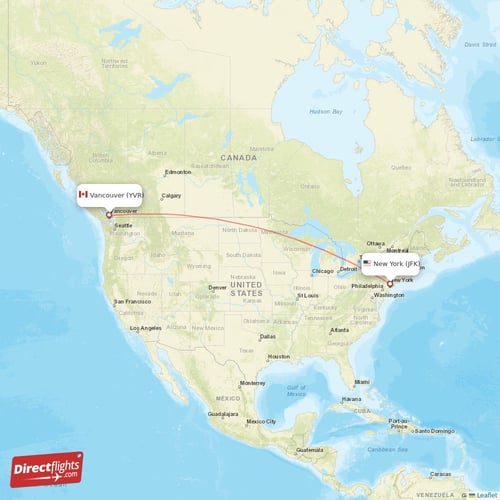
Distance and Timing
The driving distance is approximately 790 to 830 kilometers, depending on whether you take the route through Buffalo or opt for the scenic path through the Finger Lakes region. Under ideal conditions, the drive typically takes between eight and ten hours. However, travelers should factor in mandatory stops and potential congestion, especially when navigating the outskirts of Manhattan.
Border Crossings and Considerations
One of the most significant variables in road travel is the Peace Bridge crossing at Fort Erie. Border wait times can fluctuate significantly based on the time of day, day of the week, and holiday seasons. It is essential to carry valid travel documentation and check live border wait time apps before departing. Furthermore, the route takes you through beautiful areas such as Syracuse and Binghamton, which are excellent spots to stretch your legs and enjoy a meal before the final push into the city.
Taking to the Skies: Efficiency and Convenience
For those who prioritize time over the experience of the open road, air travel is the most efficient method to traverse the distance between these two metropolises.
Flight Duration
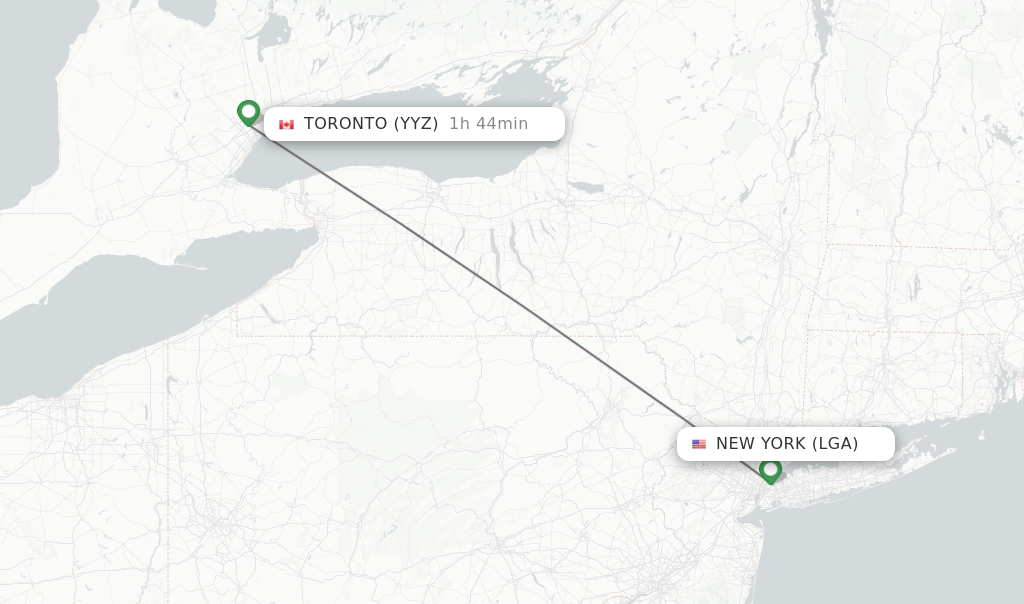
Flying from Toronto Pearson International Airport to John F Kennedy International Airport or LaGuardia Airport typically takes about 90 minutes in the air. When you add the time required for security checkpoints, boarding, and baggage claim, the total door-to-door transit time usually falls within the four to five-hour range.

Airline Options and Accessibility
Several major carriers provide frequent service between these hubs, making it one of the most accessible international corridors in North America. Because the flight is relatively short, it is often preferred by business travelers who need to maintain a strict schedule. If you are flying into Newark Liberty International Airport, keep in mind that although it is located in New Jersey, it offers excellent transit links directly into the heart of New York City.
Rail and Bus: A Relaxed Approach
If you prefer to avoid the stress of driving or the confines of an airport, taking the bus or train is a viable alternative that allows you to enjoy the changing vistas of the Northeast without having to focus on the road.
Intercity Bus Services
Bus services offer a budget-friendly way to travel between Ontario and the United States. While the duration is significantly longer than flying—often ranging from 10 to 12 hours—modern coaches are equipped with Wi-Fi and reclining seats, making the journey relatively comfortable. You will traverse major highway arteries, providing a front-row seat to the industrial and natural landscapes of the border regions.
Rail Considerations
While there is currently no direct high-speed rail line connecting Toronto directly to New York City, travelers can utilize connecting services that traverse the Niagara River. Rail travel is often lauded for its comfort and scenic routes, particularly when moving through the Hudson Valley as you approach the city. It remains a popular choice for those who enjoy the romantic notion of train travel and have a more flexible itinerary.
Navigating the Arrival: Making the Most of Your Trip
Once you have successfully covered the distance, the excitement of arriving at your destination is unmatched. Whether you choose to travel by road, air, or rail, the transition from the sophisticated urban culture of Toronto to the iconic landmarks of New York City is a journey worth taking.
Planning Your Itinerary
When planning, consider the season. Driving in the winter months through the Great Lakes area can be unpredictable due to snowfall, which may significantly increase travel time. Conversely, flying during peak holiday periods often results in higher fares and busier airports.
Maximizing Your Travel Time
Regardless of how you get there, the key to a successful journey is preparation. If driving, ensure your vehicle is winter-ready if traveling between November and March. If flying, consider booking mid-week flights to avoid the heaviest crowds. Once you reach New York, you will find yourself in one of the world’s most vibrant cultural epicenters. Whether you are heading to Times Square, catching a show on Broadway, or visiting the Statue of Liberty, the effort required to cover the distance is quickly forgotten once you are immersed in the city’s legendary atmosphere.
Ultimately, the distance between these two iconic cities is more than just a measurement of miles; it is a gateway between two distinct ways of life. By understanding the logistics and planning your trip according to your personal preferences—be it the freedom of the car, the speed of the plane, or the ease of the bus—you ensure that your transit is as rewarding as your final destination. Always check your travel documents, monitor weather reports, and allow for a buffer in your schedule to ensure your transit remains stress-free and enjoyable.
LifeOutOfTheBox is a participant in the Amazon Services LLC Associates Program, an affiliate advertising program designed to provide a means for sites to earn advertising fees by advertising and linking to Amazon.com. Amazon, the Amazon logo, AmazonSupply, and the AmazonSupply logo are trademarks of Amazon.com, Inc. or its affiliates. As an Amazon Associate we earn affiliate commissions from qualifying purchases.