
Traveling between the deep South and the energetic Northeast is a classic American journey. Whether you are moving between these major economic hubs for business or embarking on a cross-country adventure, understanding the distance between Atlanta and New York is the first step in planning your logistics. Spanning roughly 850 miles as the crow flies, the road trip itself covers nearly 900 miles of diverse terrain, traversing the heart of the Atlantic seaboard.
Planning Your Logistics: Modes of Transport
The journey from the peach-filled landscapes of Georgia to the concrete canyons of New York City offers several distinct travel experiences. Each mode of transport—air, rail, or road—provides a unique perspective on the eastern United States.
Air Travel: The Fastest Connection
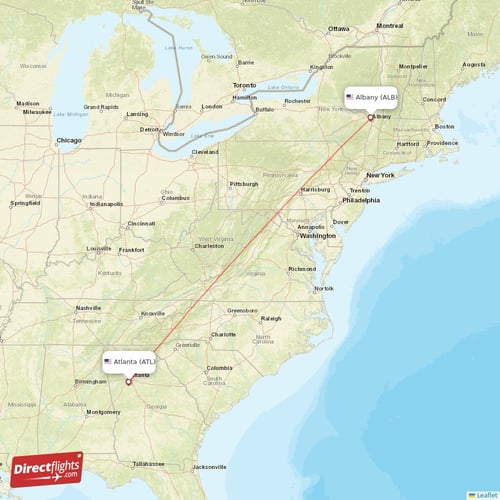
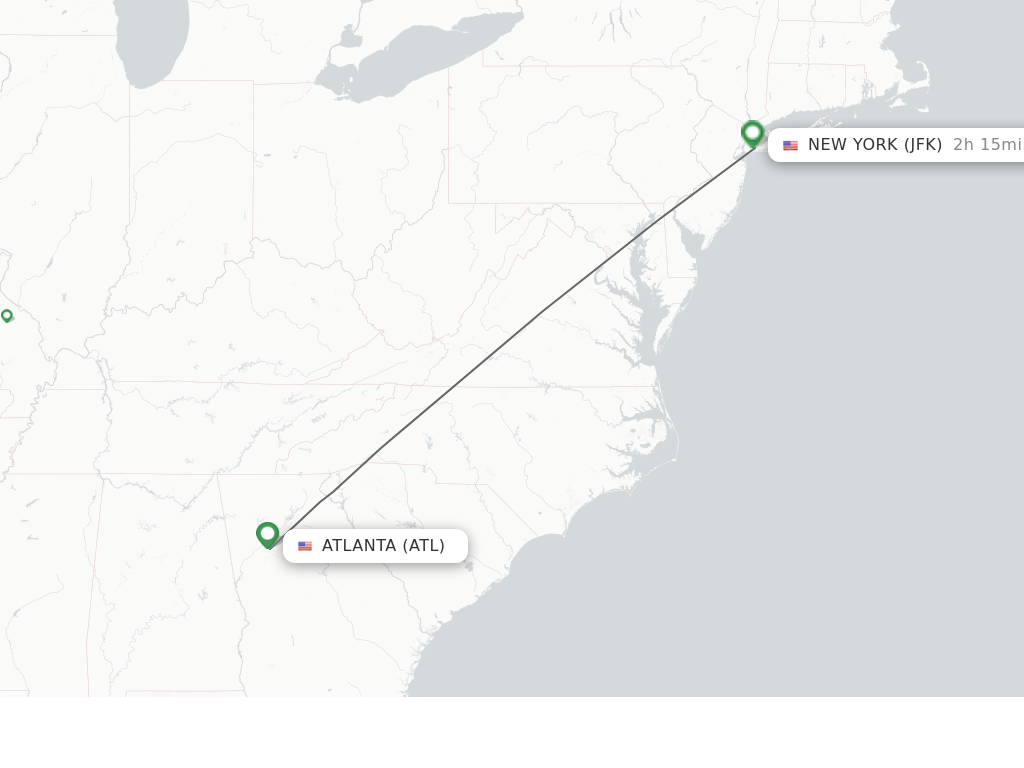
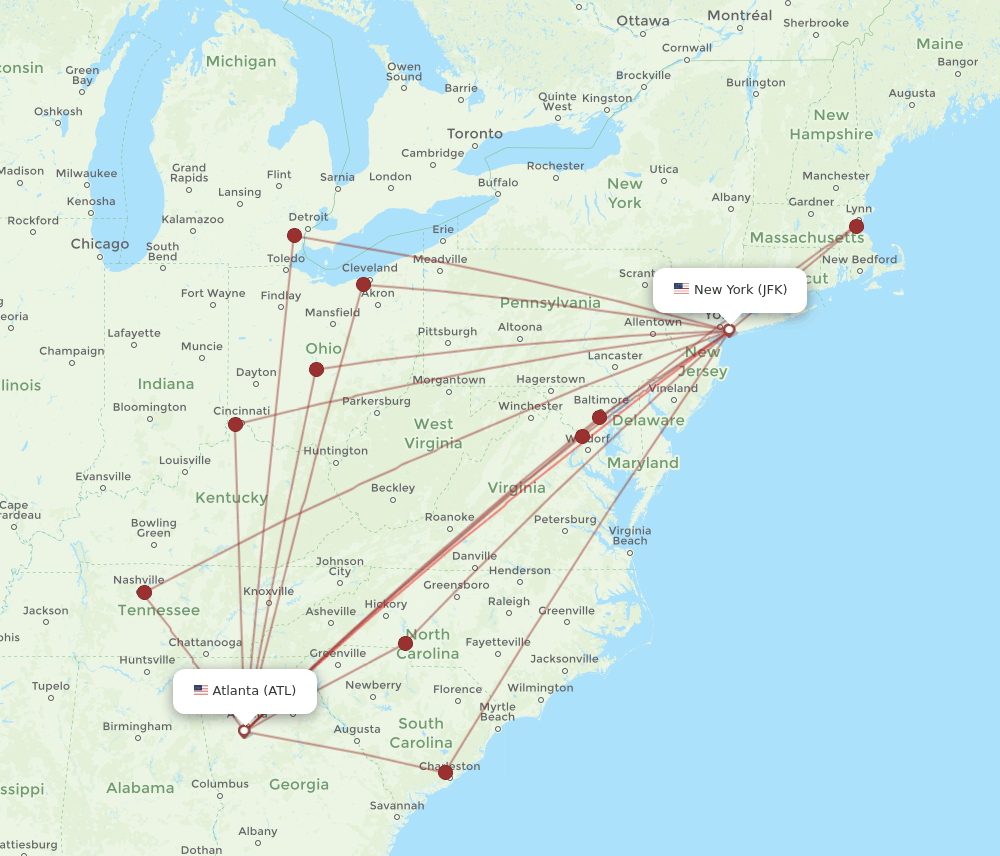
For the time-conscious traveler, flying is the most efficient way to bridge the gap. Commercial flights from Hartsfield-Jackson Atlanta International Airport to John F. Kennedy International Airport or LaGuardia Airport typically take approximately two hours and fifteen minutes in the air. When factoring in security, boarding, and baggage claim, you are looking at a four-to-five-hour travel commitment. Multiple carriers operate this shuttle-style route, making it highly flexible for business commuters.
Rail Transit: A Scenic Alternative
For those who prefer a more relaxed pace, Amtrak offers a rail connection. While there is no high-speed bullet train directly linking these two cities, passengers can enjoy the Crescent line. This journey takes roughly 20 to 22 hours. It is an ideal option for travelers who want to avoid the stress of airports and prefer to watch the changing scenery of the Carolinas, Virginia, and the Mid-Atlantic region roll past their windows.
The Great American Road Trip: Navigating the I-85 and I-95 Corridor
Driving from Atlanta to New York is a quintessential American experience. The drive typically takes between 13 and 15 hours of pure driving time, depending on traffic density in major metropolitan areas. Most travelers prefer the route that utilizes Interstate 85 north, transitioning into Interstate 95 after passing through Richmond and Washington D.C..
Strategic Stops Along the Way
A trip of this length is best enjoyed with strategic stopovers. Breaking the drive into two days allows you to explore historic sites without feeling exhausted upon arrival in the Big Apple.
- Charlotte, North Carolina: A perfect mid-way point for a first-day stop. It offers excellent dining and a chance to explore the vibrant uptown area before hitting the road early the next morning.
- Richmond, Virginia: A city steeped in history, Richmond provides a fascinating look into the past with its colonial-era architecture and proximity to the James River.
- Philadelphia, Pennsylvania: As you approach your final destination, a stop in Philadelphia offers a chance to see the Liberty Bell or grab a famous cheesesteak before the final two-hour stretch into New Jersey and eventually New York City.
Traffic Considerations and Timing
The most significant variable in your travel time is the heavy congestion surrounding major urban centers. Navigating the Capital Beltway near Washington D.C. or the Baltimore Harbor Tunnel can add hours to your trip if timed incorrectly. It is highly recommended to avoid these areas during traditional morning and evening rush hours. If possible, plan your drive to pass through these bottlenecks during mid-morning or mid-afternoon hours.
Preparing for Your Arrival: From Southern Hospitality to Northern Pace
Transitioning from the atmosphere of Atlanta to New York involves more than just physical travel; it is a shift in rhythm and culture.
The Southern Experience
Before you leave Georgia, take time to soak in the relaxed pace and the world-renowned southern hospitality. From the Georgia Aquarium to the historic neighborhoods of Old Fourth Ward, the city offers a unique blend of modern innovation and deep-rooted traditions. Ensuring your vehicle is prepared for the long haul—checking tire pressure, fluids, and battery health—is essential before embarking on the long trek north.
The Northern Intensity
Upon reaching the northern end of your journey, the landscape shifts dramatically. Whether you are arriving at Penn Station or driving through the Lincoln Tunnel, the pace of life immediately accelerates. New York City is a high-octane environment that operates around the clock.
If you are planning to drive into the city, remember that parking is a significant logistical challenge. Many visitors choose to drop their cars at a secure parking garage in New Jersey and take the PATH train into Manhattan. This strategy saves both money and the frustration of navigating extremely narrow streets and limited street-side parking.
Essential Tips for the Interstate Traveler
Regardless of how you choose to make the journey, preparation is the key to success.
- Tolls: The corridor between Atlanta and New York is heavily tolled, especially once you hit Maryland and Delaware. Investing in an E-ZPass transponder before you leave will save you significant time at toll booths and allow you to take advantage of express lanes.
- Weather Awareness: During the winter months, weather can be unpredictable. Heavy snowfall in the Appalachian Mountains or along the Northeast corridor can delay flights and make highway driving treacherous. Always check regional weather reports before finalizing your travel dates.
- Accommodations: If you are planning an overnight stay, book your hotels well in advance, particularly if you are planning to stop in popular tourist areas like Charleston (if taking a scenic detour) or Philadelphia. Knowing exactly where you are resting each night reduces travel fatigue and makes the experience far more enjoyable.
Ultimately, the distance between Atlanta and New York is more than just a measurement of miles. It is a transition between two of the most influential cultural hubs in the United States. Whether you choose the speed of an airplane, the scenic route by train, or the immersive experience of the open road, the journey allows you to witness the diversity and vastness of the American landscape. With a little planning and a spirit of adventure, the trek from the South to the North becomes a memorable chapter in your travel history.
LifeOutOfTheBox is a participant in the Amazon Services LLC Associates Program, an affiliate advertising program designed to provide a means for sites to earn advertising fees by advertising and linking to Amazon.com. Amazon, the Amazon logo, AmazonSupply, and the AmazonSupply logo are trademarks of Amazon.com, Inc. or its affiliates. As an Amazon Associate we earn affiliate commissions from qualifying purchases.