
For travelers based in the United States, the allure of the Atlantic Ocean often leads to a search for the perfect getaway. Among the most popular queries is the distance between the bustling energy of New York and the serene, turquoise shores of Bermuda. Understanding the logistics of this journey is the first step toward transforming a dream vacation into a tangible itinerary. Whether you are looking for a weekend escape or a longer retreat, knowing the spatial and temporal reality of this route is essential for effective planning.
Aerial Geography: The Distance Between Two Worlds
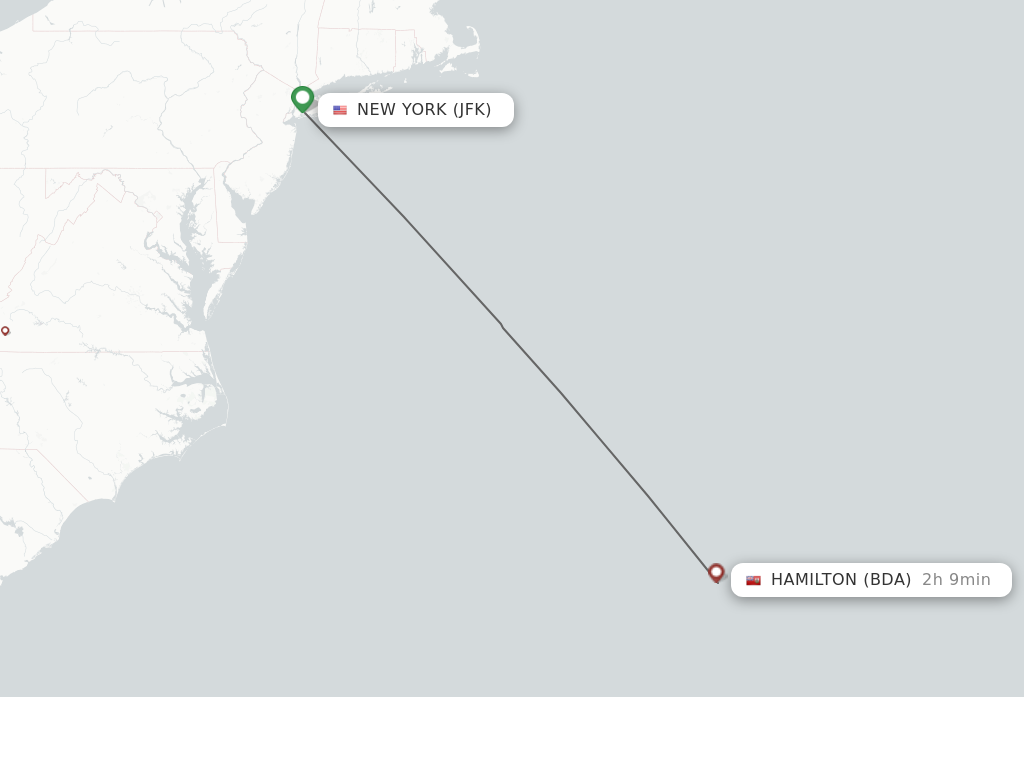
When measuring the distance between New York City and Hamilton, the capital of Bermuda, one must look at the direct flight path. The two destinations are separated by approximately 770 to 800 miles, or about 1,240 to 1,290 kilometers.

Why the Flight Time Is Surprisingly Short
Despite this distance, the journey is remarkably brief. Because the route lies entirely over the open ocean, aircraft maintain a direct trajectory without the need to circumvent large landmasses or navigate complex air traffic control zones over congested corridors. Passengers flying from John F. Kennedy International Airport or Newark Liberty International Airport can expect an average flight time of just two hours to two hours and thirty minutes. This efficiency makes it one of the most accessible international destinations for residents of the East Coast.
The Influence of Wind Patterns
It is worth noting that flight durations can fluctuate based on the Jet Stream. On a return trip to New York, travelers may occasionally face headwinds that slightly extend the flight time. Conversely, the trip south toward the Bermuda archipelago is frequently faster due to favorable tailwinds, proving that the atmospheric conditions over the North Atlantic play a significant role in the traveler’s experience.
Navigating the Maritime Route: A Different Perspective
While aviation dominates the travel industry, there is a storied history of nautical journeys between these two points. The distance remains constant, but the experience shifts dramatically when traveling by sea.
Cruising from New York
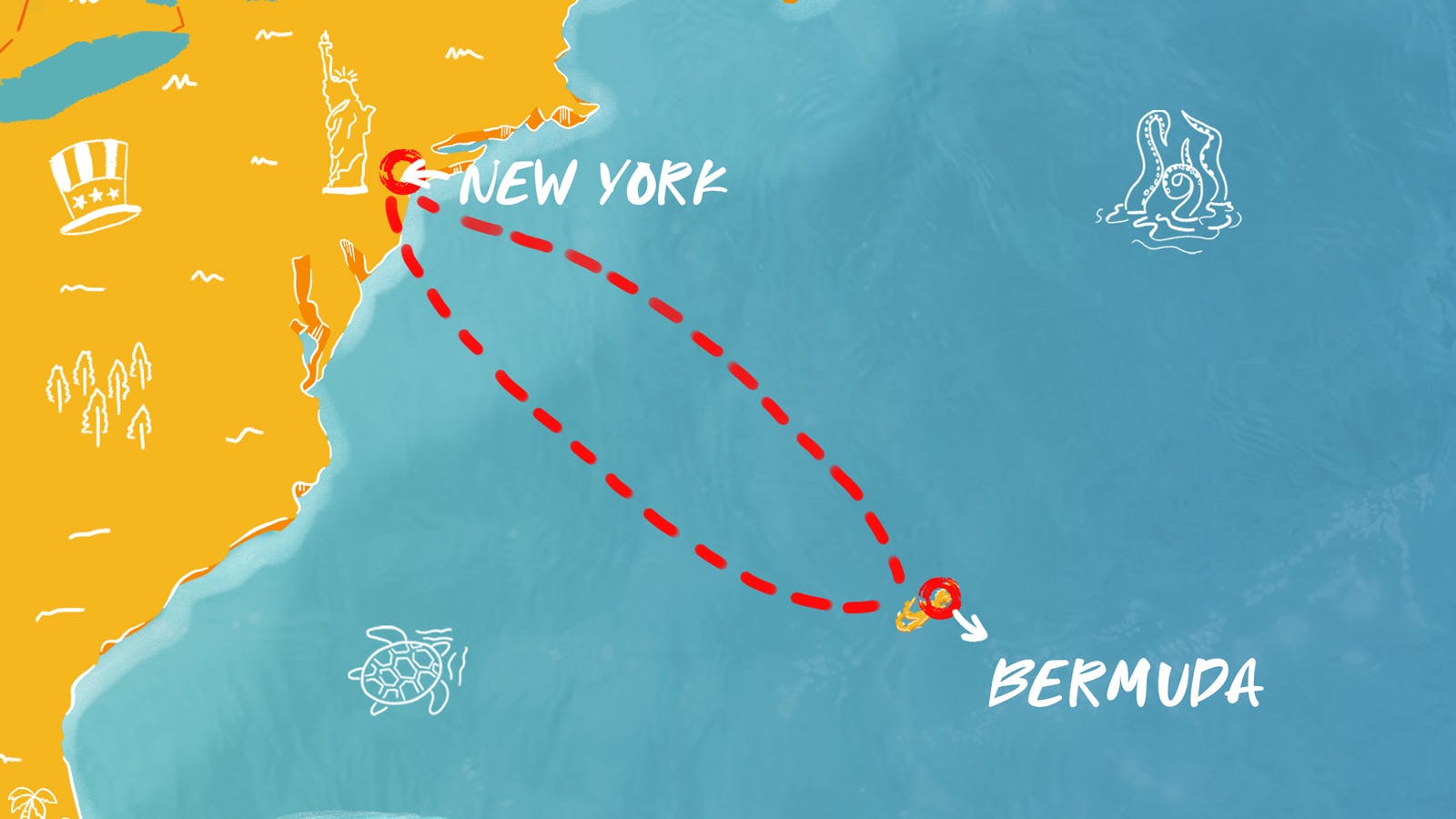
Many travelers choose to sail from the Manhattan Cruise Terminal or the Brooklyn Cruise Terminal. Unlike a short flight, a cruise allows for a more leisurely pace. Most vessels covering the stretch from New York to Bermuda take approximately 36 to 48 hours to complete the transit, depending on the speed of the ship and maritime traffic.
The Benefit of Time at Sea
Traveling by ship turns the journey into a destination in itself. As the ship moves away from the Hudson River and the iconic Statue of Liberty, the transition from a temperate, fast-paced environment to the subtropical climate of the islands is gradual. For many, this two-day transit is an essential component of the relaxation process, allowing them to decompress before arriving at landmarks like Horseshoe Bay Beach or exploring the historic Royal Naval Dockyard.
Optimizing Your Travel Strategy
Choosing between flying and sailing depends largely on the nature of your trip. Both modes of transport offer distinct advantages that align with different travel styles.
The Case for Flying
If your primary objective is to maximize time on the sand, flying is the superior option. With a sub-three-hour travel time, you can depart New York in the morning and be enjoying a glass of ginger beer at a local cafe in St. Georges by the early afternoon. This is ideal for:
- Weekend Getaways: Maximizing a short window of time.
- Business Trips: Ensuring timely arrival for meetings or conferences.
- Family Travel: Reducing the time spent in transit with children.
The Case for Sailing
Opting for a cruise is best suited for those who value the journey as much as the destination. It is the perfect choice for:
- Extended Vacations: When you have a full week or more to enjoy the relaxation of the ocean.
- Romantic Escapes: Utilizing the onboard amenities while traversing the Atlantic.
- Sightseeing Enthusiasts: Those who want to view the Atlantic Ocean in all its majesty.
Seasonal Considerations for the Traveler
Distance remains fixed, but the accessibility of the destination changes with the seasons. Understanding how Bermuda operates throughout the year is vital for anyone traveling from New York.
High Season vs. Low Season
During the summer months, flight frequencies increase, and cruise ships arrive at King’s Wharf with higher regularity. This is when the weather is at its most consistent, and the waters around the Bermuda Triangle area are warmest.
In contrast, the “shoulder” and off-seasons—typically late autumn through early spring—offer a different experience. While the distance doesn’t change, the availability of direct flights can occasionally fluctuate. However, visiting during these times often results in fewer crowds at attractions like the Bermuda Aquarium Museum and Zoo and better rates on local accommodations.
Weather Impacts
Even though the distance is relatively short, it is important to remember that Bermuda is an island chain in the middle of the ocean. Marine weather patterns can occasionally affect both flight schedules and ship dockings. Monitoring the forecasts from the National Hurricane Center is standard practice for seasoned travelers heading south from New York during the late summer and early autumn.
Ultimately, whether you choose the efficiency of a jet or the luxury of a cruise, the distance between these two points is manageable, making the cultural and natural beauty of Bermuda an ideal extension of the New York lifestyle. By respecting the distance and preparing for the transit, you ensure that your arrival is as seamless as the turquoise waters that await you.
LifeOutOfTheBox is a participant in the Amazon Services LLC Associates Program, an affiliate advertising program designed to provide a means for sites to earn advertising fees by advertising and linking to Amazon.com. Amazon, the Amazon logo, AmazonSupply, and the AmazonSupply logo are trademarks of Amazon.com, Inc. or its affiliates. As an Amazon Associate we earn affiliate commissions from qualifying purchases.