
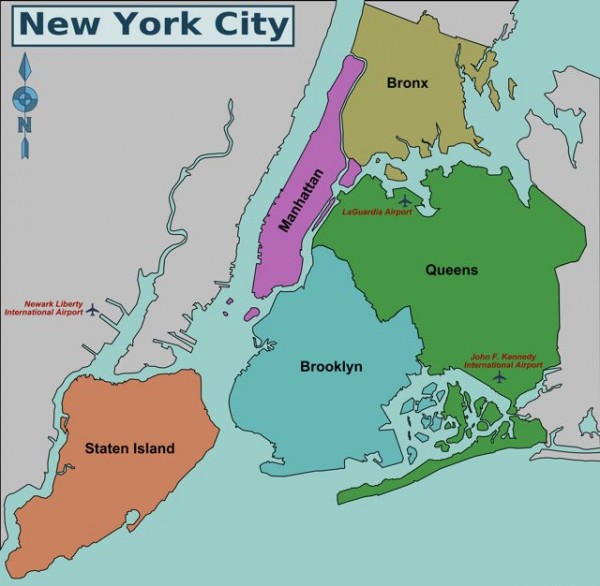
To understand the geographical relationship between Brooklyn and New York, one must first clarify a common misconception: Brooklyn is not a separate city from New York; it is one of the five boroughs that constitute New York City. When visitors ask how far Brooklyn is from New York, they are usually inquiring about the distance from the bustling heart of Manhattan to the diverse neighborhoods of this vibrant borough.
The distance is remarkably short, yet the transition between the two locales can feel like moving between two different worlds. Depending on your starting point in Manhattan and your final destination in Brooklyn, you are typically looking at a journey of anywhere from three to ten miles. While the proximity is close in terms of pure mileage, the travel experience is defined by the infrastructure connecting the two, including historic bridges, underwater tunnels, and an extensive subway network.
Navigating the Physical and Cultural Divide
The physical distance between Manhattan and Brooklyn is bridged by some of the most iconic pieces of engineering in the United States. Understanding these connections is essential for any traveler looking to maximize their time in the region.
The Iconic Spans
The Brooklyn Bridge stands as the most famous connection between these two boroughs. Stretching roughly 1.1 miles over the East River, this historic landmark provides a pedestrian-friendly path that offers unparalleled views of the New York City skyline. Walking across the bridge is a quintessential New York experience that perfectly illustrates just how accessible these two areas are to one another.
Nearby, the Manhattan Bridge and the Williamsburg Bridge serve as critical arteries for vehicular traffic and subway lines. These structures emphasize the seamless integration of Brooklyn into the broader metropolitan tapestry. Whether you are driving or taking the train, crossing these bridges takes mere minutes under normal traffic conditions, further highlighting the close proximity of the boroughs.
Subway Connectivity
The MTA subway system is the lifeblood of New York City and serves as the most efficient way to traverse the distance. A subway ride from Lower Manhattan to Downtown Brooklyn can take as little as 10 to 15 minutes. This accessibility makes Brooklyn an ideal base for travelers who want to enjoy the energy of Manhattan while retreating to a more residential or artistic atmosphere at the end of the day.

Geographical Distinctions and Neighborhood Variety
While the distance between Manhattan and Brooklyn is negligible, the internal geography of Brooklyn itself is vast. The borough covers approximately 71 square miles, meaning the distance from one end of Brooklyn to the other can be significantly further than the distance to Manhattan.
Inner-Borough Travel
For visitors heading to Williamsburg, the journey is very short, often just one stop away from Manhattan on the L train. However, reaching the southern tip of the borough, such as Coney Island, requires a longer commute—often 45 to 60 minutes by subway. Understanding that Brooklyn is a large, diverse collection of neighborhoods is key to planning an effective itinerary.
Why Distance Matters Less Than Access
In a city like New York, “distance” is measured in time rather than miles. Traffic in New York City can turn a three-mile trip into a hour-long ordeal if traveling by taxi or ride-share during peak hours. Conversely, public transit often maintains a consistent speed, making the distance between boroughs feel shorter for those who utilize the train. Travelers are often surprised to find that staying in Brooklyn allows them to reach major cultural hubs like Museum of Modern Art or Central Park faster than they could from certain parts of The Bronx or Queens.
Practical Tips for Moving Between Boroughs
When planning your trip to New York City, consider how the proximity of these boroughs impacts your daily logistics.
Planning Your Route
- Prioritize Rail: Whenever possible, use the subway. It is immune to the traffic congestion that frequently plagues the Brooklyn Bridge and Manhattan Bridge.
- Consider Ferries: The NYC Ferry provides a scenic and reliable way to travel between Brooklyn and various points in Manhattan. Traveling by water not only avoids road traffic but also offers some of the most beautiful perspectives of the Statue of Liberty and the Financial District.
- Map Your Neighborhoods: Before booking your accommodation, identify exactly which neighborhood you are targeting. Being near a major transit hub like Atlantic Terminal will make your travel distance to Manhattan feel much shorter.

The Benefit of Proximity
The fact that Brooklyn is so close to the center of New York means you do not have to choose between the two. You can spend your morning exploring the high-fashion boutiques of SoHo and your afternoon relaxing in the greenery of Prospect Park. This fluidity is one of the greatest assets of visiting New York City. You are never truly “far” from the action, regardless of which side of the East River you choose to rest your head at night.
Ultimately, the distance between Brooklyn and New York is a testament to the connectivity of the city. While each borough retains its own distinct identity—Manhattan with its soaring skyscrapers and Brooklyn with its historic brownstones and local creative spirit—they are inextricably linked. Whether you are walking across a historic span, riding the rails beneath the river, or enjoying the wind on a ferry, the distance between these two incredible destinations is always worth the journey. By understanding the layout and the transit options, you can navigate New York City like a local, ensuring that your travel time is minimized and your experience of this iconic region is maximized.
LifeOutOfTheBox is a participant in the Amazon Services LLC Associates Program, an affiliate advertising program designed to provide a means for sites to earn advertising fees by advertising and linking to Amazon.com. Amazon, the Amazon logo, AmazonSupply, and the AmazonSupply logo are trademarks of Amazon.com, Inc. or its affiliates. As an Amazon Associate we earn affiliate commissions from qualifying purchases.