
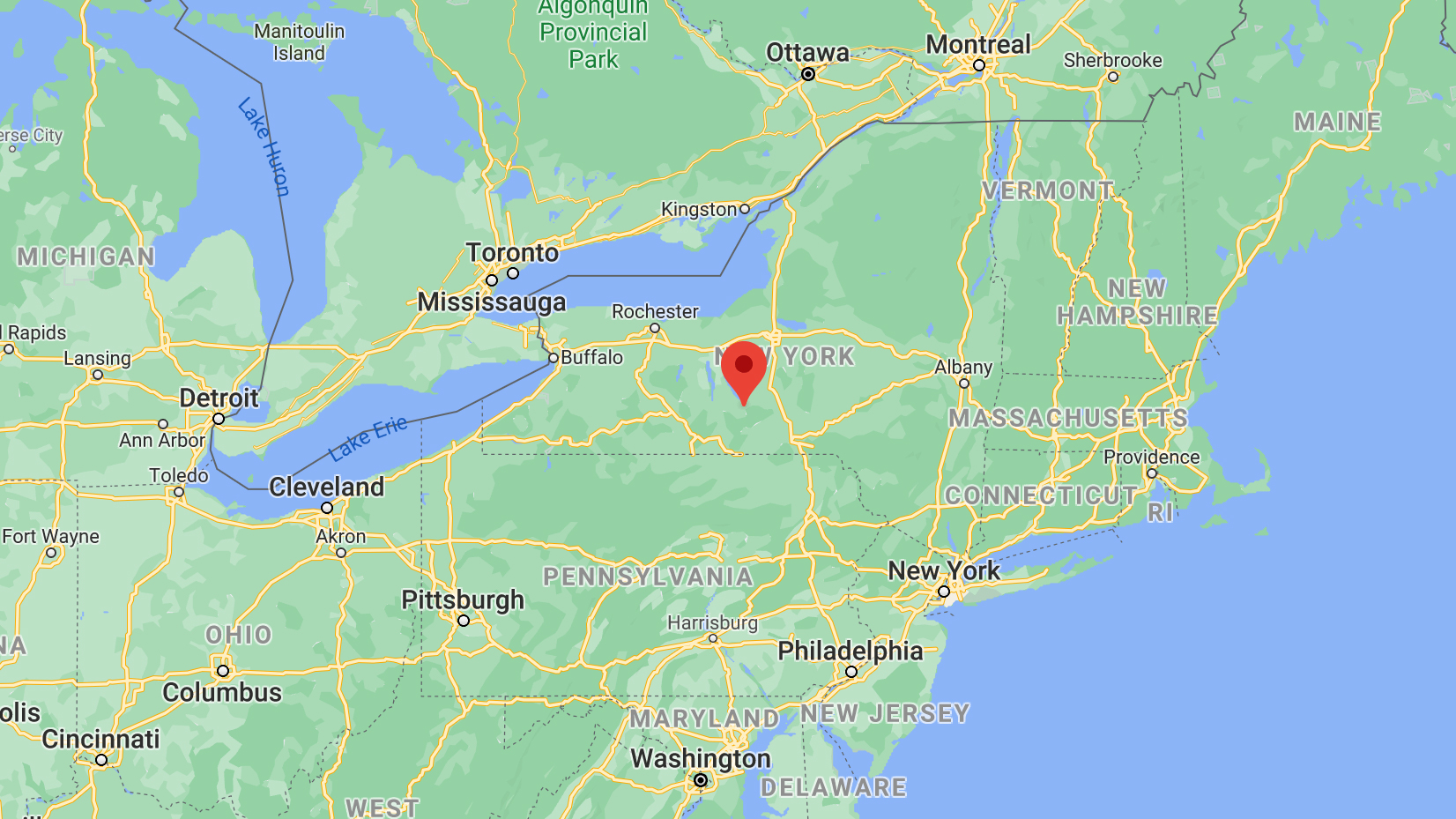
For those looking to trade the concrete canyons of New York City for the rolling hills and cascading waterfalls of the Finger Lakes, the journey to Ithaca is a quintessential upstate adventure. Nestled at the southern tip of Cayuga Lake, this vibrant college town offers a distinct contrast to the fast-paced energy of the five boroughs. Understanding the distance and the best ways to navigate the roughly 225-mile span between these two iconic locations is essential for any traveler planning an escape.
Calculating the Miles: Driving and Road Trip Logistics
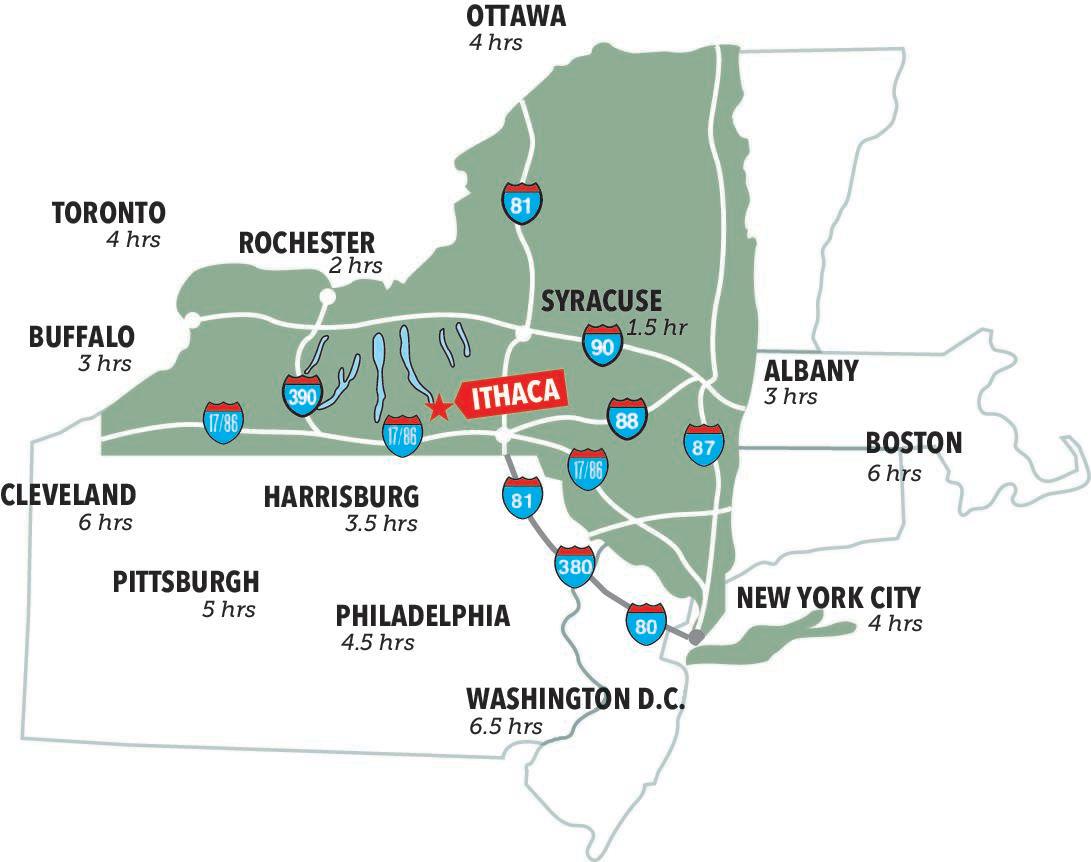
When planning a departure from Manhattan, the most common method of travel is by car. The distance from New York City to Ithaca generally spans between 220 and 235 miles, depending on your specific starting point and the route chosen. Under ideal traffic conditions, the drive takes approximately four to five hours, making it a manageable weekend getaway.
Primary Driving Routes
Most travelers opt for the route that takes them northwest through the heart of New York State. Typically, this involves heading out of the city via the George Washington Bridge and connecting to Interstate 80 before transitioning to Interstate 380 and eventually Interstate 81. This path offers a mix of urban sprawl transitioning into the scenic Appalachian terrain.
Navigating Traffic Patterns
While the mileage remains constant, time spent on the road can fluctuate wildly. Departing New York City on a Friday afternoon can easily turn a four-hour drive into a six-hour slog. It is highly recommended to time your departure either early in the morning or mid-week to avoid the heavy congestion exiting the city. Once you move past the outer suburbs and enter the more rural stretches of the Southern Tier, the pace relaxes, and the drive becomes significantly more enjoyable.
Alternative Transportation Methods: Bus and Air Travel
For those who prefer not to drive, there are several public transportation options available. While Ithaca is not directly served by a major passenger rail line like Amtrak, the bus network provides a reliable connection.
Bus Travel
Companies like OurBus and Greyhound offer direct routes from New York City to the campus of Cornell University or the downtown Ithaca bus terminal. The journey typically takes between five and six hours. These buses are a popular choice for students and weekend visitors alike, providing a stress-free environment where passengers can read, work, or enjoy the view of the Catskill Mountains as they pass by.
Flying into the Region
The Ithaca Tompkins International Airport serves the area, though direct flights from New York City are limited and often require a layover in hubs like Philadelphia or Washington D.C.. For many travelers, the time spent in security lines and awaiting connections often exceeds the time it would take to drive, making flying a less efficient option for this specific regional trip.
Seasonal Considerations and Road Conditions
The experience of traveling from New York City to Ithaca changes dramatically with the seasons. Understanding how the weather impacts your journey is a critical component of travel planning.
Winter Travel in Upstate New York
Winter in Central New York brings significant snowfall and ice. If you are driving between December and March, it is imperative to check weather reports for Binghamton and Cortland, as these high-elevation areas are prone to sudden storms. Ensure your vehicle is equipped with appropriate tires and that you have ample windshield wiper fluid. While the highways are generally well-maintained by state crews, winter driving requires extra caution and patience.
Summer and Fall Foliage
Conversely, the late spring and summer months provide the most idyllic driving conditions. As you approach the Finger Lakes region, the rolling landscape becomes lush and green. Autumn is perhaps the most popular time to make the trip, as the foliage along the Delaware River creates a stunning natural canopy. Travelers often plan their arrival to coincide with peak leaf-peeping season, which usually occurs in mid-October.
Why the Distance is Worth the Journey
The physical distance between New York City and Ithaca is bridged by more than just asphalt; it is a transition from a world of steel and glass to a landscape defined by deep gorges and waterfalls.
Natural Attractions Upon Arrival
Once you arrive, the time spent traveling becomes a distant memory when you visit sites like Taughannock Falls State Park, which features a drop even taller than Niagara Falls. Buttermilk Falls State Park and Robert H. Treman State Park also offer extensive hiking trails that satisfy the hunger for nature that many urbanites crave.
The College Town Atmosphere
The presence of Cornell University and Ithaca College ensures that the town maintains a high level of cultural activity. Whether you are exploring the Herbert F. Johnson Museum of Art or dining on The Commons, the intellectual and creative atmosphere provides a refreshing change of pace from the Brooklyn or Queens lifestyle.

Planning Your Departure
When calculating how far Ithaca is from New York City, consider your desire for spontaneity versus structure. If you leave the city with a sense of adventure, the drive serves as a scenic tour of the Empire State. Pack your bags, prepare your playlist, and embrace the four-to-five-hour transition from the energetic streets of Midtown to the serene, natural beauty of the Finger Lakes. The distance is short enough to remain accessible, yet long enough to feel like a true departure from the daily grind.
LifeOutOfTheBox is a participant in the Amazon Services LLC Associates Program, an affiliate advertising program designed to provide a means for sites to earn advertising fees by advertising and linking to Amazon.com. Amazon, the Amazon logo, AmazonSupply, and the AmazonSupply logo are trademarks of Amazon.com, Inc. or its affiliates. As an Amazon Associate we earn affiliate commissions from qualifying purchases.