
Navigating the transit landscape of New York City can be a daunting task for even the most seasoned traveler. When you touch down at LaGuardia Airport, the immediate priority is bridging the gap to the vibrant heart of the city: Times Square. While the distance is relatively short—spanning roughly 9 to 11 miles depending on the route—the actual travel time is notoriously dependent on the unpredictable flow of local traffic. Understanding the logistics between these two points is essential for a stress-free entry into the urban sprawl of Manhattan.
Understanding the Logistics and Travel Distance
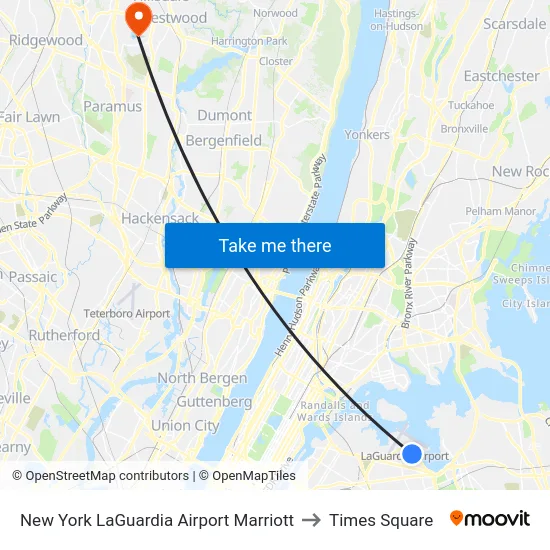
In terms of pure physical distance, the journey from LaGuardia Airport to Times Square is surprisingly compact. Located in the northern portion of the Queens borough, the airport sits right on the edge of the East River.
Factors Influencing Your Travel Time
While the distance is approximately 10 miles, do not mistake this for a quick 15-minute commute. New York City traffic is a living, breathing entity that fluctuates wildly based on the time of day.
- Rush Hour Realities: Between 7:00 AM and 10:00 AM, and again from 4:00 PM to 7:00 PM, the Grand Central Parkway and the Triborough Bridge often become bottlenecks. During these peak periods, a trip that might take 25 minutes at night can easily stretch to over an hour.
- The Weather Factor: Precipitation in New York almost invariably leads to delays. When the roads are slick, speeds decrease and accidents occur, causing ripple effects that can significantly delay your arrival at your hotel.
- Event-Based Congestion: Concerts at Madison Square Garden or special events in the Theater District can cause gridlock that ripples back toward the bridges and tunnels entering Manhattan.
Transportation Methods to Reach the City Center
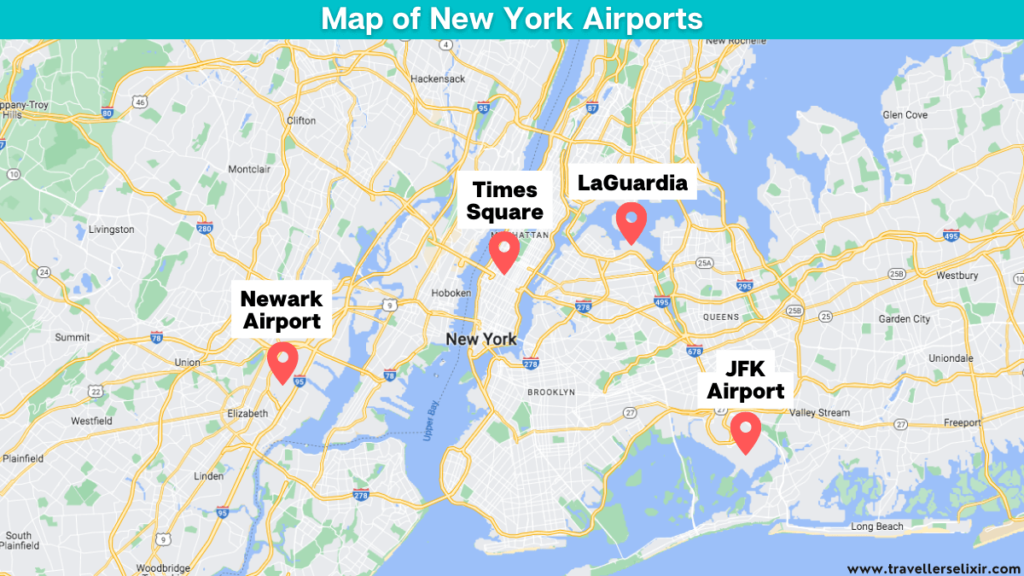
Because LaGuardia Airport lacks a direct rail connection to the subway system—unlike JFK International Airport or Newark Liberty International Airport—travelers must rely on a combination of buses, shuttles, or private vehicles. Choosing the right mode of transport is critical to your overall travel experience.
Ride-Sharing and Taxis
For those who prioritize convenience and have a reasonable budget, hailing a yellow cab or using a ride-sharing application remains the most popular choice.
- The Taxi Experience: Taxis provide a door-to-door service that minimizes the need to navigate luggage through public transit stairs. Always follow the signs to the official taxi stand.
- Ride-Share Apps: Platforms like Uber or Lyft operate at designated pickup zones. While they offer the advantage of fixed pricing at the time of booking, be aware that surge pricing during peak hours can make this an expensive endeavor compared to public transit.
Public Transit and the MTA
For the budget-conscious traveler, the MTA offers a reliable, albeit slower, way to reach Midtown Manhattan.
- The M60-SBS Bus: This is the most straightforward public transit option. The Select Bus Service runs directly from the airport terminals to the 125th Street station in Harlem, where you can transfer to the subway lines that travel south into Times Square.
- The Q70-SBS LaGuardia Link: This bus connects all terminals to the 74th Street-Broadway subway station in Jackson Heights. From there, you can catch the 7 train, which runs directly into the heart of Times Square. This is often the most cost-effective way to navigate the distance without getting stuck in highway gridlock.
Planning Your Arrival Strategy
Successful navigation of the distance between LaGuardia Airport and Times Square comes down to effective planning. Assessing your arrival window and your tolerance for transit complexity is key.
Assessing Your Travel Constraints
If you are traveling with heavy luggage or children, the slight premium paid for a private car service is often well worth the investment. You avoid the stress of transferring buses and navigating turnstiles. Conversely, if you are a solo traveler aiming to avoid the high cost of a taxi, the MTA provides a quintessential New York experience that puts you directly in the flow of the city from the moment you leave the terminal.
Strategic Tips for a Smoother Journey
- Monitor Real-Time Traffic: Use navigation apps like Google Maps or Waze even before you leave the airport. Sometimes, taking an alternative route through Brooklyn or utilizing specific side streets can save valuable time if the main parkways are at a standstill.
- Off-Peak Advantage: If your flight schedule is flexible, try to avoid arriving during traditional rush hours. The distance feels much shorter when you are cruising at highway speeds rather than idling in traffic within sight of the Manhattan Bridge.
- Pre-Booked Shuttles: Services like NYC Airporter offer a middle ground between a private taxi and public transit. While these shared vans take longer than a taxi, they provide a guaranteed seat and luggage storage, which can be a significant benefit when you are exhausted from a long flight.
Final Reflections on the Journey
The transition from LaGuardia Airport to Times Square serves as an introduction to the intensity of New York City. While the roughly 10-mile journey is brief in geography, it is long in character and complexity. Whether you choose the efficiency of the 7 train or the comfort of a private vehicle, your transit choices will color your first impressions of the city. As you emerge from the Lincoln Tunnel or pull into Midtown Manhattan, the bright lights of Times Square will signal that you have arrived. By understanding the distances and the potential for transit delays, you ensure that your trip to this iconic destination begins with a sense of control rather than confusion. New York is a sprawling, fast-paced environment, but with a little logistical foresight, the distance from the airport to the center of the world feels manageable, setting the stage for an unforgettable visit to one of the most exciting cities on the planet.
LifeOutOfTheBox is a participant in the Amazon Services LLC Associates Program, an affiliate advertising program designed to provide a means for sites to earn advertising fees by advertising and linking to Amazon.com. Amazon, the Amazon logo, AmazonSupply, and the AmazonSupply logo are trademarks of Amazon.com, Inc. or its affiliates. As an Amazon Associate we earn affiliate commissions from qualifying purchases.