
Traveling between the mid-Atlantic states and the bustling metropolis of the Northeast is a journey defined by convenience, efficiency, and a transition between contrasting landscapes. Whether you are planning a weekend getaway or a long-distance commute, understanding the logistics of traveling from Maryland to New York is essential for a seamless experience. The distance varies depending on your specific point of departure and arrival, but generally, the corridor connects some of the most vibrant urban centers in the United States.
Navigating the Corridor: Distance and Driving Logistics
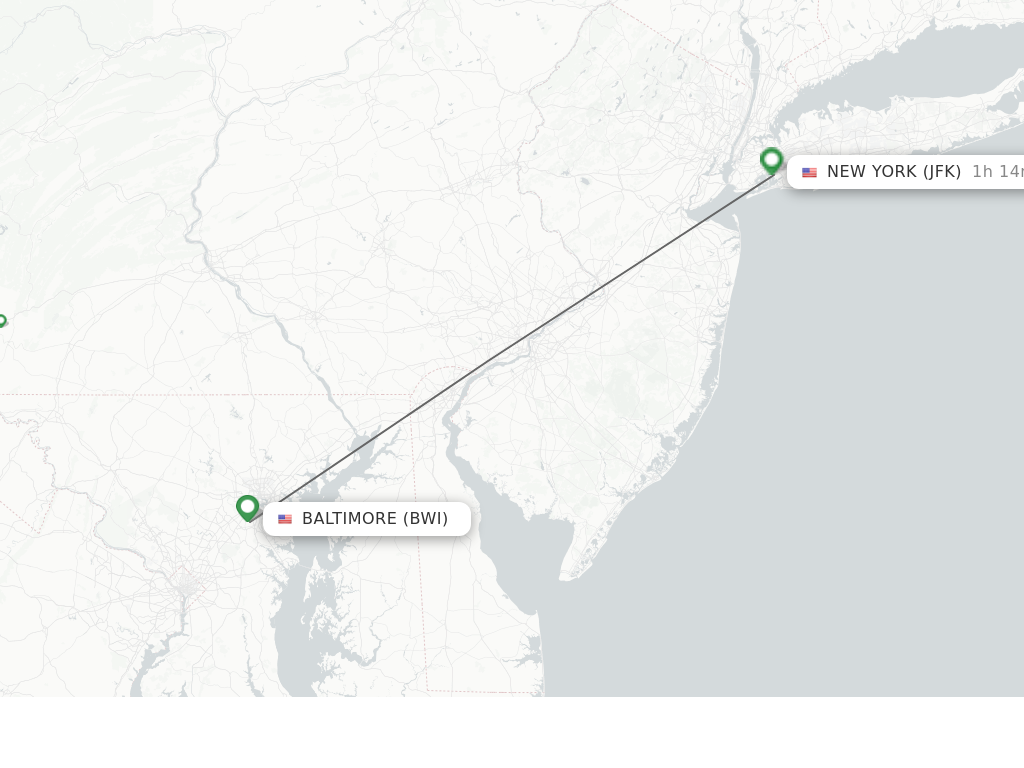
When driving from the heart of Maryland, such as Baltimore, to New York City, you are covering roughly 190 to 200 miles. Under ideal conditions, this trip typically takes between three and four hours. However, the density of traffic along the I-95 corridor is a significant factor that can easily extend your travel time.
The Route Through Major States
The journey requires navigating through several states, each offering its own pace and infrastructure. After leaving Maryland, you will travel through Delaware, where the Delaware Memorial Bridge serves as a critical junction. From there, you move into New Jersey, a state that acts as the primary gateway to New York.
The New Jersey Turnpike is the most direct artery for reaching New York City. Travelers should be prepared for various tolls along this route, including the George Washington Bridge or the Lincoln Tunnel, which funnel vehicles into the heart of Manhattan.
Traffic Considerations and Peak Times
The I-95 corridor is one of the most heavily trafficked routes in the United States. Avoiding peak rush hours—typically between 7:00 AM and 9:30 AM and 4:00 PM and 6:30 PM—is vital to keeping your travel time within the expected three-to-four-hour window. On weekends and holidays, traffic near major bottlenecks, such as the Susquehanna River Bridge or the entrance to the Holland Tunnel, can add significant delays.
Rail Travel: The Efficient Alternative
For many travelers, driving is not the preferred method of transit. The rail network, specifically the Amtrak line, provides a highly efficient alternative that bypasses the stress of highway traffic. Taking the train from Baltimore Penn Station to Moynihan Train Hall in New York City is a journey that highlights the connectivity of the Northeast Corridor.
Benefits of the Northeast Corridor
Traveling by rail allows you to enjoy the changing scenery of the eastern seaboard without the fatigue of navigating metropolitan gridlock. The Acela high-speed service can complete the trip in under three hours, making it competitive with flying when you factor in time spent in security lines and boarding. Furthermore, Amtrak stations are strategically located in city centers, meaning you arrive exactly where the action is, rather than having to coordinate airport shuttles or expensive taxi rides from outlying areas.

Amenities and Productivity
Unlike driving, rail travel provides the freedom to work, read, or simply relax. Most long-distance Amtrak trains are equipped with Wi-Fi, comfortable seating, and cafe cars. For business travelers moving between Maryland and New York, the train functions as a mobile office, offering a productive environment that is simply impossible to replicate behind the wheel.
Air Travel: Speed vs. Logistics
Flying from Maryland to New York is a viable option, though it requires careful consideration of the total travel time. Major hubs like Baltimore/Washington International Thurgood Marshall Airport offer frequent flights to LaGuardia Airport, John F. Kennedy International Airport, and Newark Liberty International Airport.
The Reality of Flight Times
While the actual time in the air is often less than an hour, the “door-to-door” travel time is frequently longer than taking the train. When you account for arriving at the airport two hours early, navigating through security, boarding, and then commuting from the destination airport into the city center, air travel loses its efficiency advantage for a trip of this relatively short distance.
Choosing the Right Destination Airport
If you do choose to fly, your choice of airport is critical. LaGuardia Airport is the most convenient for accessing Manhattan, but it is often prone to weather-related delays. Newark Liberty International Airport, while located in New Jersey, offers excellent rail connectivity directly to Penn Station in New York City, often making it a smoother choice for travelers coming from Maryland.
Regional Comparisons and Travel Tips
Understanding the cultural and geographical nuance of the Maryland to New York route helps in planning your trip. The transition from the Chesapeake Bay region into the skyscrapers of the Northeast is a classic American travel experience.
Preparing for Your Departure
Before embarking on your journey, check for construction updates on the I-95. Regional transit authorities frequently update travelers on roadwork in Maryland and New Jersey. If traveling by rail, booking tickets at least two weeks in advance typically guarantees a lower fare and better seat selection.

Making the Most of the Experience
If you are driving, consider building in time for a stop in Philadelphia. Located roughly halfway between Baltimore and New York City, the city offers a wealth of historical sites and dining options that make for a perfect lunch break. This turns a standard commute into a mini-tour of the Northeast.
Ultimately, the best way to travel from Maryland to New York depends on your priorities. For those who value the convenience of their own vehicle, the drive is a straightforward, albeit traffic-prone, route. For those who prioritize time management and comfort, the Amtrak line remains the superior choice for travel through this busy, historic, and vibrant corridor of the United States. Whether you are heading to New York for business, tourism, or a visit to family, careful planning will ensure that the journey is just as smooth as the destination is rewarding.
LifeOutOfTheBox is a participant in the Amazon Services LLC Associates Program, an affiliate advertising program designed to provide a means for sites to earn advertising fees by advertising and linking to Amazon.com. Amazon, the Amazon logo, AmazonSupply, and the AmazonSupply logo are trademarks of Amazon.com, Inc. or its affiliates. As an Amazon Associate we earn affiliate commissions from qualifying purchases.