
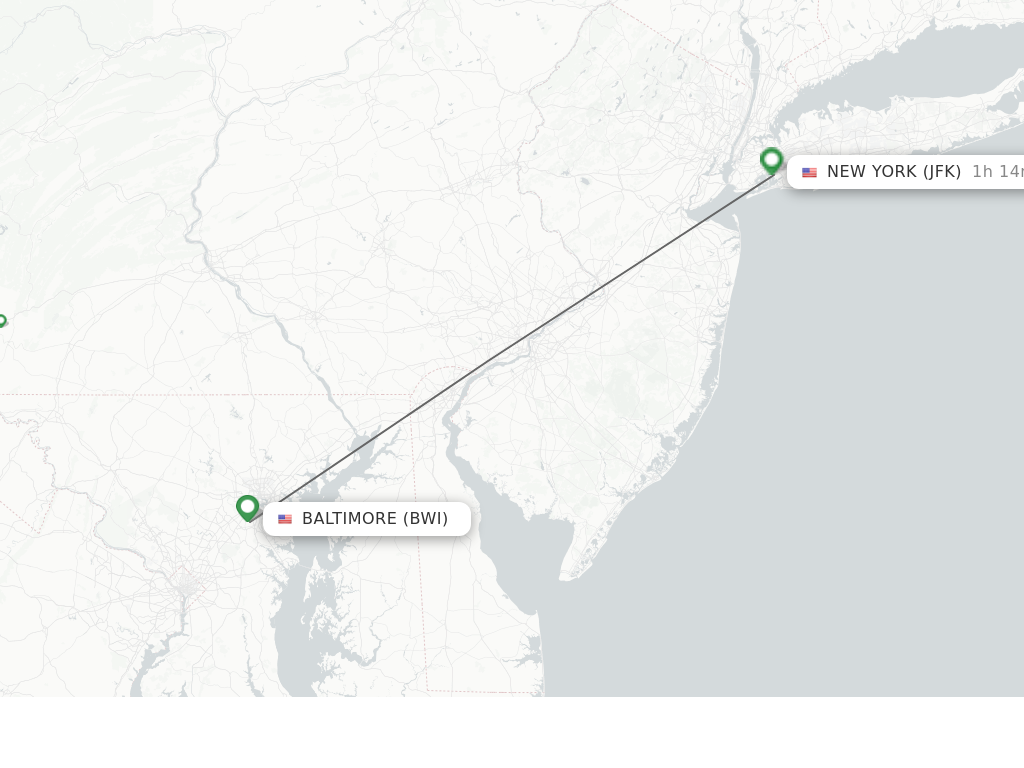
Traveling between the bustling urban landscape of New York City and the historic charm of Baltimore is a journey that showcases the heart of the United States East Coast corridor. Whether you are planning a business trip, a weekend getaway, or a cross-country adventure, understanding the logistics of this route is essential for a seamless travel experience. Spanning roughly 190 miles, the distance between these two iconic cities is bridged by various transportation methods, each offering a unique perspective of the landscape.
Navigating the Northeast Corridor
The distance between New York City and Baltimore is relatively short by American standards, yet the travel time can vary significantly based on your chosen mode of transport and the ever-changing conditions of the Northeast corridor.
By Train: The Efficiency of Rail
For many travelers, the most efficient way to make the trip is via Amtrak. The high-speed rail service connects Penn Station in New York City to Penn Station in Baltimore in approximately two to three hours. This mode of travel allows passengers to bypass the unpredictable nature of traffic while enjoying amenities such as Wi-Fi, spacious seating, and the ability to work or relax while gliding through states like New Jersey, Pennsylvania, and Delaware.
By Car: Flexibility and Freedom
Driving offers the ultimate flexibility, allowing travelers to set their own pace and make stops along the way. If you choose to drive, you will primarily traverse Interstate 95, the primary arterial highway that connects major metropolitan hubs in the region. Depending on traffic congestion—which is particularly heavy near Philadelphia and Washington D.C.—the drive usually takes between three and four hours. It is important to account for tolls, as this stretch of the highway includes several major toll bridges and tunnels.
Strategic Stops Along the Way
One of the greatest benefits of traveling between these two cities by car is the opportunity to explore historic and culturally significant towns situated between them.
Exploring Philadelphia
Roughly at the midpoint of your journey, Philadelphia serves as an ideal location for a mid-trip break. Known as the “Birthplace of America,” this city provides an opportunity to stretch your legs while visiting landmarks like Independence Hall or grabbing a world-famous cheesesteak. The break not only provides a refreshing pause but also helps mitigate the mental fatigue of long-distance driving.

The Delaware Experience
If you take a slight detour or traverse the state of Delaware, you can enjoy the coastal scenic routes that deviate from the standard interstate highway. Stopping in Wilmington or exploring the quiet charm of the Brandywine Valley offers a stark contrast to the intense urban density of New York City. These areas are rich in history and offer a more relaxed atmosphere for those who have the luxury of time.
Factors Affecting Travel Duration
Understanding the variables that influence your travel time is crucial for planning your itinerary effectively. While the geographic distance remains static, the temporal distance is highly fluid.
Peak Traffic Hours
The corridor between New York City and Baltimore is one of the most densely populated regions in the United States. Commuter traffic during the morning (7:00 AM – 9:00 AM) and evening (4:00 PM – 7:00 PM) peaks can significantly extend driving time. Travelers are often advised to avoid departing during these windows to ensure a smoother, more predictable trip.
Weather and Seasonal Considerations
Weather plays a vital role, particularly during the winter months. Snowstorms in the Northeast can cause major delays on both highways and rail lines. Conversely, summer weekends often witness high traffic volume as people travel toward the Jersey Shore or the Chesapeake Bay. Checking local traffic reports and weather forecasts before your departure is an essential step in any travel planning process.
Comparing Transportation Methods
When deciding how to bridge the gap between New York City and Baltimore, consider your specific priorities—whether they are cost, convenience, or comfort.
Cost-Benefit Analysis
- Train travel is generally more expensive than taking a bus but offers significantly higher levels of comfort and speed.
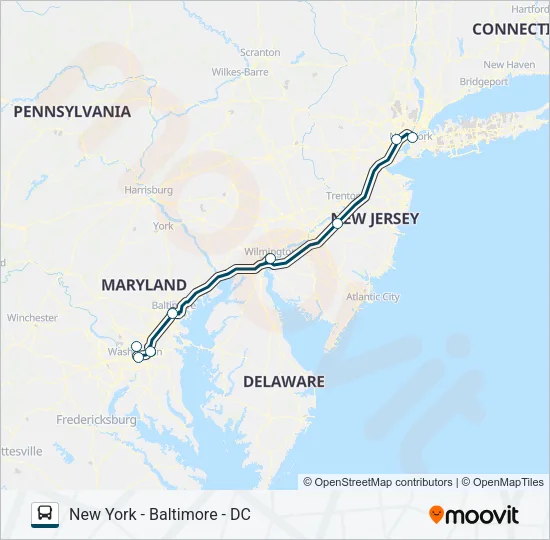
- Bus travel remains the most budget-friendly option, with various companies providing frequent departures throughout the day. While slower than the train, buses are a reliable choice for budget-conscious travelers.
- Driving costs are tied to vehicle fuel efficiency, maintenance, and the relatively high cost of tolls. However, for families or groups, the collective cost of driving can be lower than purchasing individual train tickets.
Comfort and Productivity
If your trip is business-oriented, the train is the superior choice. The ability to utilize laptop space and reliable internet makes it essentially a mobile office. If your priority is seeing the regional landscape or having personal space, a personal vehicle remains the gold standard.
Conclusion: Planning Your Journey
Ultimately, whether you find yourself traveling for the vibrant energy of Times Square or the maritime heritage found at the Inner Harbor, the distance between these two cities is easily managed. By choosing the mode of transportation that best aligns with your needs and accounting for the realities of Northeast traffic, you can ensure that your transition between New York City and Baltimore is as efficient as it is enjoyable. Proper planning—from booking tickets in advance to checking real-time traffic updates—is the key to turning a simple commute into a smooth, stress-free travel experience. Regardless of the route or method chosen, you will find yourself moving seamlessly through one of the most dynamic and historically rich regions in the world.
LifeOutOfTheBox is a participant in the Amazon Services LLC Associates Program, an affiliate advertising program designed to provide a means for sites to earn advertising fees by advertising and linking to Amazon.com. Amazon, the Amazon logo, AmazonSupply, and the AmazonSupply logo are trademarks of Amazon.com, Inc. or its affiliates. As an Amazon Associate we earn affiliate commissions from qualifying purchases.