
For many international travelers, the journey across the Atlantic represents the ultimate bridge between the Old World and the New. Whether you are a business professional hopping between financial hubs or a vacationer eager to experience the distinct charms of two of the world’s most iconic metropolises, understanding the geography and logistics of this route is essential. While the physical distance remains constant, the “distance” in terms of time and experience can shift dramatically based on your mode of transit and your approach to the journey.
The Geographical Reality: Crossing the Atlantic
When we ask how far New York City is from London, the answer depends heavily on whether you are measuring by air or by sea. In terms of “great-circle” distance—the shortest path between two points on the surface of a sphere—the cities are approximately 3,450 miles (roughly 5,570 kilometers) apart.
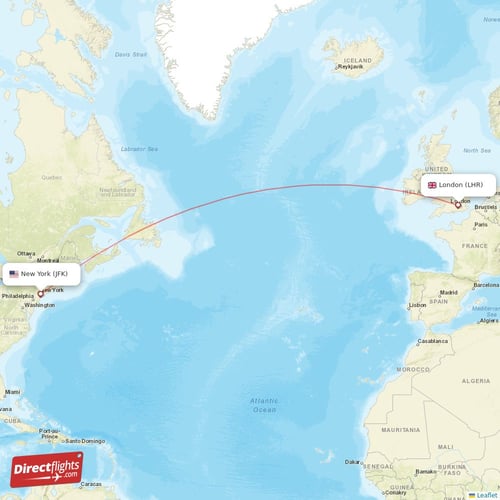
The Great Circle Route
While it might look like a straight line on a flat map, the actual flight path taken by aircraft often curves toward the north. This is because the Earth is curved; flying over regions near Greenland or Canada often cuts significant time off the journey compared to flying a strictly east-west trajectory. This path is standard for commercial airlines, ensuring fuel efficiency and optimal wind conditions.
Navigating the Jet Stream
The time distance is rarely symmetrical. Because of the prevailing winds known as the jet stream, flying eastbound from North America to Europe is generally faster than the return leg. A flight from John F. Kennedy International Airport to Heathrow Airport might take about six and a half to seven hours, whereas the return trip against the headwind can take an additional hour or more.
Travel Logistics: Connecting Two Global Icons
The connection between United States and the United Kingdom is one of the most heavily trafficked air corridors in the world. This high demand has transformed the travel experience, offering travelers a spectrum of choices ranging from budget-conscious economy tickets to ultra-luxurious private suites.
The Evolution of Air Travel
Decades ago, crossing the ocean was an arduous endeavor. Today, the route is serviced by a fleet of modern, long-haul aircraft such as the Boeing 787 Dreamliner and the Airbus A350. These planes have pressurized cabins and sophisticated air filtration systems that significantly reduce the physical toll of jet lag. The frequency of flights—with dozens of departures daily—means that travelers have near-total flexibility in timing their departures to align with their work schedules or personal itineraries.
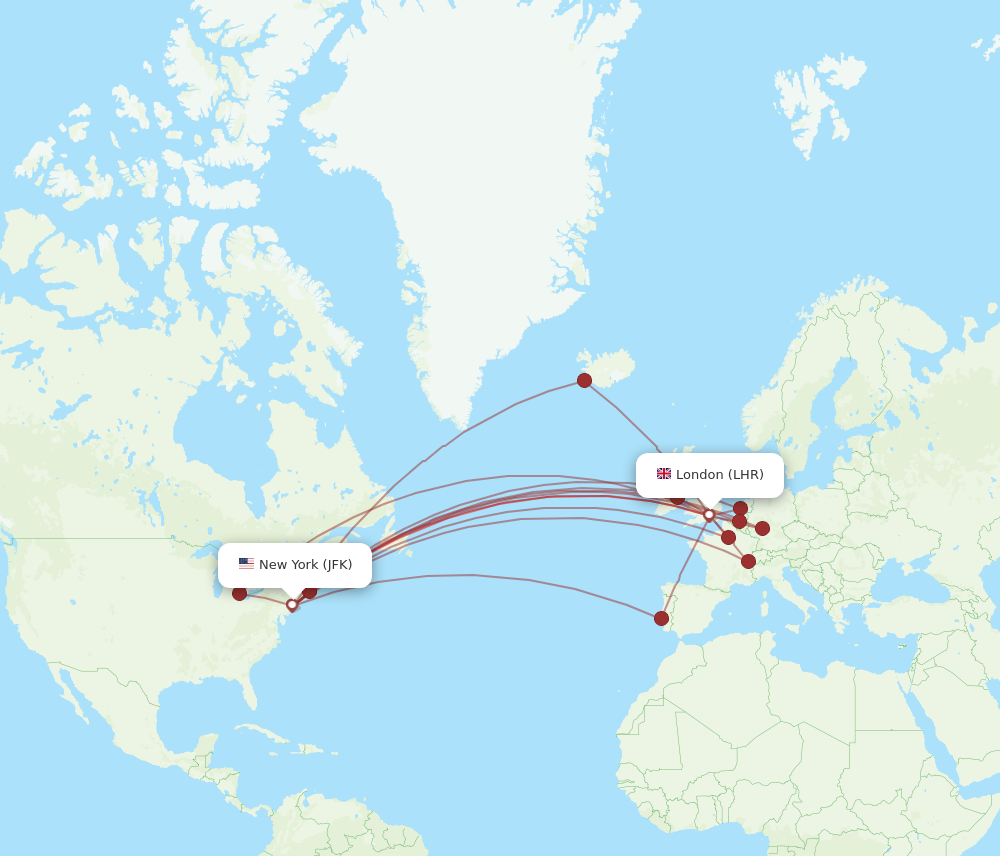
Airport Considerations
Choosing your arrival and departure points can also impact your perceived distance. While Heathrow Airport is the primary gateway to London, some travelers prefer Gatwick Airport for its alternative transit links to the city center. Similarly, in the New York City area, Newark Liberty International Airport provides a convenient entry point for those heading to Manhattan or the surrounding suburbs, sometimes offering different flight paths that can shave minutes off the total travel time.
The Experience of the Journey: Beyond the Miles
Beyond the raw numerical distance, the “distance” between New York City and London is bridged by the transition between two distinct cultural atmospheres. Understanding this helps travelers maximize their journey.
Managing Time Zones
The five-hour time difference between the United States and the United Kingdom is the most immediate hurdle for the traveler. To mitigate the effects of jet lag, experts recommend adjusting your sleep schedule a few days before departure. Eastbound flights are often overnight, meaning you will arrive in London in the early morning. Strategic use of the airplane’s entertainment systems, combined with light meals and hydration, can make the difference between starting your trip refreshed or spending your first day in a fog.
The Role of Business and Leisure
For many, the physical distance is irrelevant because the cities feel so deeply connected. The synergy between the Wall Street district and the City of London ensures that the journey is a routine occurrence for millions. Whether you are traveling for a board meeting in Canary Wharf or a Broadway show near Times Square, the flight duration allows for a surprising amount of productivity—or, alternatively, a chance to fully disconnect before diving into a new environment.
Seasonal Fluctuations and Route Planning
It is important to remember that while the distance between New York City and London is a constant, the environment surrounding that journey can change.
Winter Weather and Delays
During the winter months, trans-Atlantic flights are subject to the whims of severe weather systems. Snowstorms in New York or heavy fog in England can cause delays that effectively increase the time it takes to travel between the two cities. Planning a buffer into your itinerary is a hallmark of the experienced traveler. Always check local forecasts for both cities, not just for the weather in the air, but for the congestion and potential delays on the ground.

Choosing Your Cabin Class
How you choose to bridge this distance dictates the quality of your experience.
- Economy Class: Offers the most affordable way to close the gap, though it requires more preparation to ensure comfort over the seven-hour duration.
- Premium Economy: Provides extra legroom and better catering, which can be a significant benefit for those who find the tight quarters of standard seating difficult.
- Business and First Class: Transforms the commute into an extension of your hotel stay. With lie-flat seats and high-end dining, you can arrive in London or New York ready to hit the ground running, effectively making the long journey feel much shorter.
Ultimately, while New York City and London are separated by thousands of miles of ocean, they remain closer than ever in the modern era. The journey between these two giants of Western Culture is not merely a flight; it is a transition between two ways of life, made simple by advancements in aviation and the continued importance of the North Atlantic corridor. By understanding the distances, both physical and temporal, you can plan your trip with greater confidence and comfort.
LifeOutOfTheBox is a participant in the Amazon Services LLC Associates Program, an affiliate advertising program designed to provide a means for sites to earn advertising fees by advertising and linking to Amazon.com. Amazon, the Amazon logo, AmazonSupply, and the AmazonSupply logo are trademarks of Amazon.com, Inc. or its affiliates. As an Amazon Associate we earn affiliate commissions from qualifying purchases.