
For travelers planning a journey across the eastern United States, understanding the spatial relationship between New York and Tennessee is essential for effective trip planning. Spanning a significant portion of the Appalachian corridor, the trek from the bustling urban canyons of the Big Apple to the rolling hills of the Volunteer State offers a fascinating transition through diverse American landscapes. Whether you are seeking the neon lights of Broadway or the rhythmic melodies of Nashville, knowing how to navigate the distance is the first step toward a seamless travel experience.
Measuring the Distance: Miles and Modes of Travel
The distance between New York City and Tennessee varies significantly depending on your specific destination within the state. Because Tennessee is a long, landlocked state, the distance from New York to the border in the northeast corner is considerably shorter than the trip to the western edge near the Mississippi River.
The Road Trip Perspective
For those choosing to drive, the journey typically spans between 700 and 950 miles. A direct route from New York City to Nashville usually involves navigating Interstate 81 and Interstate 40. Under optimal traffic conditions, this drive takes approximately 13 to 15 hours. Travelers often break up this journey by stopping in cities like Philadelphia, Baltimore, or Washington D.C. to maximize comfort and sight-seeing opportunities.
Air Travel Efficiency
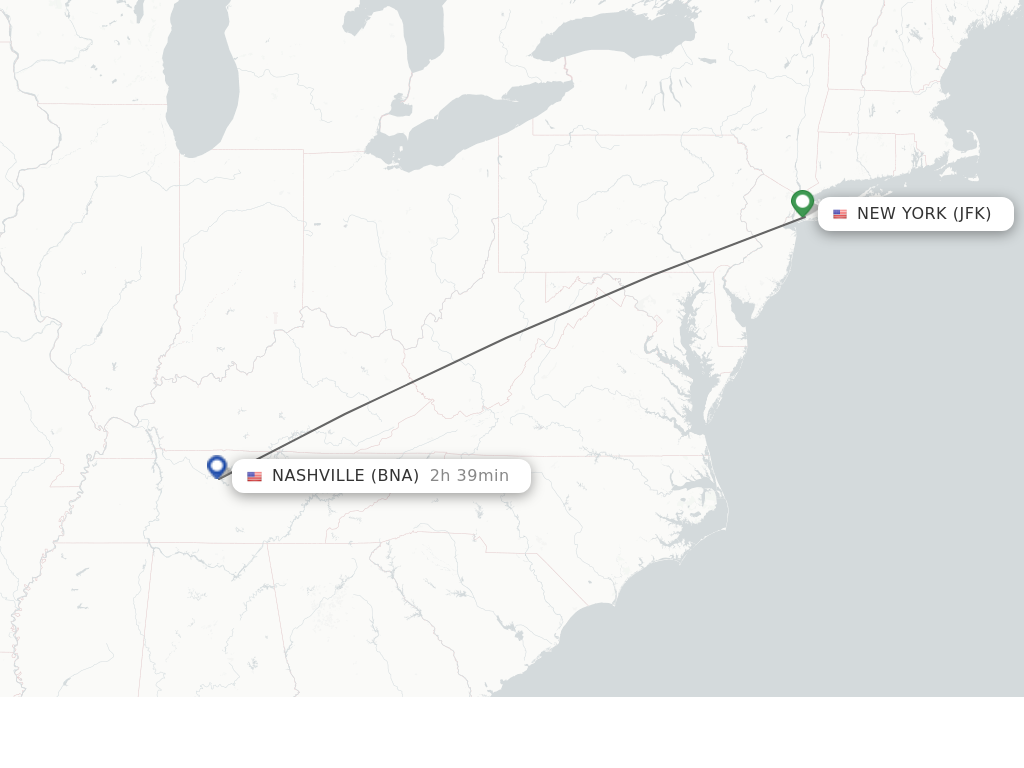
Flying is naturally the most efficient method for covering this distance. Commercial flights from John F. Kennedy International Airport or LaGuardia Airport to Nashville International Airport typically take about two to two-and-a-half hours of flight time. When factoring in airport security and transit, the total travel time is significantly lower than driving, making it the preferred choice for those on short vacations or business trips.
Navigating the Appalachian Route
Driving from the northeast toward the south allows travelers to witness the changing topography of the United States. As you depart New York, you transition from the dense metropolitan environment into the picturesque valleys of Pennsylvania and Virginia.
Scenic Stops Along the Way
Many travelers use the distance as an excuse to explore cultural hubs. Shenandoah National Park offers a breath of fresh air for those weary of highway driving, providing access to the Blue Ridge Mountains. This region provides a stark, beautiful contrast to the glass and steel architecture found in Manhattan.
Infrastructure and Considerations
The route through West Virginia and Kentucky is well-maintained but can be susceptible to seasonal weather changes. During winter months, heavy snow in the higher elevations of the Appalachian Mountains can slow travel times significantly. Always check weather forecasts for the mountainous stretches of the journey, particularly when traversing through Knoxville, which serves as a gateway to the Great Smoky Mountains.

Planning Your Destination: Nashville vs. Memphis
While New York serves as a singular, centralized hub, Tennessee offers distinct experiences depending on which city you choose to visit. The travel time will vary depending on your final destination within the state.
The Music City Experience
Nashville, located in the middle of the state, is the most common destination for travelers coming from the northeast. Known for the Grand Ole Opry and the legendary nightlife of Broadway, it is a shorter drive than heading further west to the Mississippi River.
The Blues and Soul of the West
Memphis, situated on the western border, adds approximately two to three hours of additional driving time beyond Nashville. Home to Graceland and Beale Street, this city offers a deep dive into American musical history that justifies the extra miles on the road. When booking your trip, ensure you account for this internal distance within Tennessee, as the state itself spans over 400 miles from its eastern to western borders.
Travel Logistics and Preparation
Whether you are embarking on a cross-country move or a quick weekend getaway, the transit between New York and Tennessee requires careful logistical planning.
Choosing the Best Time to Travel
Travel patterns often peak during the summer months and major holidays. Flights are generally more expensive during these times, and highway traffic can become congested near major metropolitan centers like Philadelphia and Washington D.C.. For a more relaxed drive, consider traveling during the shoulder seasons—spring or fall—when the foliage along the Appalachian Mountains is spectacular and road conditions are generally stable.
Packing for Diverse Climates
The climate in New York can differ drastically from the humid, subtropical climate of Tennessee, especially during the summer. If you are driving, ensure your vehicle is prepared for long-distance travel, including tire pressure checks and engine fluid maintenance. If you are flying, consider that you are moving from a high-density urban environment to one that often involves more outdoor exploration and walking, particularly in areas like Chattanooga or the national parks.

Final Travel Tips
- Book Accommodations Early: If your stopover involves popular cities like Charlottesville or Asheville, ensure you have reservations secured.
- Utilize Toll Services: If driving, ensure you have an E-ZPass to navigate the numerous toll roads throughout the Northeast efficiently.
- Stay Flexible: Because the route passes through varied geographical zones, be prepared for shifting weather patterns. Having an alternative route or a flexible arrival schedule can prevent unnecessary stress during your transit.
In summary, the journey from New York to Tennessee is more than just a measurement of miles; it is a transition from the fast-paced energy of the Northeast to the warm, rhythmic culture of the South. By understanding the distances, choosing the right mode of transportation, and planning for the unique characteristics of the route, travelers can transform a long-distance commute into a memorable part of their overall adventure. Whether you choose the speed of an airplane or the scenic route via the interstate, your arrival in the Volunteer State promises to be a rewarding end to your journey.
LifeOutOfTheBox is a participant in the Amazon Services LLC Associates Program, an affiliate advertising program designed to provide a means for sites to earn advertising fees by advertising and linking to Amazon.com. Amazon, the Amazon logo, AmazonSupply, and the AmazonSupply logo are trademarks of Amazon.com, Inc. or its affiliates. As an Amazon Associate we earn affiliate commissions from qualifying purchases.