
Spanning the vast expanse of the United States, the journey between Seattle and New York represents a transcontinental trek that captures the diverse spirit of North America. Whether you are mapping out a cross-country adventure, planning a business itinerary, or simply curious about the logistics of moving between the Pacific Northwest and the East Coast, understanding the distance is the first step in planning your voyage.
The Great Continental Divide: Calculating the Distance
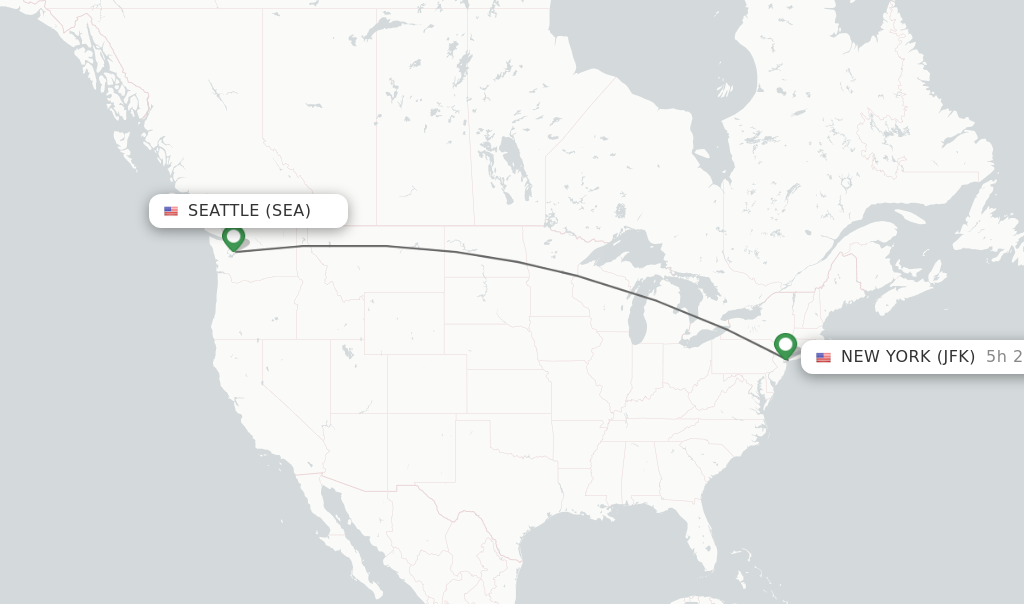
The distance between these two iconic cities depends heavily on the method of travel. Geographically, the “as-the-crow-flies” distance—the straight-line great-circle route—is approximately 2,400 miles (3,860 kilometers). However, terrestrial travel rarely follows such a direct path.

Air Travel Logistics
For most travelers, the most efficient way to cross this distance is via air. A direct flight between Seattle-Tacoma International Airport and John F. Kennedy International Airport typically covers roughly 2,420 miles. Depending on wind currents, specifically the strong west-to-east jet stream, flight times vary significantly. Eastbound flights from the Emerald City to the Big Apple often clock in around 5 hours and 15 minutes, while the return flight against the wind can take upwards of 6 hours.
Driving the Transcontinental Route
For the road-tripper, the distance is significantly longer. Utilizing the most direct interstate routes—primarily Interstate 90—drivers can expect to cover approximately 2,850 to 2,900 miles. This journey takes you through the heart of the Rocky Mountains, across the vast plains of the Midwest, and eventually into the bustling urban corridors of the Northeast. Without significant stops, this drive constitutes roughly 42 to 45 hours of pure driving time, though most prudent travelers plan for at least five to seven days to navigate the terrain safely and enjoy the scenery.
Planning Your Cross-Country Itinerary
Traveling from the Pacific Ocean to the Atlantic Ocean is a journey that changes with every state line. Each region offers distinct landscapes, cultural shifts, and logistical considerations that make this trek one of the most rewarding experiences in modern travel.
Navigating the Northern Corridor
Taking Interstate 90 is the most popular choice for a direct route. Starting in Washington, you will traverse the high-desert landscapes of Eastern Washington before climbing into Idaho and Montana. This route provides breathtaking access to natural wonders like Yellowstone National Park.
As you progress through South Dakota, Minnesota, and Wisconsin, the scenery shifts from mountain peaks to rolling farmlands and eventually the Great Lakes region near Chicago. The final stretch takes you through the industrial hubs of Ohio and the scenic hills of Pennsylvania, leading you finally into New York State and toward the lights of the city.
Travel Tips for Long-Distance Transitions
- Time Zone Management: You will cross three time zones moving from the Pacific to the Eastern time zone. This three-hour difference can impact everything from dinner reservations to business meetings, so it is essential to synchronize your internal clock accordingly.
- Climate Variations: The weather in Seattle is notoriously temperate and often rainy, while New York experiences distinct seasonal extremes, from humid, sweltering summers to freezing, snowy winters. Always pack layers to handle the transition between these two microclimates.
- Vehicle Preparation: If driving, ensure your vehicle is serviced for high-altitude passes and varying weather conditions. Long-haul travel through remote areas requires checking tire pressure, coolant levels, and emergency supplies.
The Cultural Contrast: Two Coasts, Two Worlds
While the physical distance is vast, the cultural distance between these two hubs is perhaps even more pronounced. Understanding the “vibe” of each location helps in setting expectations for your arrival.
The Pacific Northwest Experience
Seattle is defined by its intimate relationship with the surrounding nature. Between the waters of Puget Sound and the looming presence of Mount Rainier, the city thrives on a laid-back, tech-forward, and environmentally conscious identity. The pace is generally steadier, and the social atmosphere emphasizes coffee culture, outdoor recreation, and a quiet, creative ambition.
The Energy of the Atlantic Seaboard
Conversely, New York operates on a frequency of constant motion. It is a city where every square inch is packed with history, commerce, and art. From the neon lights of Times Square to the cultural heritage of the Metropolitan Museum of Art, the city demands your full attention. The shift from the relative calm of the West Coast to the high-intensity environment of the East is a hallmark of this transcontinental journey.
Transportation Alternatives
Beyond personal vehicles and commercial airlines, there are other ways to bridge the distance, each offering a different perspective on the American landscape.
Rail Journeys
For those who prefer a slower, more nostalgic pace, Amtrak offers routes that span the continent. While there is no single direct train from Seattle to New York, travelers often combine the Empire Builder route—which runs from the Pacific Northwest to Chicago—with the Lake Shore Limited into New York City. This journey can take three to four days, providing unparalleled views of regions inaccessible by car or plane.

Bus and Coach Travel
While less common for the entire duration of a transcontinental trip, bus travel remains a viable, budget-conscious option. Providers like Greyhound connect various regional hubs across the country. It is a rugged way to travel, but it provides a unique immersion into the small towns and transit centers that often go unnoticed when flying at 30,000 feet.
Ultimately, whether you are traversing the distance for a career change, a vacation, or a personal quest, the trip between Seattle and New York is more than just a measurement of miles. It is a transition through the heart of a diverse nation, offering a front-row seat to the changing topography and culture that define North America.
LifeOutOfTheBox is a participant in the Amazon Services LLC Associates Program, an affiliate advertising program designed to provide a means for sites to earn advertising fees by advertising and linking to Amazon.com. Amazon, the Amazon logo, AmazonSupply, and the AmazonSupply logo are trademarks of Amazon.com, Inc. or its affiliates. As an Amazon Associate we earn affiliate commissions from qualifying purchases.