
For the modern globetrotter, the journey from the bustling streets of New York to the serene, golden landscapes of Thailand represents one of the most iconic long-haul experiences in travel. Spanning roughly 8,500 to 9,000 miles—depending on the specific flight path and the destination city within the kingdom—this trek is more than just a calculation of distance; it is a transition between two entirely distinct hemispheres of culture, pace, and geography.
Understanding the Geographical and Temporal Gap
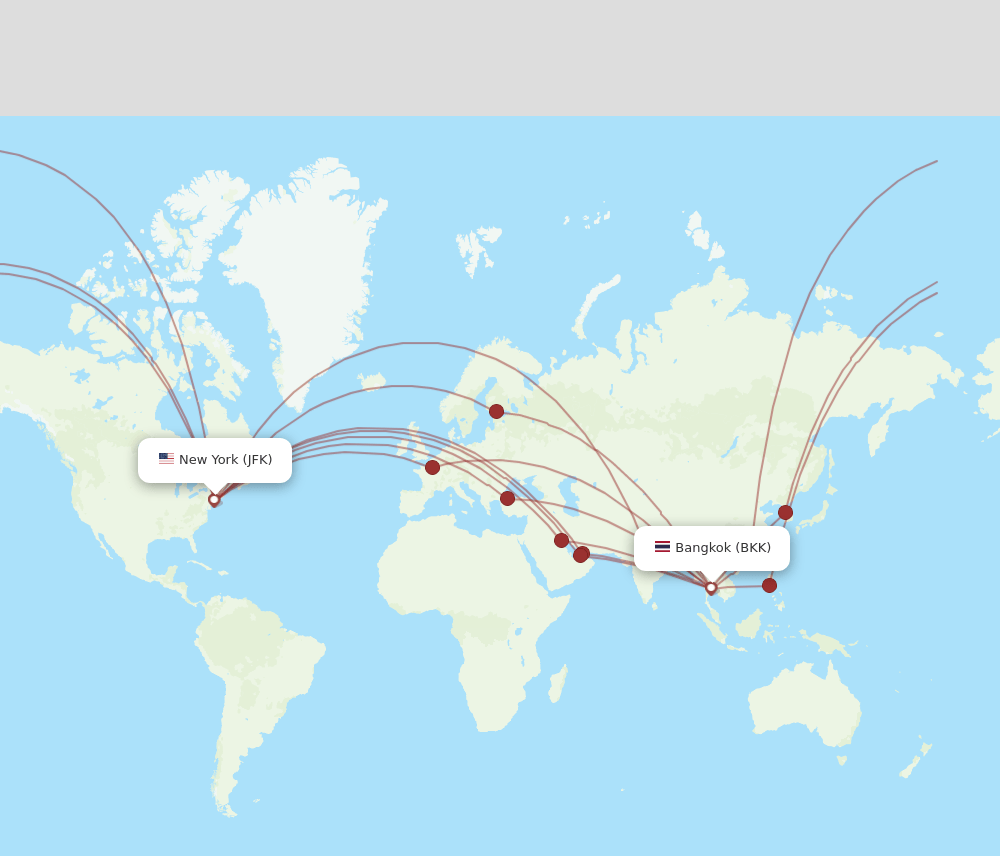
The sheer distance between the United States and Southeast Asia is dictated by the curvature of the Earth. When you fly from John F. Kennedy International Airport to Suvarnabhumi Airport in Bangkok, you are crossing nearly half the globe.
The Time Difference
Beyond the physical miles, travelers must navigate a significant temporal shift. Typically, the time difference between New York City and Thailand ranges from 11 to 12 hours, depending on the implementation of Daylight Saving Time in the states. This shift is a critical component of the “distance” experienced by the body, as the circadian rhythm is heavily disrupted during the transit.
Flight Duration Realities
Because there are currently few, if any, direct commercial flights covering this massive distance without a stopover or a long-haul connection, the total travel time usually ranges from 19 to 24 hours. The duration is dictated by the efficiency of the connection in hubs such as Tokyo, Seoul, Doha, or Dubai. Understanding that “how far” means more than just mileage—it means hours spent in the air—is the first step in planning a successful trip.
Choosing Your Route: The Logistics of Crossing the Globe
The distance between these two points is often bridged through strategic routing. Travelers typically choose between trans-Pacific and trans-Atlantic routes, each offering a different perspective on the journey.
The Trans-Pacific Route
Opting for a route that stops in East Asia is a popular choice for those flying out of JFK. Connecting through airports like Narita International Airport or Incheon International Airport effectively breaks the journey into two manageable segments. These flights utilize the Great Circle route, which, while appearing curved on a flat map, provides the shortest path across the northern Pacific.
The Middle Eastern Corridor
Alternatively, many travelers prefer the Middle Eastern route, stopping in hubs like Hamad International Airport or Dubai International Airport. While this path may seem less intuitive geographically, the luxury and efficiency of airlines operating these routes often make the perceived distance feel shorter. The split—usually a 12-hour flight followed by a 6 to 8-hour flight—provides a necessary window to stretch and refresh before the final descent into the Indochina Peninsula.

Preparing for the Long Haul
When you are traveling thousands of miles away from home, preparation is the difference between arriving exhausted and arriving ready to explore the Grand Palace. Managing the physical distance requires a focus on comfort and wellness.
Strategy for Jet Lag
Crossing twelve time zones is a formidable challenge for the human biological clock. To mitigate the effects of the distance:
- Gradual Adjustment: Begin shifting your sleep schedule by an hour or two a few days before departure.
- Hydration: The air in a pressurized cabin is notoriously dry. Consuming water throughout the flight is vital to combat the fatigue associated with such long-distance travel.
- Strategic Light Exposure: Upon arrival in Bangkok, seek out natural sunlight. Exposing yourself to the local light cycle is the most effective way to reset your internal rhythm.
Essential Travel Comforts
Since you will be confined to a cabin for nearly a full day, investing in high-quality noise-canceling headphones, a supportive neck pillow, and compression socks can make the 8,000-mile gap feel significantly smaller. Modern airlines often provide amenities, but your personal comfort kit is your best defense against the rigors of long-distance aviation.
Why the Distance Is Worth It
The long journey from New York serves as a psychological barrier that makes the arrival in Thailand feel like a true escape. As you move from the concrete canyons of the Big Apple to the tropical humidity and vibrant street life of Southeast Asia, the distance traveled is rewarded by the sensory shift.
From Urban Pulse to Tropical Serenity
The contrast is startling. You leave the fast-paced, high-stress environment of Manhattan and arrive in a kingdom where the pace is often dictated by the sun and the flow of the Chao Phraya River. The distance is a cleansing mechanism; by the time you land, the stresses of the Western world feel truly far away.
Cultural Immersion
Whether you are headed to the northern highlands of Chiang Mai or the pristine islands of Phuket, the distance ensures that you are fully removed from your daily routine. This physical displacement is a catalyst for the transformative power of travel. You are not just changing your longitude and latitude; you are expanding your worldview by traversing a distance that separates different philosophies of life.

Final Thoughts on the Journey
Ultimately, how far Thailand is from New York is a matter of perspective. In terms of mileage, it is a vast expanse that requires dedication and planning to cross. In terms of experience, however, the distance is a necessary threshold that separates the familiar from the exotic.
By understanding the flight logistics, managing your body’s response to the time change, and respecting the scope of the journey, you turn a long transit into the beginning of your adventure. Whether you are seeking the culinary delights of Street Food or the architectural splendor of ancient Buddhist Temples, the rewards waiting at the end of the trip far outweigh the effort of the journey. Once you step off that plane, the thousands of miles behind you vanish, leaving only the immediate joy of exploring one of the most beautiful countries in the Pacific Rim. Enjoy the journey—it is the first chapter of your story in the Land of Smiles.
LifeOutOfTheBox is a participant in the Amazon Services LLC Associates Program, an affiliate advertising program designed to provide a means for sites to earn advertising fees by advertising and linking to Amazon.com. Amazon, the Amazon logo, AmazonSupply, and the AmazonSupply logo are trademarks of Amazon.com, Inc. or its affiliates. As an Amazon Associate we earn affiliate commissions from qualifying purchases.