
Traveling across the vast expanse of the United States is a quintessential adventure that highlights the sheer scale and diversity of the North American continent. For those planning a journey from the Lone Star State to the Empire State, understanding the distance is the first step in crafting an unforgettable itinerary. Whether you are driving, flying, or traversing the rails, the trek from Texas to New York is a substantial commitment that transitions you from the sprawling landscapes of the American South and Midwest into the dense, electric atmosphere of the East Coast.

Geographical Distances and Travel Modes
The physical distance between [Texas] and [New York] varies significantly depending on your specific departure and arrival points. If you are measuring the straight-line distance (as the crow flies) from Austin, the capital of [Texas], to New York City, you are looking at approximately 1,500 miles. However, road travel significantly increases this number.
The Reality of Road Travel
Driving from Dallas to [New York City] typically covers a distance of about 1,550 to 1,600 miles. Depending on traffic, route choices, and your driving pace, this journey often requires 24 to 28 hours of pure driving time. Most travelers divide this trip over three or four days to maintain safety and enjoy the changing scenery. Taking the northern route through Tennessee, Kentucky, and Pennsylvania offers a blend of mountain vistas and urban gateways, while a more southerly path might take you through Louisiana, Alabama, and Georgia before turning north.
Air Travel Efficiency
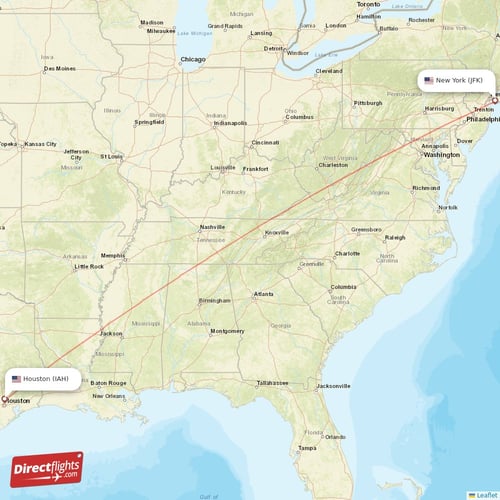
For those prioritizing speed, flying is the most practical choice. A non-stop flight from George Bush Intercontinental Airport in Houston to John F. Kennedy International Airport in [New York City] generally takes between 3.5 and 4 hours. When you factor in airport arrival, security protocols, and ground transit at both ends, the total travel day is roughly seven to eight hours. This is the preferred method for business travelers and vacationers looking to maximize their time in the city.
Designing the Ultimate Cross-Country Road Trip
Turning the distance between [Texas] and [New York] into a vacation experience allows you to see a cross-section of the country that few people truly appreciate. Instead of viewing the mileage as a burden, consider it a curated tour of American history and geography.
The Central Corridor Route
If you opt to drive, the path through the heart of the country is particularly rewarding. Starting in the Hill Country of [Texas], you move into the rolling hills of the Ozarks. Stopping in cities like Nashville allows you to immerse yourself in the culture of music and southern hospitality. As you progress into Virginia, the landscape shifts into the historic Blue Ridge Mountains, providing a dramatic backdrop for the final leg of your drive toward the mid-Atlantic region.

Essential Stops Along the Way
A trip of this magnitude requires strategic stops to keep morale high. Consider balancing long stretches of highway driving with shorter excursions to iconic landmarks. Whether it is visiting the Gateway Arch in St. Louis or exploring the historic sites in Washington D.C., incorporating these destinations makes the long miles between the two states feel like a cohesive expedition rather than a commute.
Navigating the Transition of Climates and Cultures
One of the most engaging aspects of traveling from [Texas] to [New York] is the rapid transition in climate and atmosphere. By the time you cross the border into [New York State], the humid, wide-open plains of the south have been replaced by the structured, vertical orientation of the northeast corridor.
Seasonal Considerations
It is vital to consider the time of year before embarking on this journey. [Texas] remains relatively warm for much of the year, but the northern states you must pass through to reach [New York]—such as Ohio or [Pennsylvania]—can experience harsh winter conditions. Heavy snowfall and icy roads can significantly delay travel, turning a two-day drive into a four-day ordeal. Conversely, autumn is arguably the best time to make this trip, as the foliage across the Appalachian range provides one of the most stunning scenic drives in the world.
Preparing for the Urban Environment
Once you reach [New York], the pace of life shifts dramatically. If you are accustomed to the sprawling, car-centric layout of cities like San Antonio, the density of the Five Boroughs can be a shock. Plan for the logistics of urban travel, including parking, as many visitors find that once they reach their destination in Manhattan or Brooklyn, they prefer to rely on public transportation rather than navigating the dense traffic of the Big Apple.
Maximizing Your Journey Logistics
Whether your trek is prompted by business, family, or the sheer desire to see the country, preparation is the key to minimizing stress over such a significant distance.
Planning Your Stops
Avoid “driving fatigue” by limiting your daily travel to approximately 8 to 10 hours. Use this time to research unique roadside attractions, such as local diners or small-town museums, which add character to your journey. Using travel apps to map out fuel stops and rest areas ensures you are never caught unprepared in more remote stretches of the journey.
Final Logistics for Success
- Vehicle Maintenance: If driving, ensure your tires, fluids, and brakes are checked, especially if you are traveling through the mountainous regions of the Appalachians.
- Airport Selection: If flying, compare Newark Liberty International Airport with LaGuardia Airport and [John F. Kennedy International Airport]. Depending on your final destination in [New York], one may be significantly more convenient for ground transportation than the others.
- Pack Wisely: Because the weather can shift from the heat of [Texas] to the potential chill of the Northeast overnight, layering your clothing is essential for comfort.
Traveling between these two iconic states is more than just measuring the distance on a map; it is about embracing the vastness of the journey. From the vibrant energy of the Southwest to the historic, bustling streets of the East Coast, every mile offers a new perspective on the diverse tapestry that makes up the [United States]. By planning your route, respecting the logistics of the trip, and staying mindful of the shifting geography, you can transform the distance into one of the most memorable travel experiences of your life.
LifeOutOfTheBox is a participant in the Amazon Services LLC Associates Program, an affiliate advertising program designed to provide a means for sites to earn advertising fees by advertising and linking to Amazon.com. Amazon, the Amazon logo, AmazonSupply, and the AmazonSupply logo are trademarks of Amazon.com, Inc. or its affiliates. As an Amazon Associate we earn affiliate commissions from qualifying purchases.